
Advantages of water resistant shutters for UK homes

Advantages of water resistant shutters
TL;DR:
- Water resistant shutters offer superior durability by resisting warping, mould, and discolouration in damp environments. PVC and polycarbonate options provide long-lasting performance, low maintenance, and enhanced thermal efficiency, making them ideal for humid rooms. Proper installation and selection tailored to your space ensure these shutters serve as a reliable, aesthetic, and energy-saving window treatment long-term.
Most homeowners assume that any shutter will do the job in a damp room. That assumption is costly. The advantages of water resistant shutters go far beyond simply tolerating a bit of steam. The right materials resist warping, mould, and discolouration for decades, while also improving your home’s thermal performance and maintaining their good looks with minimal effort. Whether you are renovating a bathroom, upgrading a conservatory, or preparing a property for sale, understanding what water resistant shutters genuinely offer will help you make a decision you will not regret.
Table of Contents
- Key takeaways
- What water resistant shutters are actually made of
- Practical benefits of water resistant shutters at home
- Water resistant shutters versus other window treatments
- Choosing, fitting, and caring for your shutters
- My honest view on water resistant shutters in 2026
- Transform your home with Shutterworld’s water resistant range
- FAQ
Key takeaways
| Point | Details |
|---|---|
| Material determines lifespan | PVC and polycarbonate shutters outlast timber in damp rooms, with service lives of 20 to 30 years. |
| Energy savings are significant | Water resistant plantation shutters can reduce heat gain by up to 75%, cutting energy bills meaningfully. |
| Maintenance is genuinely low | PVC and uPVC shutters need only occasional cleaning, with no repainting or anti-rust treatment required. |
| Aesthetics are not compromised | Modern water resistant shutters come in multiple finishes and bespoke styles to suit any interior. |
| Professional fitting matters | Correct installation is critical to maximising insulation, structural performance, and long-term durability. |
What water resistant shutters are actually made of
Not all water resistant shutters are created equal, and the material is the single biggest factor separating a shutter that lasts a decade from one that lasts three. Understanding what goes into these products will help you choose with confidence.
PVC is the most widely used material in water resistant shutters, and for good reason. PVC shutters do not rust or corrode when exposed to moisture, unlike metal alternatives. They retain their shape and function across seasons, meaning a bathroom shutter installed today will look and operate the same in winter as it does in a humid August. PVC is also straightforward to colour, so you can achieve crisp white, soft grey, or any bespoke painted finish without the paint flaking off as it would on untreated timber.
Polycarbonate is the high-performance choice for spaces demanding serious thermal and UV resistance. Polycarbonate shutters provide heat insulation up to 10 times better than ordinary glass, and they filter out 80% of ultraviolet rays. Their outdoor service life reaches up to 20 years, with indoor installations lasting up to 30 years, significantly outperforming most traditional materials.
Composite and uPVC materials sit between PVC and polycarbonate in terms of performance. uPVC resists moisture, rot, and corrosion, does not warp, and requires no painting. This makes it particularly well-suited to the variable, often wet British climate.
Here is a quick comparison of the main materials:
| Material | Moisture resistance | Typical lifespan | Maintenance level |
|---|---|---|---|
| PVC | Excellent | 15 to 25 years | Very low |
| Polycarbonate | Excellent | Up to 30 years (indoor) | Very low |
| uPVC | Excellent | 20 to 25 years | Very low |
| Untreated timber | Poor | 5 to 15 years | High |
| Metal (unpainted) | Moderate | 10 to 20 years | Moderate to high |
Key properties that distinguish water resistant materials:
- No warping when exposed to steam or humidity
- No rust, rot, or mould formation on the shutter body
- Colour stability without repainting over many years
- Structural rigidity maintained in extreme temperature fluctuations
Pro Tip: If you are fitting shutters in a bathroom, choose PVC or composite over any timber option, even if the timber is labelled moisture-resistant. Timber always expands and contracts; it is a matter of when, not if.
Practical benefits of water resistant shutters at home
The durability of water resistant shutters is the headline, but the day-to-day practical advantages are just as compelling. These shutters perform in environments where curtains go limp, blinds develop mildew, and untreated wood swells shut.
Mould and mildew resistance
Bathrooms and kitchens generate persistent moisture. Curtains absorb it. Fabric blinds trap it. Water resistant shutters simply shed it. Because PVC and composite surfaces are non-porous, mould has nowhere to establish itself. This is not just a cleanliness benefit. Mould in the home is linked to respiratory problems, so choosing a window covering that actively resists it has genuine health implications for your household.
Energy efficiency you can measure
One of the less obvious waterproof shutters benefits is their contribution to thermal insulation. Plantation shutters can reduce heat gain by up to 75% in humid environments. For a south-facing conservatory or a kitchen with large glazed panels, that figure translates directly into lower cooling costs in summer and reduced heat loss in winter. Explore how energy efficient shutters contribute to household savings across the year.
Effortless cleaning
PVC shutter maintenance is limited to cleaning with water or a mild detergent and a basic inspection of any mechanical fittings. There is no sanding, no repainting, no specialist treatment. For busy households or rental properties, this simplicity is a genuine advantage. A quick wipe with a damp cloth is all it takes to restore them to their original appearance.
Weather and UV protection
PVC shutters protect against rain, dust, wind, heat, and UV rays, making them a reliable defence for windows in exposed locations. In rooms that receive strong direct sunlight, UV degradation of furnishings is a real cost. Shutters that block or filter UV rays protect your flooring, upholstery, and paintwork as well as the window itself.
Pro Tip: In kitchens particularly, opt for shutters with a smooth, gloss-friendly surface rather than a textured one. Smooth surfaces are far easier to degrease and keep hygienic over the long term.
The benefits of waterproof shutters extend to comfort as well as protection. Rooms with well-fitted water resistant shutters maintain a more stable temperature and humidity level, which is noticeably more comfortable to live in throughout the year.
Water resistant shutters versus other window treatments
When you weigh up window treatment options, the initial price tag often dominates the conversation. That framing misses most of the story. The real comparison is total cost of ownership over a realistic timeframe.
| Treatment | Typical lifespan | Mould risk | Maintenance cost | Aesthetic flexibility |
|---|---|---|---|---|
| Water resistant shutters | 20 to 30 years | Very low | Very low | High (bespoke options) |
| Fabric blinds | 3 to 7 years | High | Moderate | Moderate |
| Curtains | 5 to 10 years | Moderate to high | Moderate | High |
| Untreated timber shutters | 5 to 15 years | Moderate | High | High |
| Aluminium shutters | 15 to 25 years | Low | Low to moderate | Moderate |
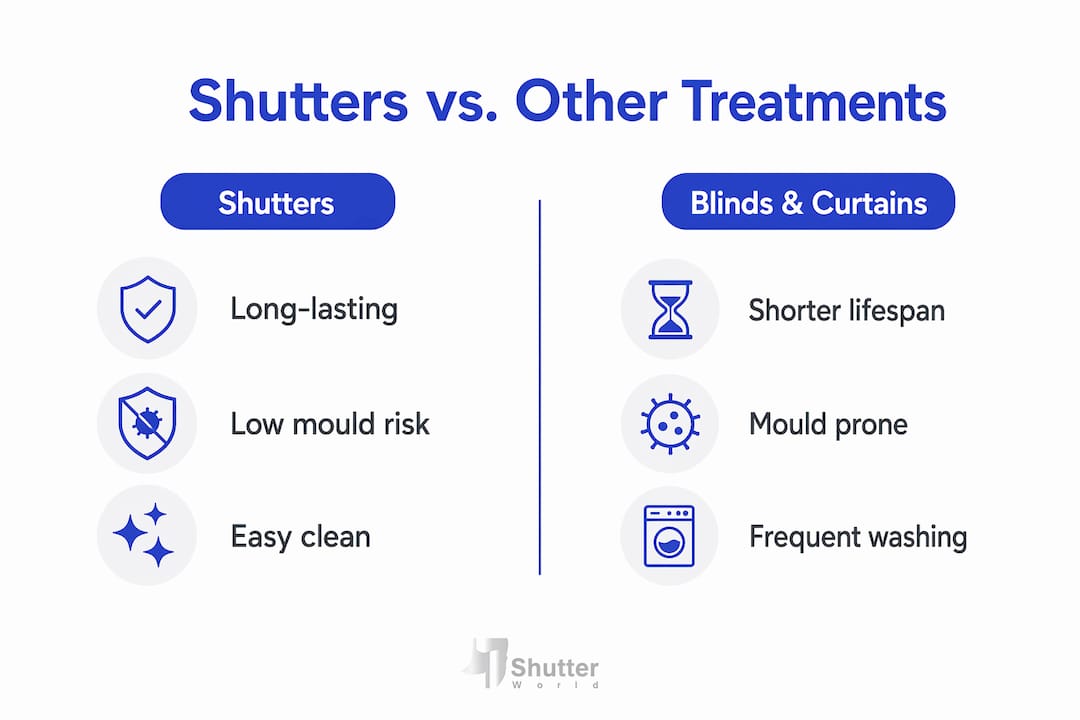
Fabric blinds and curtains may cost less upfront, but they need replacing far more frequently, particularly in damp rooms. Untreated timber shutters carry real risk in humid environments: they warp, swell, and eventually fail to close properly.
The aesthetic case for the advantages of water resistant shutters is stronger than many renovators expect. Modern water resistant shutters offer aesthetic versatility with multiple finishes and bespoke options, from clean painted whites to wood-look finishes that are genuinely convincing. Plantation shutters with aluminium cores resist sagging and damage even under intense sunlight and humidity, maintaining their structural integrity for up to 25 years.
For rooms with high humidity, the comparison becomes even clearer. Curtains in a bathroom trap moisture and can grow mildew within months. Water resistant shutters in the same space will still look pristine years later, with no remedial work required. The advantages of waterproof window coverings become most apparent in these high-use, high-humidity spaces where other treatments consistently underperform.
Choosing, fitting, and caring for your shutters
Selecting the right water resistant shutters involves more than picking a colour. The room type, window configuration, and local climate all influence which product will serve you best over the long term.
Here is a practical step-by-step approach to getting it right:
- Assess the room’s moisture level. Bathrooms and kitchens need full water resistance. Living rooms in wetter climates, such as those in the north of England, benefit from at least moisture-resistant materials. Do not underspecify.
- Consider your window shape. Standard rectangular windows accept most shutter styles. Bay windows, arched frames, skylights, and bi-fold configurations require bespoke engineering. Off-the-shelf products will not fit correctly, and poorly fitted shutters fail sooner. Find the right solution for shutters in humid rooms to match your window type accurately.
- Choose finish based on practicality, not just appearance. A gloss finish wipes clean more easily in a kitchen. A wood-effect finish might suit a living room better. Proper installation optimises insulation, energy efficiency, and structural integrity, reducing future maintenance needs significantly.
- Arrange a professional survey before ordering. Accurate measurements are non-negotiable. Even a few millimetres off can compromise how a shutter seals, which undermines both insulation and moisture protection. At Shutterworld, every order begins with a professional in-home survey to get this right.
- Establish a simple maintenance routine. Once fitted, your shutters need very little. A monthly wipe-down with a damp cloth, a twice-yearly check of hinges and louvre mechanisms, and prompt attention to any chips in the coating will keep them performing and looking their best for decades.
Common pitfalls to avoid:
- Buying on price alone and selecting materials unsuitable for the room’s humidity level
- Skipping professional fitting and creating gaps that let moisture in behind the shutter
- Choosing textured surfaces in kitchens where grease builds up in crevices
- Neglecting to check louvre mechanisms annually, which can seize if not kept clean
Pro Tip: When comparing quotes, ask specifically what happens if a shutter arrives slightly out of tolerance. A reputable supplier will remake it without charge. This tells you a great deal about their confidence in their own manufacturing process.
My honest view on the advantages of water resistant shutters in 2026
I have spent years advising homeowners on window treatments across the UK, and the shift toward water resistant shutters has been one of the clearest, most justified trends I have observed.
What I find genuinely underappreciated is how much the material science has improved. A decade ago, some PVC shutters had a plasticky finish that nobody wanted in a well-designed room. Today, the wood-effect laminates and painted finishes available are convincing enough that most visitors cannot tell the difference without touching them. That matters because it removes the old trade-off between durability and aesthetics.
My practical wisdom: do not make the decision based on the cheapest option in a humid room. The cost of replacing warped timber shutters, repainting corroded fittings, or stripping mouldy blinds quickly dwarfs the difference in initial outlay. I have seen this play out repeatedly in renovation projects where the budget shutter choice in a bathroom becomes a problem within three years.
For 2026 renovations specifically, I would encourage any homeowner to look seriously at plantation shutters for humidity control. The combination of thermal performance, mould resistance, and contemporary aesthetics makes them one of the most considered choices available for UK homes.
The homeowners who get the most value from water resistant shutters are those who view them as a long-term fixture built into the fabric of the house, not a temporary accessory. That mindset shift, from decoration to investment, changes the calculus completely.
— Ken
Transform your home with Shutterworld’s water resistant range
If this article has clarified what water resistant shutters can do for your property, the next step is finding the right product for your specific windows and rooms.
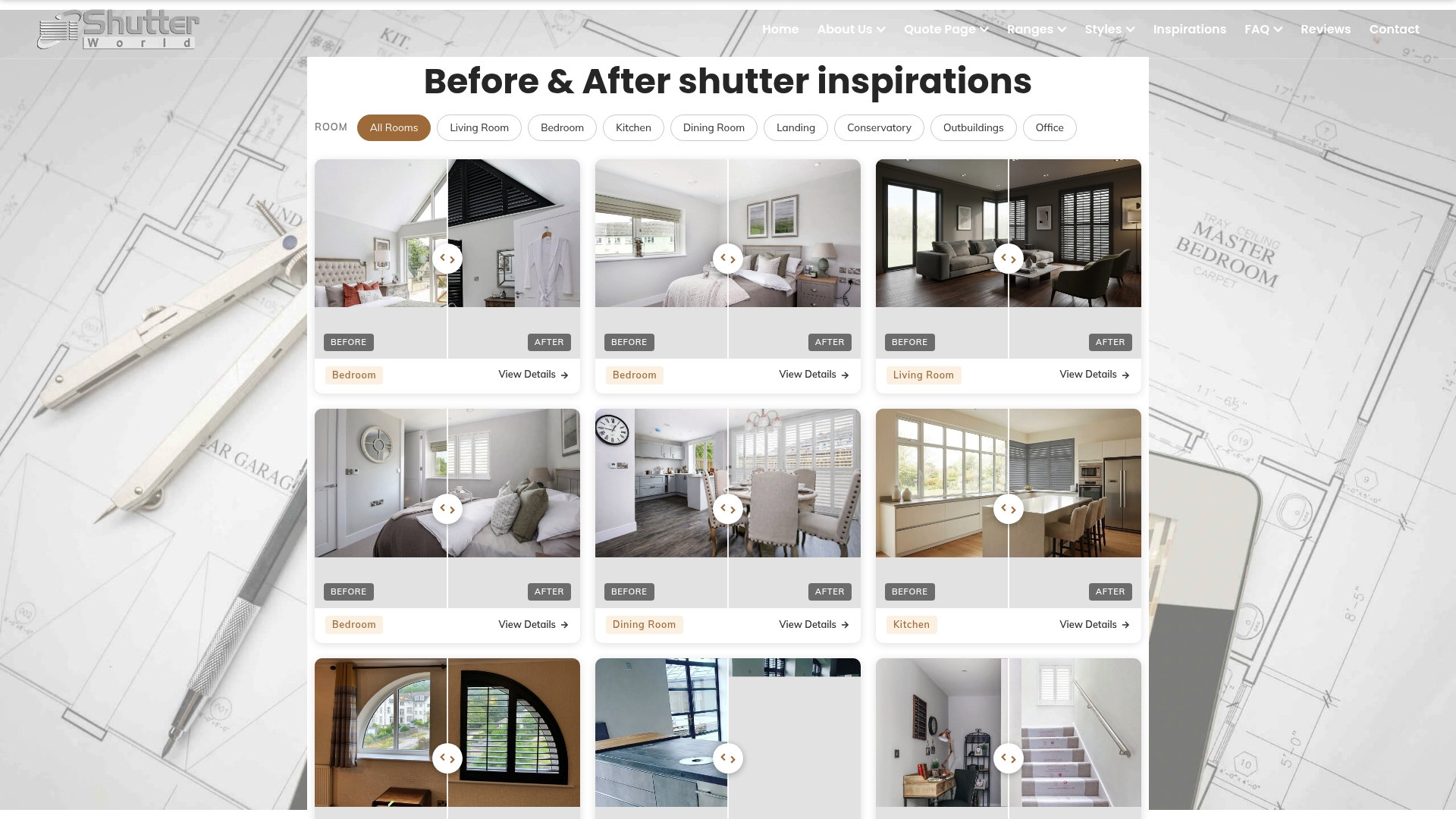
Shutterworld specialises in bespoke, made-to-measure interior shutters designed to perform in even the most demanding home environments. From the moisture-resistant Seattle range to premium hardwood options with protective coatings, every shutter is engineered for longevity and crafted to complement your home’s character. Explore Shutterworld’s full range of plantation shutters for UK homes or discover the possibilities with custom bespoke shutters tailored precisely to your windows. Every order includes a professional in-home survey, accurate measurement, and expert installation, backed by product and workmanship guarantees. Book your free consultation today and see the difference bespoke craftsmanship makes.
FAQ
Are water-resistant shutters suitable for bathrooms?
Yes. PVC, uPVC, and composite shutters are specifically designed for high-humidity rooms like bathrooms. They resist mould, do not warp with steam, and clean easily with a damp cloth.
How long do water-resistant shutters last?
Polycarbonate shutters have an indoor service life of up to 30 years, while PVC and uPVC options typically last 15 to 25 years with minimal maintenance.
Do water-resistant shutters help with energy bills?
Yes. Plantation shutters can reduce heat gain by up to 75% in warm, humid conditions, which translates to real savings on heating and cooling costs throughout the year.
Are waterproof shutters available in different styles?
Absolutely. Modern water-resistant shutters come in wood-effect laminates, gloss-painted finishes, and custom colours, meaning you do not have to sacrifice aesthetics for durability.
Do I need professional installation for water-resistant shutters?
Professional fitting is strongly recommended. Correctly installed shutters maximise insulation, prevent moisture ingress behind the frame, and perform as intended for their full service life.