
DIY Shutter Installation Risks – What UK Homeowners Need to Know

DIY shutter installation risks
Deciding whether to handle shutter installation yourself can feel daunting, especially when your West Yorkshire home has unique window shapes or architectural quirks. Choosing the right interior shutters is only the beginning—achieving a flawless fit demands meticulous measurements, technical skill, and a solid grasp of building regulations. With so many hidden challenges, it’s clear that DIY shutter installation demands the technical expertise that many homeowners underestimate. This guide reveals the true process, potential pitfalls, and why professional support matters when you want both style and security.
Table of Contents
- What DIY Shutter Installation Really Means
- Types of Interior Shutters and Installation Complexity
- Common Measurement and Fitting Challenges
- Structural Risks and Hidden Installation Hazards
- Legal, Warranty, and Compliance Pitfalls
- Comparing DIY vs Professional Installation Outcomes
Key Takeaways
| Point | Details |
|---|---|
| DIY Installation Requires Expertise | Homeowners must possess significant technical skills to accurately measure and install shutters to avoid costly errors. |
| Different Shutter Types Pose Unique Challenges | Each type of shutter entails specific installation complexities that require varying levels of expertise. |
| Structural Risks Are Significant | Improper DIY installation can lead to structural damage, safety hazards, and legal compliance issues. |
| Professional Installation Offers Long-Term Benefits | Although more expensive initially, professional installation ensures accuracy, compliance, and warranty protection, saving money in the long run. |
What DIY Shutter Installation Really Means
DIY shutter installation is a complex home improvement project that goes well beyond simply hanging window coverings. For UK homeowners, it involves a detailed process of precise measurement, component selection, and technical mounting that requires significant skill and understanding. Professional installation guidelines emphasise the intricate nature of this task.
At its core, DIY shutter installation means homeowners personally undertake every aspect of window shutter fitting, including:
- Accurate window measurements
- Selecting appropriate shutter materials
- Preparing mounting surfaces
- Cutting and adjusting shutter components
- Securing shutters with professional-grade fixings
- Ensuring level and precise alignment
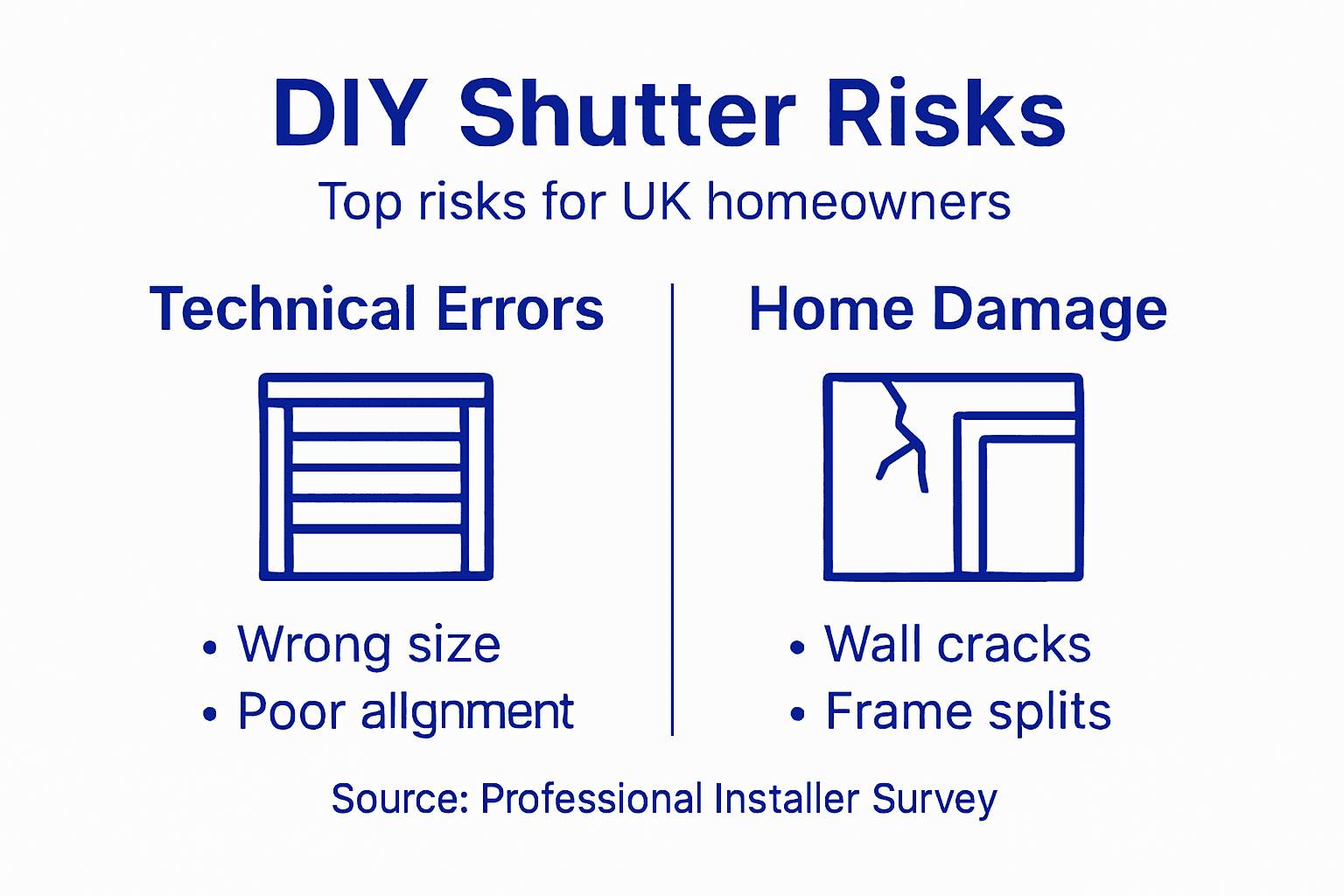
While the potential cost savings might seem attractive, DIY shutter installation demands technical expertise that many homeowners underestimate. Detailed measuring techniques are crucial, as even minor measurement errors can result in shutters that don’t fit correctly, compromise window functionality, or potentially damage window frames.
The process involves understanding specific technical requirements, such as precise angle measurements; recognising different window frame materials; selecting appropriate mounting hardware; and understanding how shutters interact with existing window structures. Professional installers typically spend years developing these skills, which cannot be replicated instantly through online tutorials or weekend DIY projects.
Pro tip: Before attempting DIY shutter installation, invest in professional measuring tools and spend significant time studying manufacturer-specific installation guidelines to minimise potential errors.
Types of Interior Shutters and Installation Complexity
Interior shutters represent a diverse range of window covering solutions, each presenting unique installation challenges for UK homeowners. Building regulations significantly impact the complexity of shutter installation, particularly when considering structural integrity and compliance requirements.
The primary types of interior shutters in the UK include:
- Plantation Shutters: Full-height coverings typically made from wood or MDF
- Café Style Shutters: Partial window coverings providing privacy and light control
- Tier-on-Tier Shutters: Independently movable top and bottom panels
- Full Height Shutters: Complete window coverage from top to bottom
- Tracked Shutters: Designed for larger openings or sliding configurations
Each shutter type demands different technical skills and installation approaches. Plantation shutters, for instance, require precise measurements and professional-grade mounting techniques to ensure perfect alignment and functionality. The installation complexity increases dramatically with non-standard window shapes, architectural peculiarities, or buildings with heritage restrictions.
To clarify the relative installation difficulty and expertise required for different shutter styles, see this summary table below:
| Shutter Type | Main Installation Challenge | Expertise Needed |
|---|---|---|
| Plantation | Precise alignment and cutting | Advanced carpentry |
| Café Style | Adjustment for partial coverage | Intermediate measuring |
| Tier-on-Tier | Panel synchronisation technique | Advanced DIY skill |
| Full Height | Load distribution over large area | Structural awareness |
| Tracked | Track placement and stability | Professional installer |
Professional installers must navigate multiple technical considerations, including understanding window frame materials, selecting appropriate fixing methods, ensuring structural load-bearing capabilities, and maintaining compliance with thermal efficiency and safety standards. These complexities make DIY installation a challenging prospect for most homeowners.
Pro tip: Invest in professional consultation before attempting complex shutter installations, as seemingly minor measurement errors can compromise both aesthetic appeal and functional performance.
Common Measurement and Fitting Challenges
Measuring windows for shutters represents a minefield of potential errors that can derail even the most carefully planned DIY project. Window measurement challenges extend far beyond simple width and height calculations, requiring precision and technical understanding that most homeowners underestimate.
The most critical measurement challenges include:
- Recess Depth: Accurately measuring the window’s recessed area
- Uneven Window Reveals: Identifying and compensating for structural irregularities
- Obstruction Mapping: Accounting for handles, locks, and window mechanisms
- Precise Angle Measurements: Ensuring shutters align perfectly with window geometry
- Thermal Expansion Considerations: Allowing space for material movement
Professional installers recognise that window measurement is a complex technical skill. Small discrepancies of just a few millimetres can result in shutters that bind, fail to close properly, or create unsightly gaps. Complications multiply with unique architectural features like bay windows, arched openings, or properties with historical structural variations.
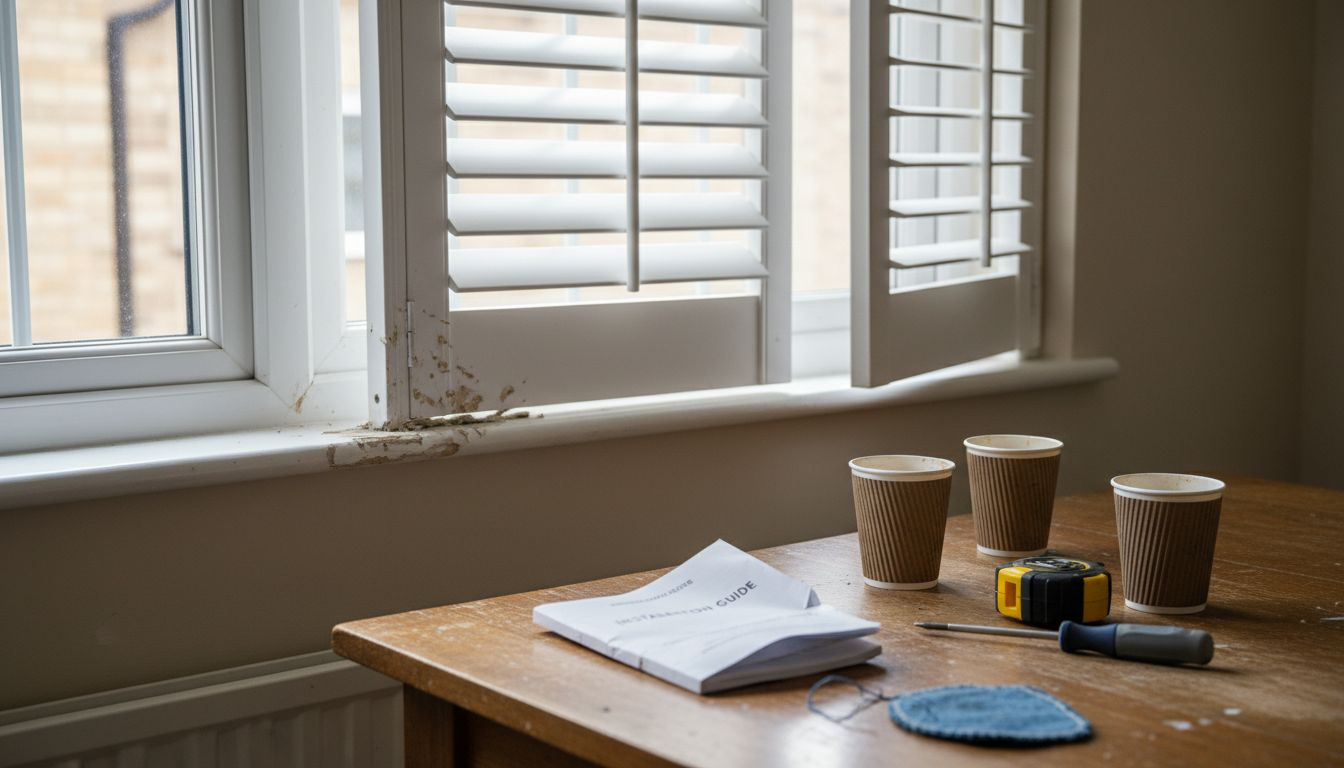
Beyond measurement, fitting challenges demand sophisticated techniques. Installers must carefully select fixing points, ensure load-bearing capabilities, maintain level alignment, and preserve the structural integrity of both the window frame and surrounding wall. These technical requirements transform what might seem like a simple DIY task into a sophisticated engineering challenge.
Pro tip: Invest in professional-grade measuring tools and spend at least two hours carefully measuring and mapping your window’s exact dimensions before attempting any installation.
Structural Risks and Hidden Installation Hazards
UK homeowners must understand that shutter installation goes far beyond simple aesthetic improvements, involving complex structural considerations that can potentially compromise building integrity. Building regulations highlight critical installation risks that demand meticulous attention and professional-level expertise.
The most significant structural risks during DIY shutter installation include:
- Wall Substrate Damage: Compromising plaster or underlying wall structures
- Electrical Line Interference: Accidentally drilling into hidden wiring
- Load Distribution Problems: Incorrect fixing causing structural stress
- Moisture Penetration: Creating potential water ingress points
- Thermal Bridge Formation: Disrupting insulation and energy efficiency
Older UK properties present particularly complex challenges. Historical buildings with delicate masonry, non-standard window frames, and intricate architectural details require specialised knowledge that most DIY enthusiasts lack. Seemingly minor errors can trigger cascading structural issues that might remain undetected until significant damage occurs.
Professional installers conduct comprehensive pre-installation assessments, including identifying potential hidden hazards like embedded electrical conduits, load-bearing constraints, and substrate vulnerabilities. These professionals use advanced diagnostic tools to map out potential risks, ensuring that shutter installation does not compromise the building’s fundamental structural integrity.
Pro tip: Always conduct a thorough structural survey and consult a professional before attempting DIY shutter installation in properties over 30 years old or with non-standard architectural features.
Legal, Warranty, and Compliance Pitfalls
DIY shutter installation presents a complex legal landscape that extends far beyond simple home improvement. Building Safety Act regulations establish stringent legal obligations that many homeowners unknowingly breach when undertaking self-installation projects.
Key warranty and legal risks include:
- Manufacturer Warranty Invalidation: Automatic cancellation of product guarantees
- Insurance Coverage Limitations: Potential denial of home insurance claims
- Building Regulation Violations: Legal penalties for non-compliant installations
- Liability for Structural Damage: Personal financial responsibility for installation errors
- Potential Safety Code Breaches: Risk of failing property compliance inspections
Professional certification matters critically. Many manufacturers explicitly state that installations performed by non-qualified individuals automatically void warranty protection. This means that even a seemingly successful DIY project could leave homeowners financially exposed if subsequent issues emerge.
The legal complexities surrounding shutter installation are particularly pronounced in properties with special architectural characteristics, such as listed buildings or homes with specific structural requirements. Consumer warranty guidelines emphasise the importance of maintaining comprehensive documentation and adhering strictly to manufacturer specifications to protect one’s legal and financial interests.
Pro tip: Always request and retain written installation guidelines from manufacturers, and consider professional certification to maintain warranty and legal protection.
Comparing DIY vs Professional Installation Outcomes
Homeowners contemplating shutter installation face a critical decision between DIY approaches and professional services, with substantial differences in outcomes and long-term consequences. Building regulations consistently favour professional installation due to compliance and technical expertise requirements.
Key comparative outcomes include:
- Measurement Accuracy:
- Professional: Precise, laser-measured dimensions
- DIY: Potential 3-5mm measurement errors
- Installation Quality:
- Professional: Seamless, structurally sound fitting
- DIY: Potential misalignments, gaps, or improper mounting
- Warranty Protection:
- Professional: Full manufacturer warranty coverage
- DIY: Often immediate warranty invalidation
- Compliance Assurance:
- Professional: Guaranteed regulatory adherence
- DIY: High risk of unintentional regulation breaches
- Long-Term Performance:
- Professional: Optimal functionality and durability
- DIY: Higher likelihood of premature wear or failure
Professional installation represents a comprehensive service, not merely a technical task. Trained installers bring specialised knowledge of structural considerations, material interactions, and precise fitting techniques that cannot be replicated through weekend DIY enthusiasm.
The financial calculus of installation extends beyond initial costs. While DIY might seem cheaper upfront, potential errors can lead to significant expenses in repairs, replacements, or rectification work. Professional installers provide comprehensive solutions that protect both the aesthetic and functional integrity of your home’s window treatments.
Below is a comparison overview of DIY versus professional shutter installation outcomes, capturing key practical and financial aspects:
| Aspect | DIY Installation | Professional Installation |
|---|---|---|
| Fit Accuracy | May vary by several millimetres | Consistent, high-precision fit |
| Regulator Compliance | Risk of overlooked steps | Compliance ensured |
| Warranty Coverage | Often voided by self-install | Full manufacturer protection |
| Long-Term Value | Potential for repairs needed | Longevity and reliability |
Pro tip: Calculate the total potential cost of DIY mistakes, including potential repairs and warranty losses, before deciding against professional installation.
Avoid the Risks of DIY Shutter Installation with Expert Help from Shutter World
The article highlights the many challenges UK homeowners face when attempting DIY shutter installation such as precise measuring, structural risks, and legal pitfalls. These difficulties can lead to poor fit, warranty issues, and costly repairs. If you want shutters that fit perfectly and comply with all regulations, relying on professional expertise makes all the difference. From complex window shapes to ensuring structural integrity and maintaining warranty protection, Shutter World specialises in solving these exact problems.
Experience peace of mind by choosing bespoke shutters crafted and installed by trusted experts. Our Ossett-based team offers a comprehensive service including professional in-home surveys and expert installation, ensuring every shutter delivers lasting beauty and performance. Explore our West Yorkshire shutters Archives | Shutter World to see our quality craftsmanship firsthand.
Take the stress out of your shutter project today by visiting Shutter World and discovering how our custom-made solutions can transform your home. For insightful inspiration and practical advice, browse our Uncategorized Archives | Shutter World and find your perfect window treatment solution now.
Frequently Asked Questions
What are the primary risks of DIY shutter installation?
DIY shutter installation risks include inaccurate measurements, structural damage to walls, electrical line interference, and compliance violations with building regulations. These can lead to costly repairs and compromised home integrity.
How can measurement errors affect my shutter installation?
Measurement errors can lead to shutters that do not fit correctly, resulting in gaps, misalignment, or operational issues. Such discrepancies may require additional modifications, resulting in additional costs and frustration.
What should I consider before installing shutters myself?
Before attempting DIY installation, consider investing in professional measurement tools, studying the manufacturer’s installation guidelines, and assessing your technical skills. Consulting professionals for complex installations, especially in older or heritage properties, is also advisable.
Will DIY installation void my shutter warranty?
Yes, many manufacturers state that self-installation automatically voids warranties. Proper installation by qualified professionals is often required to maintain warranty coverage and ensure regulatory compliance.
Recommended
- Shutter Installation Risks: Complete Homeowner Guide | Shutter World
- Shutter Installation Warranty Guide for UK Homes 2025 | Shutter World
- How to Install Shutters Safely in UK Home
- Common Shutter Installation Errors – Avoiding Costly UK Pitfalls
- The Dangers Of DIY Plumbing Without Proper Tools (London Edition)