
How shutters add curb appeal to your home

How shutters add curb appeal
TL;DR:
- Properly designed shutters serve as architectural tools that enhance symmetry, proportion, and visual rhythm on a home’s facade. Choosing the right style, material, and colour involves careful consideration of architectural style, proportion, and surrounding elements to maximize curb appeal. Consistent sizing, professional installation, and maintenance ensure shutters contribute positively to a home’s value and overall aesthetic.
Most homeowners think of shutters as finishing touches. A bit of colour around the windows, something to make the front look complete. That framing, however, undersells what shutters actually do. Understanding how shutters add curb appeal means recognising them as architectural tools, not decorative accessories. When chosen and positioned correctly, shutters define proportion, create visual rhythm, and shape how your entire facade reads from the street. This guide covers the design principles behind shutter selection, which materials perform best over time, colour strategies that genuinely work, and the common pitfalls that leave homes looking worse than before.
Table of Contents
- Key takeaways
- How shutters add curb appeal through architectural design
- Shutter types and materials: what you need to know
- Colour strategies that genuinely transform a facade
- When shutters help and when they hurt
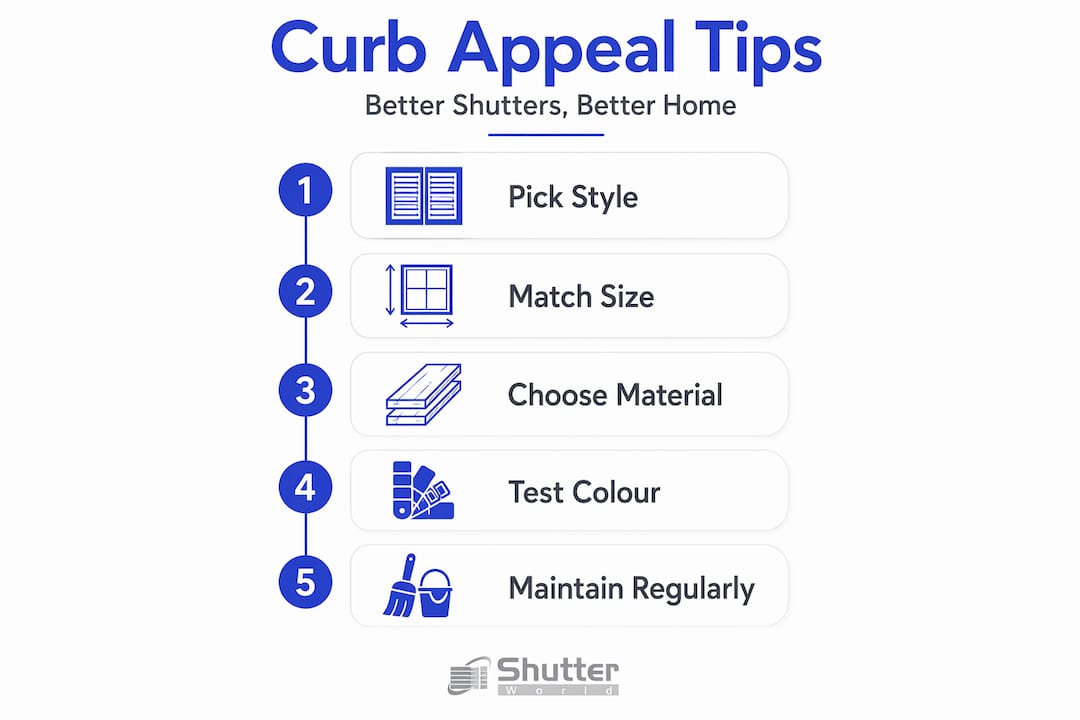
- Practical tips for selecting and maintaining shutters
- My perspective: shutters deserve more strategic thought
- Transform your home’s exterior with Shutterworld
- FAQ
Key takeaways
| Point | Details |
|---|---|
| Shutters as architectural elements | Correctly sized shutters create symmetry and proportion that transform how a facade reads from the street. |
| Material choice matters long-term | MDF and vinyl degrade visibly over time; hardwood and quality composites maintain their appearance for decades. |
| Colour is a strategic tool | Coordinating shutter colour with doors, trims, and landscaping creates cohesion rather than isolated accent points. |
| Sizing errors damage curb appeal | Shutters that are too small or wrong for the architecture actively detract from a home’s appearance. |
| Uniformity creates a premium look | Consistent shutter style, colour, and louvre angle across all windows signals quality and intentional design. |
How shutters add curb appeal through architectural design
The industry term for what shutters accomplish on a facade is visual articulation. They break up flat surfaces, add depth through shadow lines, and frame openings in ways that make windows feel purposeful rather than punched through a wall. Symmetry and balanced proportions are the core mechanisms at work, and both depend on shutters being correctly sized for the windows they frame.
Proportion is where most people go wrong. A shutter that does not match the height of its window immediately signals that something is off, even to viewers who cannot articulate why. The eye expects shutters to close and cover the glass fully. When they fall short, the facade reads as incomplete or budget-conscious, regardless of how expensive the rest of the property looks.
Rhythm is the less obvious benefit. When shutters appear at consistent intervals across a front elevation, they create a visual beat that draws the eye across the facade in a satisfying way. A home without shutters can feel flat and featureless. Adding shutters at every window introduces a repeating pattern that registers as considered design. This is particularly valuable on wider two-storey properties where the sheer expanse of brickwork or render can feel monotonous from the street.
Colour placement does its own architectural work. Choosing a shutter shade that picks up a secondary tone from the brickwork or stonework makes the facade feel unified rather than assembled from separate elements. Shutters reinforce proportion, colour, and style, which is precisely why they shape a viewer’s first impression of a home so powerfully.
Here is what shutters can fix on a problematic facade:
- Flat elevations where brickwork or render offers no depth or shadow interest
- Imbalanced window arrangements where adding shutters to some windows creates a visual anchor that stabilises the composition
- Oversized windows where shutters reduce the visual weight and bring windows into proportion with surrounding wall space
- Awkward gaps between windows and rooflines, where shutters draw the eye to the window rather than the surrounding void
Pro Tip: When planning shutter placement, photograph your front elevation and sketch in the shutters digitally before committing. Proportion issues that are invisible in person often become obvious in a photograph.
Shutter types and materials: what you need to know
Four basic exterior shutter types exist, and each one carries a different aesthetic character.
| Shutter type | Best architectural match | Visual character |
|---|---|---|
| Panelled | Georgian, Victorian, traditional | Formal, structured, classic |
| Louvred | Colonial, coastal, cottage | Textured, light-filtering, relaxed |
| Board-and-batten | Farmhouse, rural, Arts and Crafts | Rustic, bold, vertical emphasis |
| Bermuda (Bahama) | Coastal, tropical, contemporary | Dramatic, canopy-style, distinctive |
Getting the type right matters as much as getting the size right. A board-and-batten shutter on a formal Georgian townhouse creates an uncomfortable mismatch. A louvred shutter on a contemporary minimalist property feels equally out of place. Shutters should match the architectural style of the home to appear integrated rather than applied as an afterthought.
Material choice shapes both the initial appearance and how well that appearance holds up over years of exposure to weather. This is where many homeowners make costly errors. MDF, for instance, is cost-effective at the point of purchase but can swell and sag with moisture exposure, which degrades the facade appearance significantly within a few years. Vinyl is resistant to moisture but yellows under prolonged UV exposure. For the UK climate, where rain is persistent and sun exposure varies considerably by region, material selection deserves serious consideration.
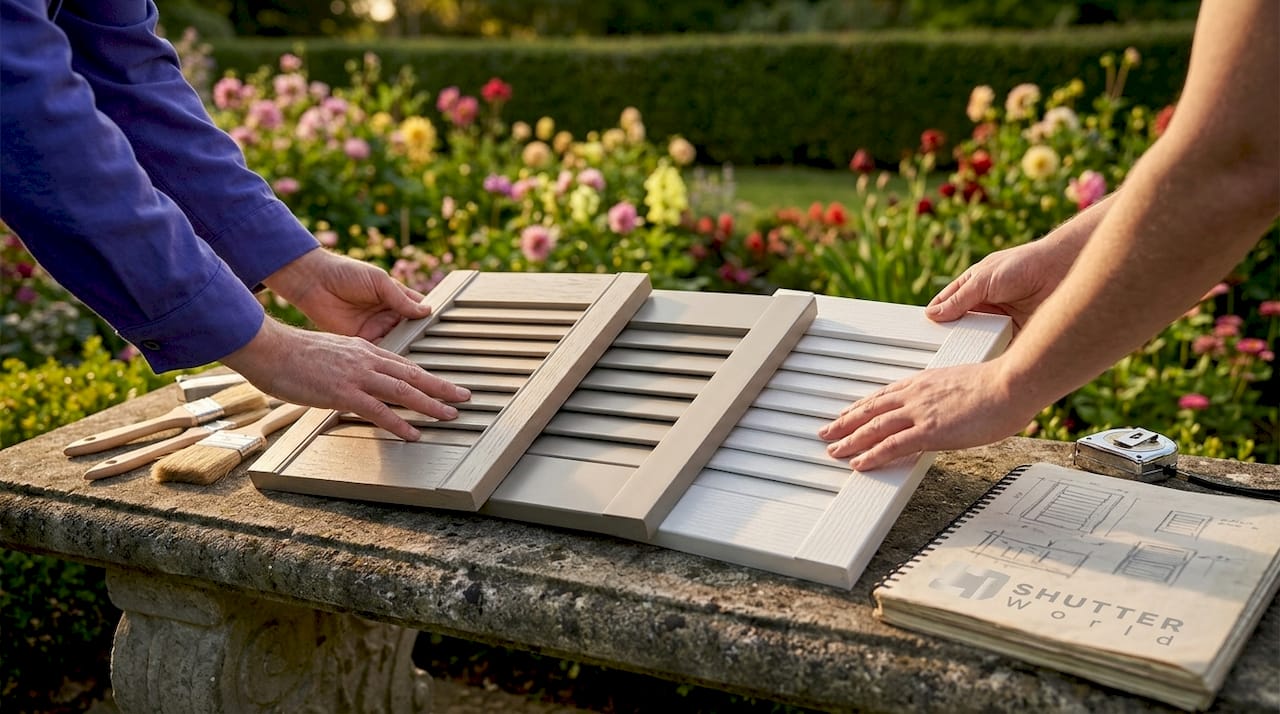
Hardwood remains the premium choice for longevity and visual quality. It holds paint well, resists warping when properly sealed, and ages gracefully. Quality composite materials offer a practical middle ground, replicating the look of timber while offering greater resistance to moisture and temperature fluctuation. For a thorough breakdown of how these materials compare in practice, Shutterworld’s shutter materials comparison guide covers the specific performance differences in detail.
Pro Tip: For UK homes exposed to persistent rainfall, avoid untreated MDF for any exterior application. Composites with a factory-applied moisture-resistant coating offer the best balance of cost, appearance, and durability.
Colour strategies that genuinely transform a facade
Colour is the fastest and most affordable way to change how shutters affect your home’s exterior. Painting existing shutters offers a genuinely low-cost transformation, and the results can be dramatic when the colour choice is made strategically rather than intuitively.
The most common mistake is treating shutter colour as an isolated decision. Shutters do not exist in a visual vacuum. They sit alongside front doors, garage doors, window frames, fascia boards, and often planting or hardscaping. Each of those elements carries a colour, and your shutter choice either creates cohesion or competes.
Here are the principles that produce consistently strong results:
- Use the door as your anchor. Shutters do not need to match the front door exactly, but they should share the same tonal family. Deep navy shutters pair beautifully with a navy door because they create a deliberate, coordinated scheme. The same navy shutters against a red door create tension without purpose.
- Pick up from the masonry. Brick and stone almost always contain secondary colours that most people never notice. Cream, taupe, soft terracotta, grey-green. Choosing a shutter colour that echoes one of these secondary tones makes the whole facade feel intentional and unified.
- Use contrast carefully. High-contrast shutters (crisp white on red brick, for example) create bold visual energy that photographs well and reads clearly from a distance. Low-contrast shutters (warm grey on warm grey render) create a sophisticated, layered look that feels more understated. Neither is wrong. The choice should reflect the overall character you want the home to project.
- Coordinate with landscaping. If you have dark hedging or mature evergreen planting flanking the entrance, warm-toned shutters will stand out beautifully. Cool-toned shutters against dark greenery can feel cold and recessive.
- Avoid trendy colours if you plan to sell. Neutral shutter colours with broad appeal support the impact of shutters on property value more reliably than fashionable shades that may feel dated within a few years.
When shutters help and when they hurt
Not every home benefits from shutters, and recognising which category yours falls into is the most important design decision you will make. Shutters can add depth and symmetry to the right facade, but the same shutters on the wrong property actively reduce its appeal.
Here are the situations where shutters reliably improve a home’s exterior:
- Small or narrow windows on large facades. Shutters add visual weight to windows that would otherwise be dwarfed by the surrounding wall, making them feel considered rather than incidental.
- Flat render or featureless brick. Shutters introduce shadow lines, texture, and depth to surfaces that offer no natural articulation.
- Traditional or period properties. Georgian, Victorian, and Edwardian architecture was designed with shutters as an integral component. Adding them returns the facade to its intended visual balance.
- Homes lacking a clear focal point. Shutters around the windows closest to the front door can create a composed entry composition that gives the facade a natural centre of attention.
Conversely, shutters tend to detract in these situations:
- Contemporary or minimalist architecture. Clean, unadorned facades are a deliberate design statement. Adding shutters introduces visual noise that conflicts with the architectural intent.
- Very large picture windows. Shutters sized to close over a floor-to-ceiling window can feel visually overwhelming and structurally unconvincing.
- Irregular or asymmetric window arrangements. Trying to add shutters to a facade where windows are positioned at irregular intervals or heights often makes the asymmetry more pronounced rather than resolving it.
- When budget limits proper sizing. Undersized shutters applied to save money are worse than no shutters at all. Practitioners treat shutter size and spacing as integral to facade geometry, and incorrect proportions create visible imbalance from the street.
Practical tips for selecting and maintaining shutters
The details of installation and upkeep have a direct bearing on whether your shutters continue to enhance the facade or gradually begin to undermine it. Inconsistent shutters across a front elevation, whether through mismatched colours, varying louvre angles, or different styles on different windows, create a disjointed appearance that reads as neglect rather than choice.
Keep these principles in mind:
- Buy all shutters from the same range in a single order. Colour batches and manufacturing tolerances vary. Mixing shutters from different orders or suppliers creates subtle inconsistencies that become obvious in direct sunlight.
- Match louvre angles across all windows. Where adjustable louvres are used, set them to the same angle on every shutter. Variation from window to window is a detail that most viewers cannot identify consciously, but it creates a nagging sense that something is wrong.
- Prioritise professional installation. Shutters that are not level, correctly spaced, or properly fixed to the wall degrade the facade more than no shutters at all.
- Clean regularly. A damp cloth twice a year removes the grime accumulation that makes even quality materials look tired. On white or light-coloured shutters, this is particularly noticeable.
One benefit of plantation shutters that rarely gets discussed in the context of exterior appeal is the shadow box effect at night. When interior lights are on, plantation shutters visible from outside create a warm, framed glow that adds perceived sophistication to the facade after dark. This night-time dimension is worth factoring into your choice if the front of your home is visible from a road or public space in the evening. Quality of installation and finish matter even more in this context, as subtle imperfections in the louvres or frame become more visible under interior lighting.
Pro Tip: Pair exterior shutters with well-positioned porch lighting to compound the visual effect. Light falling across shutter panels from above creates depth and shadow that reinforces the architectural quality of the installation.
My perspective: shutters deserve more strategic thought
I have worked closely with homeowners and renovators for long enough to notice a consistent pattern. The projects that disappoint are almost always the ones where shutters were chosen last. Browsing colours online, picking something that looks appealing, ordering. No consideration of proportion, architectural style, or how the shutters will sit alongside the other exterior elements already in place.
What I have learned from seeing hundreds of completed projects is that the homes where shutters genuinely transform the facade share one quality: the shutters look as though they were always supposed to be there. That is not luck. It is the result of matching style to architecture, getting the sizing precisely right, and choosing a colour that the rest of the exterior almost seems to have been waiting for.
I have seen a period semi-detached property in West Yorkshire where adding correctly sized, heritage-green louvred shutters to previously bare sash windows changed the entire character of the front elevation. It went from pleasant to genuinely distinctive. The structural changes to the property were zero. The change came entirely from one considered decision made well.
The opposite is equally true, and I have seen it more times than I would like. Shutters that are two-thirds the correct height, fitted in a colour chosen from a small online swatch, inconsistently spaced. They do not add curb appeal. They advertise that a decision was made without enough thought. The lesson I keep coming back to is that getting shutters right demands the same level of care as any other significant design choice for your home. When you apply that care, the results speak for themselves.
— Ken
Transform your home’s exterior with Shutterworld
If this article has convinced you that shutters deserve a more considered approach, Shutterworld is the natural next step. With over 25 years of experience crafting bespoke shutters for UK homes, we understand that every facade presents a unique set of proportions, materials, and architectural character.
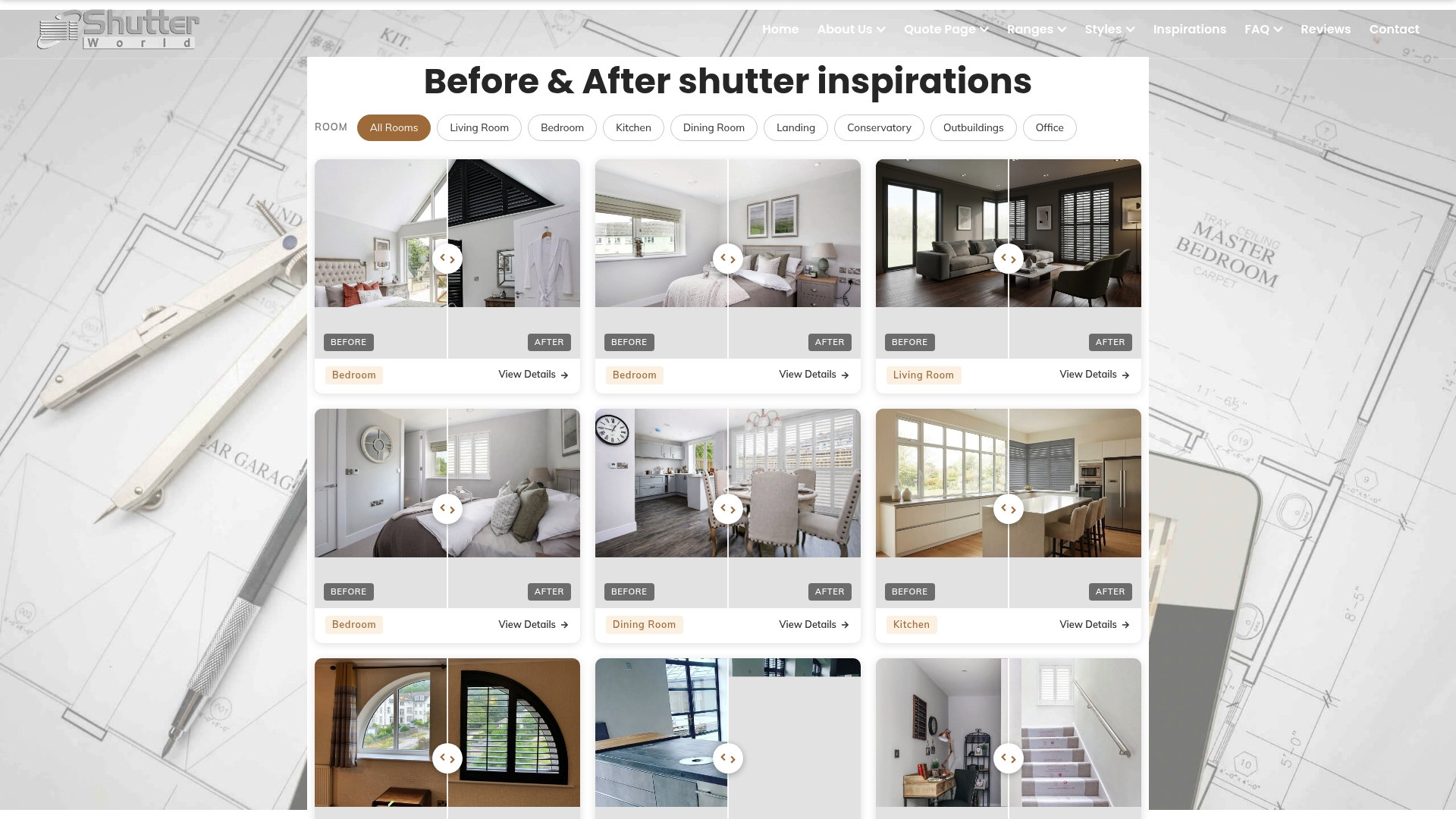
Our plantation shutter installations are made to measure and fitted by experienced professionals who understand the difference between shutters that look applied and shutters that look integrated. Whether you are working with a traditional period property or a contemporary home requiring a more understated approach, we help you select the right style, material, and colour to genuinely enhance what you already have. Explore our full range and choose your shutter style to begin your project with confidence.
FAQ
Do shutters genuinely increase curb appeal?
Yes, when correctly sized and matched to the architectural style of the home. Shutters create symmetry, depth, and visual rhythm that improve how a facade reads from the street, though incorrectly proportioned or mismatched shutters can have the opposite effect.
What are the best shutters for curb appeal?
Louvred and panelled shutters are the most widely versatile choices for traditional and period properties. Matching the shutter type to the home’s architecture is more important than any single style being universally superior.
How do I choose the right shutter colour?
Coordinate your shutter colour with your front door, window frames, and masonry tones rather than treating it as a standalone decision. Vibrant and coordinated shutter colours create a unified facade that reads as intentional design rather than decoration.
Which shutter materials last longest outdoors?
Hardwood and quality composite materials offer the best long-term performance. MDF can swell with moisture and vinyl can yellow over time, both of which degrade the facade’s appearance. For UK conditions, a moisture-resistant composite or properly sealed hardwood is the most reliable choice.
Can shutters add value to a property?
Correctly chosen and well-maintained shutters contribute to perceived property value by improving kerb appeal and signalling quality of care. The impact of shutters on property value is most pronounced when they are proportionally correct, architecturally appropriate, and in excellent condition.