
How shutters affect window lifespan: a homeowner’s guide

How shutters affect window lifespan
TL;DR:
- Window shutters extend the lifespan of windows by shielding them from thermal stress, UV radiation, moisture, and impact. Selecting the correct material, ensuring professional installation, and performing regular maintenance are essential to maximize their protective function and longevity. Shutters last significantly longer than other window treatments and provide ongoing structural and thermal benefits, making them a vital window care investment.
Window shutters are defined as a permanent protective barrier that directly extends the lifespan of your windows by shielding them from thermal stress, UV radiation, moisture, and physical impact. Understanding how shutters affect window lifespan matters because windows are one of the most costly elements of any home to replace. The right shutter material, fitted correctly and maintained well, can add decades to the life of your frames and glazing. This guide covers the mechanisms of protection, the role of material choice, and the maintenance habits that make the difference between a window that lasts 15 years and one that lasts 40.
How do shutters protect windows from damage?
Shutters act as a physical and thermal barrier placed directly in front of your window, absorbing the stresses that would otherwise fall on the glass and frame. The U.S. Department of Energy confirms that shutters block around 76% of solar radiation that would otherwise enter through double-pane windows as heat. That figure matters because repeated heating and cooling cycles cause glass and frame materials to expand and contract, a process that gradually weakens seals, warps timber, and cracks glazing compounds.
Beyond heat, shutters reduce the direct impact of wind-driven rain on window frames. Moisture penetration is one of the primary causes of sash and frame deterioration, particularly in timber windows. A closed shutter keeps rain off the glazing bars and reduces condensation on the inner pane by improving the insulating layer between the room and the glass.
UV exposure is the other major threat. Prolonged ultraviolet light degrades the putty, sealants, and paint that protect window frames. Shutters intercept that radiation before it reaches the frame surface. The combined effect of blocking heat, moisture, and UV means the window unit beneath experiences far less cumulative stress over its lifetime.
Key protective benefits include:
- Thermal stress reduction: Blocking solar gain reduces the expansion and contraction cycles that weaken window seals.
- Moisture defence: Closed shutters limit rain contact with frames and reduce internal condensation.
- UV protection: Shutters intercept ultraviolet light before it degrades frame sealants and paint.
- Physical impact buffer: Solid shutter panels absorb minor impacts from debris that would otherwise chip or crack glazing.
Does shutter material choice affect window longevity?
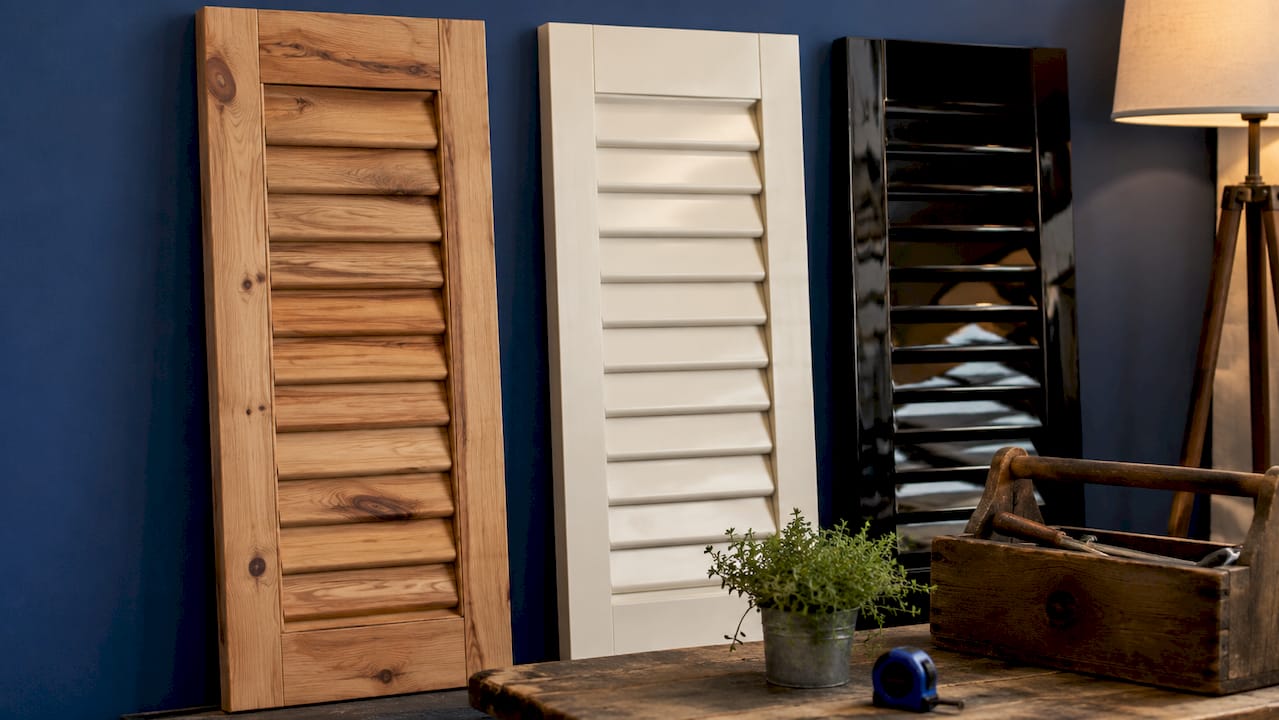
The material your shutters are made from determines how well they protect your windows over time, and for how long they remain capable of doing so. Composite shutters typically last 25–30 years, wood shutters 20–25 years, and vinyl shutters 15–20 years. Blinds and curtains, by contrast, need replacing every 5–8 years. That gap in durability directly translates to a gap in continuous window protection.
| Material | Typical lifespan | Best environment | Key risk |
|---|---|---|---|
| Composite | 25–30+ years | Any, including humid | Sagging without aluminium core |
| Hardwood | 20–25 years | Dry, climate-controlled rooms | Warping and paint peeling in humidity |
| Vinyl | 15–20 years | Moderate conditions | Brittleness in extreme cold |
| Aluminium | 25–30+ years | Bathrooms, conservatories | Condensation on cold surfaces |
| Blinds/curtains | 5–8 years | Any | No structural protection offered |
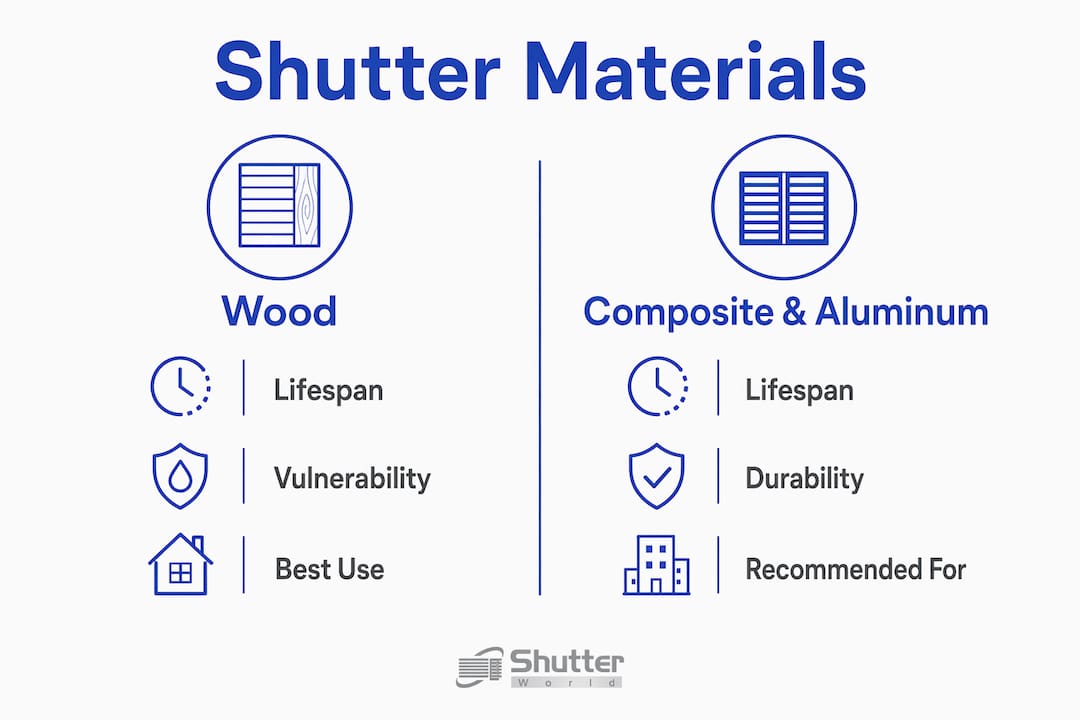
Wood shutters are the most vulnerable to environmental conditions. In high-humidity areas, wood shutters can fail in as little as 7–10 years, whereas the same timber shutter in a climate-controlled interior can reach 20–30 years. The lesson is that matching material to environment matters more than simply choosing the most expensive option.
For bathrooms, kitchens, and conservatories, composite shutters with internal aluminium reinforcement cores are the correct choice. The aluminium core prevents sagging and warping over decades in humid conditions, maintaining the tight fit that keeps the shutter effective as a protective barrier. Without that core, composite panels can bow away from the frame, leaving gaps that allow moisture and heat to reach the window directly.
Selecting the right material for your specific rooms is covered in detail in Shutterworld’s guide to best shutter materials for UK homes, which compares performance across different room types and climates.
Pro Tip: For bathrooms and any room with regular steam or condensation, always specify composite shutters with an internal aluminium reinforcement core. This single specification decision can add 10 or more years to both the shutter and the window frame beneath it.
What does installation quality mean for window durability
Installation quality is the factor most homeowners overlook, yet it has a direct bearing on how long both the shutter and the window last. Proper installation can add up to 10 years to a shutter’s operational life compared to a tight or poorly aligned fit. A shutter that binds against the frame creates constant mechanical stress on the hinges, the panel edges, and the window surround itself.
When a shutter panel rubs against a frame on every open and close cycle, it gradually damages the paint and timber of the window reveal. Over the years, this abrasion can expose bare wood to moisture, accelerating the very deterioration the shutter was meant to prevent. A correctly fitted shutter moves freely, with consistent clearance on all sides.
Poor installation causes mechanical failure sooner and reduces the shutter’s ability to close flush against the frame, which is the position in which it provides maximum thermal and moisture protection. Shutterworld’s professional survey and fitting service is designed specifically to eliminate this risk, with experienced fitters measuring to tolerances that preserve both shutter function and window integrity.
How to maintain shutters to maximise window protection
Shutters are minimal maintenance, not maintenance-free. Regular hinge checks, tension screw adjustments, and occasional cleaning are the core tasks that keep shutters functioning as an effective window barrier. Neglecting these checks allows small mechanical issues to become structural ones, reducing the shutter’s protective effect on the window beneath.
A practical maintenance schedule looks like this:
- Monthly: Wipe louvres and frames with a damp cloth. Dust accumulation on louvres can cause them to stick, which puts strain on the tilt rod and hinges.
- Every six months: Check all hinges for looseness. A hinge that has worked free allows the panel to drop, creating a gap at the top of the frame where moisture and heat can enter.
- Annually: Test tension screws on louvres. If louvres fall open under their own weight, the tension needs adjusting. This is a two-minute task with a screwdriver.
- Every decade (aluminium shutters): Repaint or refinish the surface to maintain the protective coating and prevent corrosion at fixings.
The most important maintenance insight is this: replacing worn hinges or re-anchoring panels restores shutter functionality and effectively resets the shutter’s protective lifespan. Most shutter “failures” are hinge failures, not panel failures. Replacing a set of hinges costs a fraction of replacing a shutter, and a fraction more of replacing a window.
Pro Tip: If a shutter panel begins to sag or swing open on its own, address the hinge immediately. A sagging panel that rests against the window frame will cause paint abrasion and, over time, moisture ingress at the contact point.
Shutterworld’s guide on protecting shutters from sun damage covers additional steps for south-facing windows where UV exposure is highest.
Shutters vs other window treatments: which protects windows best?
Shutters outlast every other common window treatment by a significant margin. Shutters last 3–4 times longer than blinds, which typically need replacing every 5–8 years. That replacement cycle matters for window protection because every time a blind or curtain is removed and refitted, the window fixings are disturbed, and the frame is exposed to handling damage.
Curtains offer no structural protection whatsoever. They hang from a pole above the window and provide no barrier against thermal stress, moisture, or UV at the frame level. Roller blinds sit closer to the glass but leave the frame entirely exposed and provide minimal insulation value. Neither treatment contributes to window longevity in any meaningful way.
Shutters, by contrast, are rated as permanent fixtures that enhance property appraisal value. Estate agents and surveyors recognise shutters as a long-term asset, unlike fabric treatments that depreciate immediately. This distinction shifts the way you should think about the purchase: shutters are not a decorating choice; they are a window care investment.
The comparison with other treatments also reveals a cost argument. Annualised costs for premium shutters range from competitive levels per window when measured against the cumulative cost of replacing mid-grade blinds every 5–7 years. Add the cost of window repairs that shutters prevent, and the financial case becomes clear. For a direct comparison of shutters against curtains across multiple criteria, Shutterworld’s shutters vs curtains guide sets out the differences in detail.
Key advantages of shutters over other window treatments:
- Continuous protection: Shutters remain in place and functional for 15–30+ years without replacement.
- Frame-level barrier: Shutters protect the window frame and sash directly, not just the interior.
- Thermal performance: Shutters reduce heat gain and loss, reducing thermal stress on glazing units.
- Property value: Shutters are recognised as permanent fixtures that add to appraisal value.
Key takeaways
Shutters extend window lifespan by acting as a permanent physical and thermal barrier that reduces UV exposure, moisture penetration, and thermal stress on frames and glazing.
| Point | Details |
|---|---|
| Thermal barrier effect | Shutters block around 76% of solar radiation, reducing the expansion cycles that weaken window seals. |
| Material matching | Composite shutters with aluminium cores suit humid rooms; wood suits dry, climate-controlled spaces. |
| Installation tolerance | A correctly fitted shutter adds up to 10 years of life compared to a tight or binding install. |
| Maintenance resets lifespan | Replacing worn hinges restores full shutter function and sustains window protection without full replacement. |
| Shutters outlast alternatives | Shutters last 3–4 times longer than blinds, providing continuous window protection over decades. |
Why I think most homeowners underestimate shutters as a window care tool
After years of working with homeowners across the UK, the pattern I see most often is this: people buy shutters for how they look and are pleasantly surprised by what they do. The protective function is almost always an afterthought, which means many homeowners are not making the most of it.
The biggest misconception I encounter is that any shutter will do the job equally well. It will not. A wood shutter fitted in a bathroom is not protecting that window. It is deteriorating alongside it. Selecting shutters appropriate for the environment matters more than raw material quality for long-term performance. I have seen beautifully crafted timber shutters fail within eight years in a steamy kitchen, while a well-specified composite shutter in the same room would still be performing at 25 years.
The second misconception is that shutters are maintenance-free. They are not. They are minimal maintenance, and that distinction matters. A shutter that is never checked will develop loose hinges, which leads to panel sag, which leads to frame contact, which leads to moisture ingress. The window suffers the consequence of the neglected shutter. Ten minutes of annual checks prevents that chain of events entirely.
My advice to any homeowner or renovator is to treat shutters as part of your window care strategy from day one. Specify the right material for the room, insist on professional installation with correct tolerances, and build a simple maintenance habit. Do those three things and your windows will outlast those of every neighbour who chose blinds.
— Ken
Bespoke shutters built to protect your windows for decades
Choosing the right shutter is the single most effective decision you can make for your windows’ long-term health. Shutterworld offers plantation shutters in composite, hardwood, and aluminium, each matched to the conditions of your specific rooms and windows.

Every Shutterworld shutter is made to measure, fitted by experienced professionals, and backed by product and workmanship guarantees. Whether you have standard sash windows, bay windows, or complex architectural shapes, Shutterworld’s bespoke service covers every scenario. With over 25 years of experience serving homeowners across the UK, Shutterworld delivers shutters that stand the test of time, protecting your windows and adding lasting value to your home. Book your free in-home survey today.
FAQ
How much do shutters extend window lifespan?
Shutters reduce the thermal stress, UV exposure, and moisture contact that cause window frames and glazing to deteriorate. By acting as a continuous barrier, well-maintained shutters can add many years to the life of the window beneath them.
Which shutter material lasts longest?
Composite shutters with internal aluminium reinforcement cores and aluminium shutters both last 25–30+ years, making them the most durable options for long-term window protection.
Do shutters help with condensation on windows?
Yes. Shutters improve the insulating layer between the room and the glass, reducing the temperature differential that causes condensation. Less condensation means less moisture contact with the frame and sill.
How often should shutters be serviced to protect windows?
Hinge and tension screw checks every six to twelve months are sufficient for most shutters. Addressing loose hinges promptly prevents panel sag and the frame contact that leads to moisture damage.
Are shutters better than blinds for protecting windows?
Shutters provide structural protection at frame level that blinds cannot match. Shutters last 3–4 times longer than blinds and provide continuous thermal and UV protection, making them the superior choice for window longevity.