
How shutters improve indoor temperature and home comfort

Shutters improve indoor temperature
TL;DR:
- Interior shutters can reduce heat loss by up to 33% and outperform curtains and blinds.
- Properly fitted shutters improve winter warmth and prevent summer overheating through adjustable louvres.
- Long-lasting, bespoke shutters offer significant energy savings and enhanced indoor comfort year-round.
Most UK homeowners spend hundreds of pounds each year on heating, yet lose a substantial portion of that warmth straight through their windows. Curtains and blinds feel adequate, but the evidence tells a different story. Closing shading can save heat by up to 33%, according to research from the British Blind and Shutter Association (BBSA), and interior shutters are among the most effective window coverings available. This article explores exactly how shutters work to retain winter warmth, prevent summer overheating, and why they consistently outperform other window coverings for year-round indoor comfort.
Table of Contents
- Why indoor temperature control matters in UK homes
- How shutters reduce heat loss in winter
- Keeping cool in summer: How shutters prevent overheating
- Shutters versus other window coverings: Which is best for indoor temperature?
- Choosing the right shutters for maximum comfort and efficiency
- Our perspective: What most guides miss about shutters and temperature control
- Upgrade your comfort and efficiency with bespoke shutters
- Frequently asked questions
Key Takeaways
| Point | Details |
|---|---|
| Shutters cut heat loss | Fitted shutters can reduce winter heat loss by up to 33% compared to uncovered windows. |
| Year-round comfort | Shutters help keep homes cooler in summer and cosier in winter, improving comfort throughout the seasons. |
| Efficiency beats curtains | Shutters outperform curtains and blinds for both energy savings and temperature control. |
| Custom fit matters | Made-to-measure shutters work best for managing temperature; poor fit limits effectiveness. |
| Official recommendation | The UK government now recognises shutters as a smart, affordable home upgrade for comfort and efficiency. |
Why indoor temperature control matters in UK homes
The UK climate presents a unique challenge for homeowners. Winters are damp and cold, demanding reliable heat retention. Summers, increasingly, bring unexpected spikes that leave poorly prepared homes feeling stuffy and uncomfortable. Managing indoor temperature is not simply a matter of comfort; it directly affects energy bills, health, and the long-term value of your property.
Rising energy costs have made this issue impossible to ignore. The average household now spends significantly more on heating than a decade ago, and windows remain one of the primary culprits for heat loss. Single-glazed windows lose heat rapidly, but even modern double and triple-glazed units benefit enormously from an additional layer of insulation at the window itself.
The UK government’s Warm Homes Plan recognises shading and cites the BBSA’s guidance, positioning interior shutters as a low-cost, high-impact intervention for both overheating prevention and energy efficiency. This is a meaningful endorsement. When government policy acknowledges shutters as a practical solution, it signals that this is not a niche preference but a proven strategy that belongs in mainstream home improvement thinking.
Consider what effective temperature control actually delivers on a daily basis:
- Reduced heating costs in winter through improved heat retention at the window
- Lower risk of overheating in summer, which is particularly important for bedrooms and south-facing rooms
- Improved air quality and ventilation control, since shutters with adjustable louvres allow airflow without full exposure
- Better sleep quality, as temperature-regulated rooms promote deeper, more restful sleep
- Enhanced property value, since energy efficient shutters are increasingly recognised as a desirable feature by buyers
Modern shutters are not merely decorative. They are a core component of a considered, energy-saving strategy, built into the fabric of your home rather than added as an afterthought.
💡 Statistic to note: Homes can lose up to 25% of their total heat through windows and doors. A well-fitted shutter addresses this directly, creating a buffer zone between the cold glass and the warm interior.
How shutters reduce heat loss in winter
With the importance of indoor temperature established, it is worth understanding precisely how shutters combat the cold. The mechanism is straightforward but genuinely effective.
A solid or semi-solid shutter panel, when closed, creates a physical barrier between the cold glass surface and the interior of the room. This barrier slows the rate of heat transfer, preventing warm air from reaching the cold glass and dissipating outwards. Unlike curtains, which often hang loosely and allow convection currents to carry warm air downwards and out, a well-fitted shutter sits close to the window frame, minimising gaps and draughts.
Research confirms that shutters keep the heat in far more effectively than many homeowners realise. The BBSA’s research demonstrates heat loss reductions of up to 33% with quality window coverings, and shutters consistently rank at the upper end of that range due to their rigid construction and precise fit. Compare that to the performance of alternatives:
| Window covering | Estimated heat loss reduction |
|---|---|
| Interior shutters (bespoke, well-fitted) | Up to 33% |
| Thermal curtains | Approximately 14% |
| Standard roller blinds | 13–22% |
| Venetian blinds (standard) | Around 13% |
The difference is substantial, particularly when you consider that reducing energy bills by even 15–20% over a winter season can represent a meaningful saving on a typical UK energy tariff.
Material matters enormously here. Hardwood shutters, such as those in our Montana range, have natural insulating properties that MDF-based products cannot replicate at the same level. However, high-quality MDF shutters with an extruded polypropylene coating, like our Seattle range, still deliver excellent thermal performance and are a reliable choice for most homes. The key factors are always fit, sealing, and construction quality.
“Since having our shutters installed, the lounge stays noticeably warmer in the evenings. We have actually turned the thermostat down by a couple of degrees and the room still feels comfortable.” — Verified Shutter World customer
Pro Tip: Made-to-measure shutters will always outperform off-the-shelf alternatives for heat retention. Even a small gap around a poorly fitted panel allows warm air to escape and cold air to enter, significantly reducing the thermal benefit.
Keeping cool in summer: How shutters prevent overheating
After covering winter benefits, it is equally important to address how shutters protect your home during warmer months. This is the aspect that many guides overlook entirely, yet it is just as valuable.
When direct sunlight enters a room through unshaded glass, it heats the interior rapidly. This is known as solar gain. In south-facing rooms, conservatories, and upper-floor bedrooms, unchecked solar gain can make spaces genuinely uncomfortable within hours of the sun rising. The Guardian reported in 2025 that adjustable louvres block solar gain, reflecting heat with light-coloured shutters while still allowing ventilation control to prevent overheating in UK homes.
This is where shutters hold a significant advantage over curtains and standard blinds. The adjustable louvres on a plantation-style shutter allow you to:
- Angle sunlight upward toward the ceiling, reducing direct heat while still illuminating the room
- Partially close louvres to block the strongest afternoon sun without plunging the room into darkness
- Open the shutter frame while keeping louvres angled, allowing fresh air to circulate freely
- Reflect solar radiation more effectively with lighter-coloured finishes, which absorb less heat than darker alternatives
The practical difference is remarkable. A bedroom fitted with summer energy saving shutters can remain several degrees cooler than an identical room with standard curtains, simply because the shutter actively manages both light and airflow rather than merely blocking it.

| Shutter colour | Solar heat reflection | Recommended use |
|---|---|---|
| White or off-white | High | South-facing rooms, bedrooms |
| Mid-tone (grey, stone) | Moderate | Living rooms, hallways |
| Dark (navy, charcoal) | Lower | Rooms with limited sun exposure |
For UK homeowners, this cooling function has become increasingly relevant. Summers are warmer than they were twenty years ago, and the NHS regularly advises on the risks of overheating in homes, particularly for elderly residents and young children. Energy-efficient shutter solutions that address both seasons are no longer a luxury consideration; they are a genuinely practical investment in your household’s wellbeing.
Reduced reliance on electric fans and portable air-conditioning units is another measurable benefit. Fans consume energy and create noise; shutters require no power and operate silently. The long-term economics strongly favour a quality shutter installation.
Shutters versus other window coverings: Which is best for indoor temperature?
Now that the evidence is clear, it is worth placing shutters directly alongside their most common rivals. This comparison helps you make an informed decision rather than simply taking our word for it.
According to BBSA research, shutters outperform curtains and blinds across both winter and summer performance. Heat loss reduction figures of 20–50% have been cited in various studies, with the variation explained by glazing type, material, and installation quality. Curtains achieve roughly 14% heat loss reduction; standard blinds sit between 13% and 22% depending on their construction.
| Window covering | Winter heat retention | Summer solar control | Draught reduction | Longevity |
|---|---|---|---|---|
| Bespoke interior shutters | Excellent | Excellent | Excellent | 20+ years |
| Thermal lined curtains | Moderate | Poor to moderate | Moderate | 5–10 years |
| Roller blinds | Moderate | Moderate | Poor | 5–7 years |
| Standard venetian blinds | Poor to moderate | Moderate | Poor | 3–5 years |
The difference in longevity alone makes the comparison compelling. Shutters, when properly maintained, can last the lifetime of your home. Curtains and blinds require regular replacement, meaning their total cost of ownership is frequently higher than it appears at the point of purchase.
To help you assess your own home’s needs, consider the following steps:
- Identify your priority rooms. South-facing living rooms and bedrooms are most affected by both heat loss and solar gain.
- Check your current window covering performance. If rooms feel cold near windows in winter or excessively warm in summer, your current solution is underperforming.
- Assess your glazing type. Single glazing benefits most dramatically from shutters; double and triple glazing still sees meaningful improvement.
- Consider your window shapes. Bay windows, arched frames, and skylights often have gaps that standard coverings cannot address; bespoke shutters can.
- Use a reputable shutters energy saving guide to compare real-world performance figures before committing to any product.
The evidence points consistently in one direction: shutters deliver superior temperature control across every season, for virtually every window type. The question is not whether shutters outperform alternatives, but which shutters are right for your specific home.
Choosing the right shutters for maximum comfort and efficiency
With a clear picture of the advantages, the next step is selecting the right shutter system for your property. This is where many homeowners benefit most from expert guidance, because the variables involved genuinely affect the outcome.
Fit is the single most important factor. A bespoke, made-to-measure shutter that sits precisely within your window reveal will always outperform a pre-fabricated alternative. The gap between a poorly fitted panel and the frame is where heat escapes and draughts enter. BBSA research confirms that variation in performance across quoted reduction figures of 28–62% reflects glazing type, fit, and materials, which is why prioritising expert measurement and installation is essential.
Material choice depends on your primary goal. For superior heat retention in older properties with single glazing, a solid-panel hardwood shutter provides the most robust insulation. For modern homes focused on summer cooling and light control, louvred plantation shutters in a lighter finish offer flexible performance across both seasons.
Colour affects thermal performance more than most people realise. As outlined in the summer section, lighter finishes reflect solar heat more effectively. For rooms that overheat, specifying a white or off-white finish can meaningfully reduce solar gain without any structural change to the window itself.
When speaking to any installer, it is worth asking the following questions:
- Can you provide evidence of heat loss reduction figures for the specific product I am considering?
- How is the shutter sealed around the frame, and what gap tolerance should I expect?
- Is the product tested to BBSA or University of Salford standards?
- What material is recommended for my glazing type and room orientation?
- Do you offer a guarantee on both the product and the installation?
Understanding how shutters keep the heat in requires more than a brochure claim. Reputable installers will have real data and use-case examples to support their recommendations.
Pro Tip: Always ask for material-specific performance data before purchasing. A confident, knowledgeable supplier will readily provide this information. If they cannot, that tells you something important about the quality of their product.
When enhancing comfort with shutters in your home, the combination of expert measurement, appropriate material selection, and quality installation is what transforms a good product into a genuinely outstanding result. Choosing energy efficient shutters UK specialists means you benefit from both the product itself and the expertise behind it.
Our perspective: What most guides miss about shutters and temperature control
After more than 25 years of fitting bespoke shutters across the UK, we have noticed a consistent pattern: homeowners focus heavily on the numbers and underestimate the details that actually determine real-world performance.
The gap question is the one most frequently overlooked. A shutter with a 5mm gap around its perimeter loses a disproportionate amount of its thermal benefit. No amount of premium material compensates for poor fitting. This is why we insist on professional in-home surveys before any installation. Measurements taken by untrained eyes routinely miss the irregularities that matter most.
The dual-season benefit also tends to surprise people. Most enquiries we receive in autumn are about keeping the cold out. By the following summer, those same customers tell us the shutters transformed their bedroom temperature during the heatwave. That year-round return on investment is rarely communicated clearly in standard buying guides.
The deeper truth is that shutter energy savings are not just financial. The daily comfort of a room that stays at a consistent, pleasant temperature is a quality-of-life benefit that numbers alone cannot fully capture. Custom advice, not generalised claims, is what delivers that outcome reliably.
Upgrade your comfort and efficiency with bespoke shutters
Bespoke interior shutters are one of the most effective, long-lasting ways to improve temperature control and comfort in your home, across every season. Whether your priority is keeping warmth in during winter or preventing your living spaces from becoming unbearably hot in summer, a precisely fitted shutter delivers measurable, lasting results.
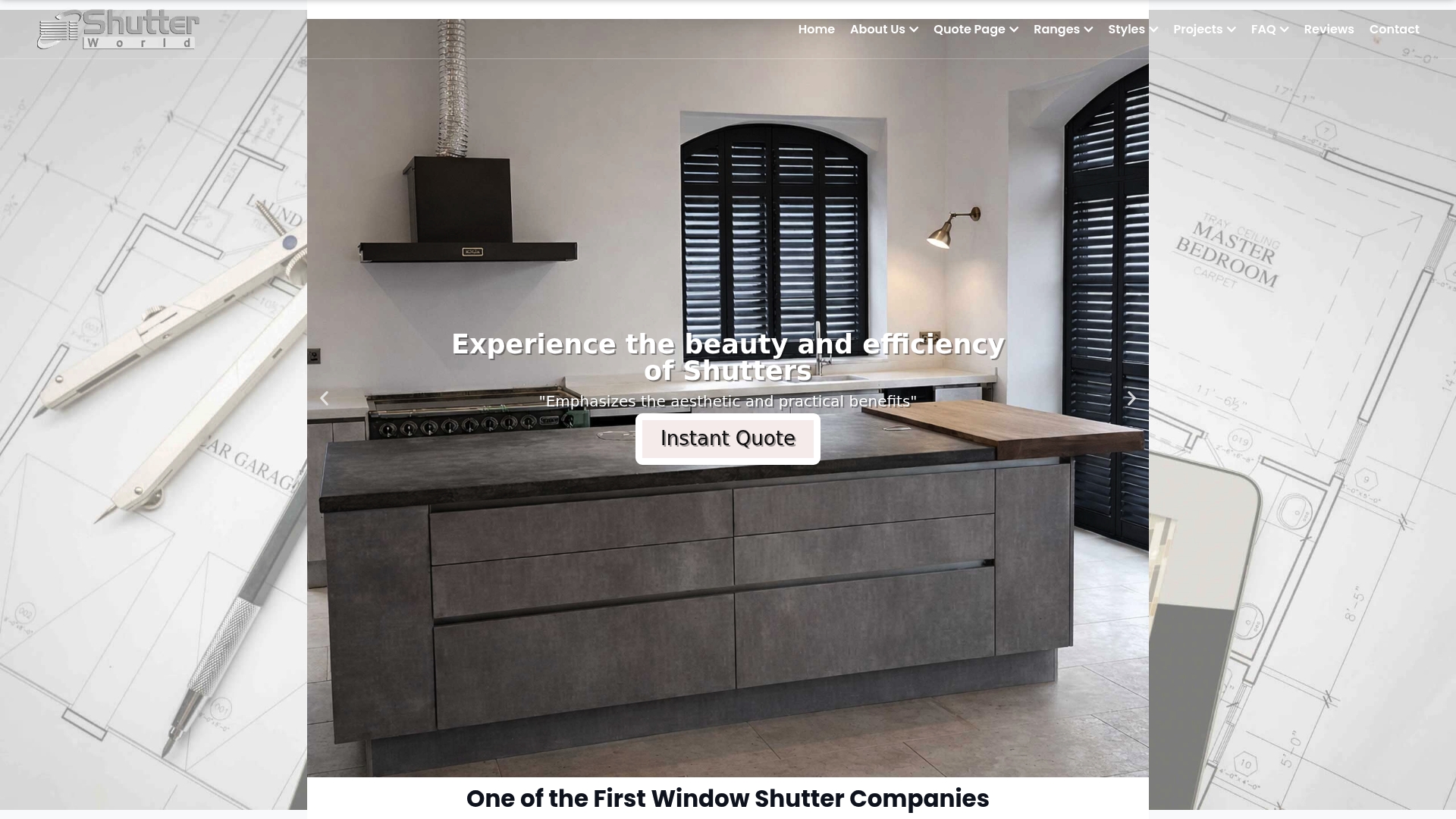
At Shutter World, we offer a complete range of bespoke shutter solutions, from our entry-level Seattle range through to the premium Montana hardwood collection. Our plantation shutters are among the most popular choices for homeowners seeking flexible light and temperature control. Every product we install is made to measure, professionally fitted, and backed by our product and workmanship guarantee. Book your free in-home survey today and discover exactly what the right shutters can do for your home.
Frequently asked questions
Do shutters really make a noticeable difference to my house temperature?
Yes, properly fitted shutters can reduce heat loss by up to 33% in winter, and actively prevent solar gain in summer, delivering a noticeable improvement in room temperature year-round.
Will shutters work with double or triple glazed windows?
Yes, but the degree of heat retention and cooling benefit depends on fit and materials. Research shows that performance varies with glazing type, so high-quality, tailored shutters consistently produce the best results.
Are shutters better for temperature control than curtains or blinds?
Yes. Evidence consistently shows that shutters outperform curtains and blinds for both heat retention and summer cooling, often delivering twice the thermal benefit of standard curtains.
How do I maximise the benefits of window shutters?
Choose custom-fit, well-sealed shutters and ask your installer about material properties suited to your room’s orientation and glazing type, since fit and material choice are the two biggest factors affecting real-world performance.