
How to choose shutters for afternoon sun: UK guide

Shutters for afternoon sun
TL;DR:
- Interior shutters provide superior sun control and insulation compared to curtains or blinds.
- Bespoke, precisely fitted shutters reduce heat gain and UV damage effectively.
- Proper use and maintenance of shutters enhance comfort and energy savings over time.
Most UK homeowners assume that a pair of thick curtains or a standard roller blind is perfectly adequate for keeping afternoon sun at bay. It is a reasonable assumption, but it is also wrong. Afternoon sunlight in the UK, particularly through south and west-facing windows, can raise room temperatures significantly, fade upholstery, and make living spaces genuinely uncomfortable for hours at a time. The good news is that precision-fitted interior shutters address every one of these problems in a way that off-the-shelf window coverings simply cannot match. This guide walks you through the evidence, the key features to look for, and the practical steps to choosing shutters that truly work.
Table of Contents
- Why afternoon sun control matters for UK homes
- How shutters outperform blinds and curtains for sunlight
- What to look for in shutters for afternoon sun
- Maximising comfort and energy savings with shutters
- Why bespoke shutters are the best long-term solution
- Find your perfect shutters for afternoon sun
- Frequently asked questions
Key Takeaways
| Point | Details |
|---|---|
| Shutters block afternoon sun | Close-fitting shutters dramatically reduce glare and heat in sunny rooms. |
| Superior energy performance | Up to 51% heat loss reduction and annual bill savings are possible with quality shutters. |
| Fit is critical | Bespoke, made-to-measure designs outperform generic window treatments. |
| Added privacy and value | Shutters increase privacy and boost long-term property appeal. |
Why afternoon sun control matters for UK homes
Afternoon sun is not merely a comfort issue. It is a home preservation issue. UV rays that stream through unprotected glass can fade carpets, bleach timber flooring, and degrade upholstery fabrics within a matter of months. At the same time, solar heat gain pushes room temperatures upward, forcing you to rely on electric fans or air conditioning to stay comfortable. These are costs that accumulate quietly but consistently.
Did you know? Windows account for 30% of a home’s heat loss or gain, and well-fitted shutters can reduce solar gain by up to 50%.
Standard curtains and blinds struggle to address this effectively. Curtains bunch at the sides, leaving wide gaps where light and heat pour through. Roller blinds sit away from the glass, creating a warm air pocket that still transfers heat into the room. Neither solution offers the close, precise fit that genuinely minimises solar gain.
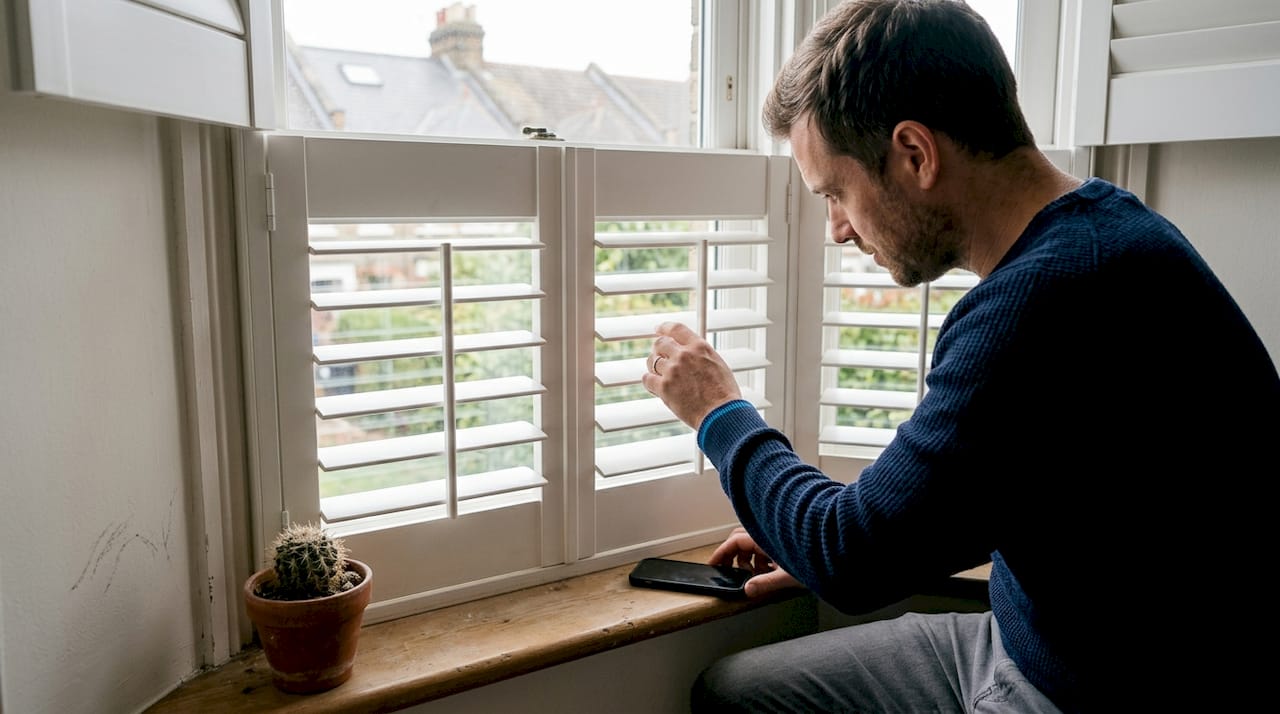
Bespoke interior shutters are engineered differently. They sit flush within the window recess, eliminating side gaps and creating a proper barrier between the glass and your living space. Adjustable louvres allow you to redirect light upward toward the ceiling rather than straight into your eyes, so you keep natural brightness without the glare or heat.
The practical benefits are considerable:
- Reduced UV exposure to furnishings, flooring, and artwork
- Lower room temperatures during peak afternoon hours
- Improved privacy without sacrificing daylight entirely
- Enhanced thermal insulation that works in both summer and winter
- Added property value through a premium, built-in aesthetic
For homeowners investing in quality interiors, protecting those interiors from sun damage is not optional. It is a sensible priority. Exploring energy-efficient shutters designed specifically for UK homes reveals just how much of a difference the right window covering makes over time.
Now that we understand what is at stake with sunlight, let us see how shutters specifically address these challenges.
How shutters outperform blinds and curtains for sunlight
With the basic benefits in mind, it is valuable to measure how shutters actually perform compared to other options.
The performance gap between shutters and traditional window coverings is larger than most people expect. Research shows that shutters reduce heat loss by 28 to 51%, which is considerably superior to blinds or curtains, which typically manage only 14 to 28%. That difference translates directly into lower energy bills and a more consistently comfortable home.
| Window covering | Heat loss reduction | Solar gain reduction | Durability |
|---|---|---|---|
| Bespoke shutters | 28 to 51% | Up to 50% | 20+ years |
| Roller blinds | 14 to 28% | Up to 25% | 5 to 8 years |
| Curtains | 14 to 28% | Up to 20% | 5 to 10 years |
| Ready-made shutters | 15 to 30% | Up to 30% | 10 to 15 years |
The key reason bespoke shutters perform so well is fit. A made-to-measure shutter sits precisely within your window recess, leaving no gaps at the sides, top, or bottom. Blinds, by contrast, are rarely a perfect match for the window opening, and curtains cannot seal the sides at all.
Here is what else sets shutters apart:
- Adjustable louvres let you fine-tune the angle of incoming light throughout the day
- Solid panel options provide complete blackout when needed
- Robust construction means shutters do not warp, fade, or lose tension over time
- Easy cleaning with a simple wipe-down, unlike fabric blinds that trap dust
Pro Tip: When choosing shutters for sunlight control, pay close attention to how the shutter panel meets the frame. Even a small gap of a few millimetres can allow a surprising amount of heat and light to pass through.
Privacy is another area where shutters excel. You can angle the louvres to maintain an outward view while preventing anyone outside from seeing in, something that neither blinds nor curtains can achieve with the same elegance. The shutter insulation benefits extend well beyond simple sun blocking, making them a genuinely multifunctional investment for your home.
What to look for in shutters for afternoon sun
Knowing why quality matters, the next step is to make the right selection for your specific windows.
Not all shutters perform equally when it comes to afternoon sun management. Several specific features determine how effective your shutters will be, and understanding them before you buy saves considerable frustration later.
- Made-to-measure fit. This is the single most important factor. As bespoke shutters outperform off-the-rack designs in every measurable way, prioritising fit and quality is non-negotiable. A shutter that does not fill the window recess precisely will always underperform, regardless of the material.
- Louvre size. Wider louvres (89mm or 114mm) offer a broader view and allow more light control flexibility. Narrower louvres (47mm or 63mm) suit smaller windows and period properties. For afternoon sun, larger louvres give you more precise control over the angle of incoming light.
- Material choice. Hardwood shutters, such as those in our Montana range, offer natural insulating properties and a premium finish. MDF shutters with a polypropylene coating, like our Seattle range, are highly durable and moisture-resistant, making them ideal for kitchens and bathrooms where afternoon sun combines with humidity.
- Tilt mechanism. A central tilt rod gives a classic appearance, while a hidden tilt mechanism offers a cleaner, more contemporary look. Both function equally well for sun control, so this is primarily an aesthetic choice.
- Window orientation and size. South-facing and west-facing windows receive the most intense afternoon sun. For these, we recommend full-height shutters or tier-on-tier designs that allow independent control of the upper and lower panels.
Pro Tip: If your window faces south-west, afternoon sun will track across it for several hours. A tier-on-tier configuration lets you block direct sunlight on the lower panel while keeping the upper panel open for natural light and ventilation.
For an in-depth look at matching shutters to your specific window type, our bespoke shutter guide covers every configuration in detail.
Maximising comfort and energy savings with shutters
With the right shutters in place, there are a few secrets to getting even more benefit. Let us explore how to optimise comfort and savings.
Installing quality shutters is the foundation, but how you use them day to day determines how much value you actually extract. Small adjustments make a meaningful difference to both comfort and running costs.
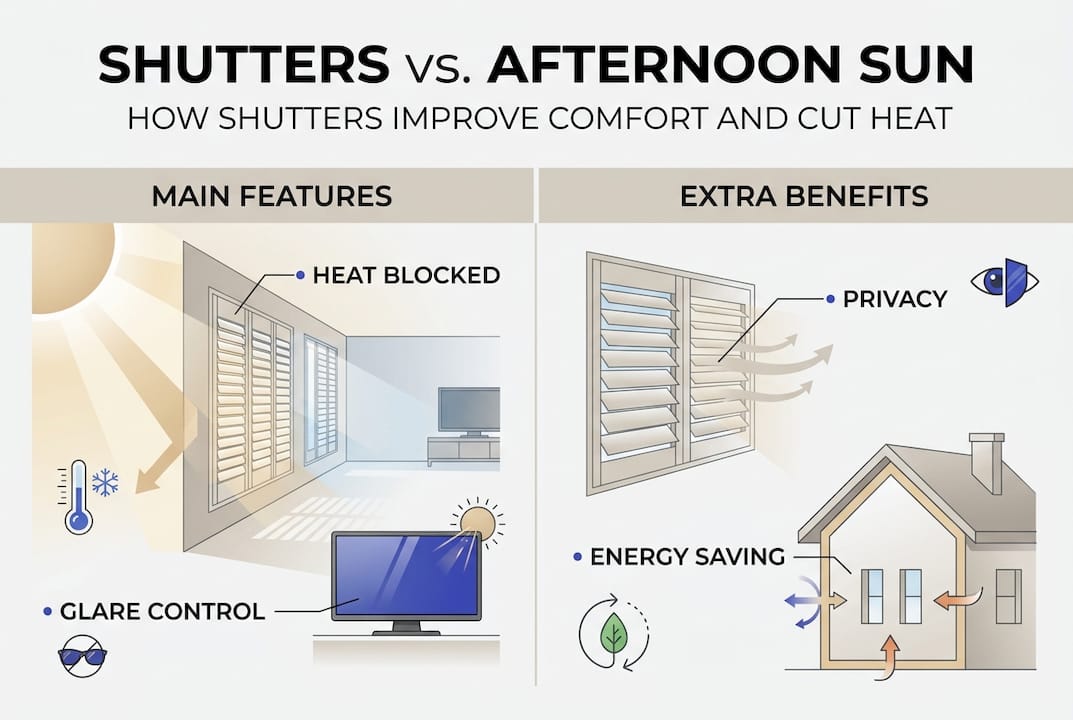
Louvre adjustment throughout the day is the most impactful habit to develop. In the morning, angle louvres upward to bounce soft light across the ceiling, filling the room with brightness without direct glare. As afternoon sun intensifies, tilt louvres downward to deflect heat while still admitting diffused light. In the evening, close them fully for privacy and to retain warmth.
Combining shutters with smart ventilation amplifies the cooling effect considerably. Open windows slightly at the top while keeping shutters partially closed. This draws warm air out at ceiling level while the shutters prevent direct solar gain. It is a simple technique that reduces the need for electric fans.
The financial case for shutters is compelling. Homeowners can save £40 or more annually on energy bills with well-fitted shutters, and that figure grows in homes with large or south-facing glazing.
| Scenario | Estimated annual saving | Payback period |
|---|---|---|
| Standard home, average glazing | £40 to £60 | 8 to 12 years |
| Large south-facing windows | £70 to £100 | 6 to 9 years |
| Conservatory with full shutter fit | £100 to £150 | 5 to 8 years |
For ongoing care, the maintenance routine is refreshingly simple:
- Wipe louvres with a soft, damp cloth weekly
- Dust the frame and panel edges monthly
- Check hinges and tilt mechanisms annually
- Avoid harsh chemical cleaners that can degrade finishes
For further guidance on getting the most from your investment, our pages on energy saving shutters and shutters for energy savings offer practical advice tailored to UK homes.
Why bespoke shutters are the best long-term solution
Understanding the functional benefits is vital, but to make a decision with lasting value, here is a perspective we rarely see addressed openly.
Energy metrics and heat reduction percentages are useful, but they only tell part of the story. In our 25 years of fitting shutters across the UK, we have observed something that the data does not fully capture: the lived experience of a well-shuttered home is qualitatively different from one relying on blinds or curtains.
Homeowners often tell us that they had no idea how much afternoon sun was affecting their daily comfort until it was properly managed. The room feels calmer. Colours look richer because furnishings are no longer bleached. Conversations happen more naturally because people are not squinting or shifting seats to avoid glare.
The contrarian view worth considering is this: the financial payback period is almost irrelevant if you plan to stay in your home for more than a decade. Why shutters are so popular among UK homeowners comes down to something simpler than energy savings. It is the daily quality of life improvement that accumulates quietly, year after year.
Ready-made shutters are a common compromise that we would caution against. The gap between a precisely fitted bespoke shutter and a standard-size alternative is not merely aesthetic. It is functional. Gaps mean heat, glare, and noise intrude in ways that erode the very benefits you are investing in.
Find your perfect shutters for afternoon sun
If you are ready to transform your space and enjoy sunlight on your terms, here is where to begin your journey.
At Shutter World, we believe every homeowner deserves a window solution that is built precisely for their home, not adapted from a standard size. Our plantation shutters are crafted to your exact measurements, ensuring flawless fit and outstanding sun control from day one.
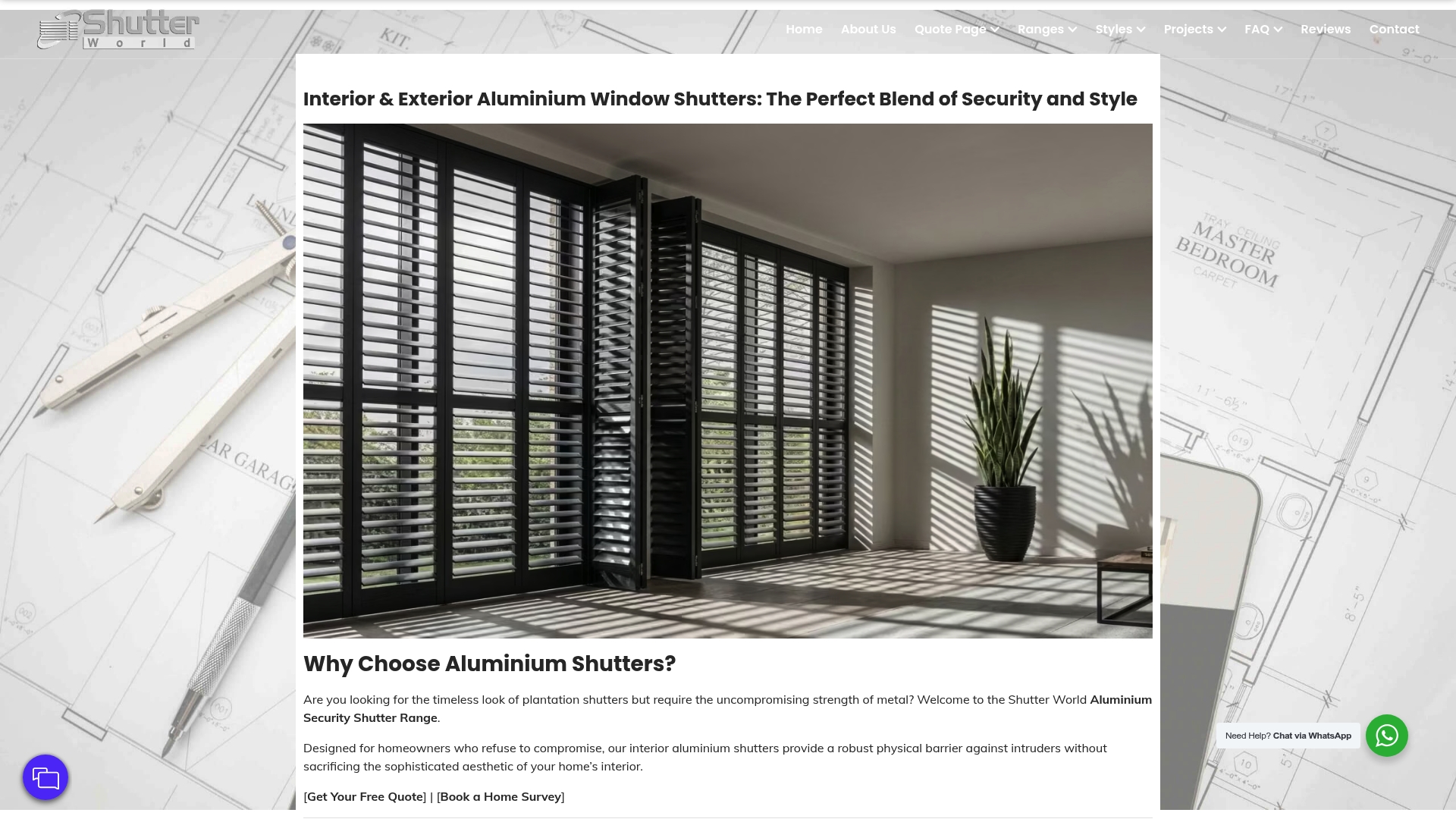
Not sure which style suits your space? Our window shutters ideas gallery showcases real UK homes transformed by bespoke shutters, giving you genuine inspiration for every room and window type. For a sleek, contemporary finish, our aluminium window shutters offer exceptional durability alongside precise light control. Book your free in-home survey today and let our experts guide you to the perfect solution.
Frequently asked questions
What makes shutters effective for afternoon sun?
Shutters block sunlight with a close, precision fit and adjustable louvres, reducing solar gain by up to 50% compared to blinds or curtains that leave gaps and allow heat to transfer freely.
Do shutters save money on energy bills?
Yes. Well-fitted shutters save homeowners £40 or more each year by improving insulation and reducing the solar heat gain that drives up cooling costs in summer.
Are bespoke shutters better than ready-made ones?
Bespoke shutters deliver a precise fit that ready-made alternatives cannot match, and prioritising fit and quality is the single most important factor in achieving real-world performance for sunlight control.
How do I clean and maintain shutters?
Wipe louvres with a soft damp cloth and dust the frame weekly; check hinges and tilt mechanisms once a year to keep everything operating smoothly for decades.
Recommended
- Choosing Shutters for Sunlight Control: A Step-by-Step Guide | Shutter World
- Choosing Shutters for Sunlight: Best Tips for UK Homes 2025 | Shutter World
- How to Install Shutters Safely in UK Home
- Bespoke decorative shutters: expert guide for UK homes
- 5 Outdoor Shading Examples: 30% More Usable UK Spaces 2026