
Innovative shutter features every homeowner should know

TL;DR:
- Modern shutters now incorporate advanced materials, smart technology, and energy-saving features that enhance home functionality. They provide superior insulation, custom shapes, and automation options, transforming window treatments into integrated architectural elements. Proper material selection, professional installation, and thoughtful design maximize benefits, long-term value, and energy efficiency.
Shutters have long been considered a purely traditional choice, something you add for kerb appeal and leave at that. That thinking is well behind the times. Today’s innovative shutter features span photovoltaic energy generation, motorised smart home integration, and precision-engineered materials that outperform fabric blinds in every measurable way. Whether you are renovating a period property or designing a contemporary open-plan space, the right shutter does far more than frame a window. This guide covers what genuinely matters: the materials, technologies, and energy-saving designs that make modern shutters one of the most versatile investments you can make in your home.
Table of Contents
- Key takeaways
- What innovative shutter features actually look like today
- Smart and motorised shutters
- Energy-efficient shutter designs that work harder
- Practical guidance for homeowners
- My take on choosing shutters that genuinely perform
- Discover Shutterworld’s bespoke shutter range
- FAQ
Key takeaways
| Point | Details |
|---|---|
| Materials have evolved significantly | Composites and PVC now resist UV, warping, and moisture far better than older shutter materials. |
| Smart tech is now accessible | Motorised shutters integrate with platforms like Alexa and Matter for automated, remote light control. |
| Energy savings are measurable | Photovoltaic shutters can provide up to 90% more thermal protection compared to standard fabric shades. |
| Installation complexity varies | Professional fitting is required for motorised and structurally complex shutters to meet building codes. |
| Functionality adds home value | Properly scaled functional shutters with quality hardware deliver lasting architectural depth over decorative alternatives. |
What innovative shutter features actually look like today
Most homeowners picture plantation shutters in white paint when they think of interior shutters. That image is accurate but incomplete. The category has expanded dramatically, and the best advanced window shutter options now combine premium material engineering with design precision that simply was not possible a decade ago.
Materials built for the long term
The material question matters more than most buyers realise. Composite and PVC shutters are engineered with advanced UV inhibitors that prevent the yellowing and warping seen in cheaper off-the-shelf products, making them an excellent choice for sun-facing rooms and humid environments like bathrooms or kitchens. At the same time, real hardwood retains a distinct advantage for weight-sensitive installations. Real wood shutters are lighter than many composites, which matters greatly for large or arched windows where excessive weight causes gradual frame sagging over the years.
Choosing between them is not simply a question of budget. It requires thinking about your window type, room humidity, and how much direct sunlight the shutter will absorb daily. A specialist guide on shutter materials for UK homes can help you match the right option to your specific circumstances.
Custom shapes and precision craftsmanship
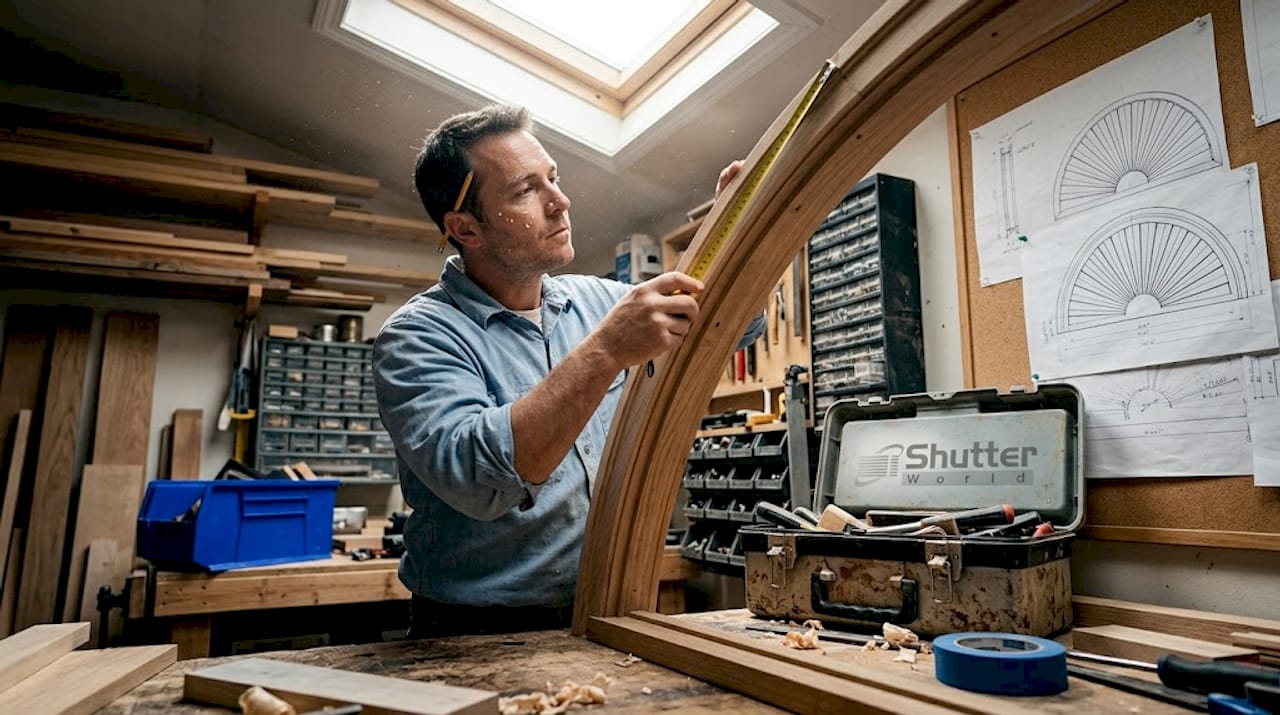
One of the most exciting areas of modern shutter design is the bespoke manufacture of complex shapes. Arched, sunburst, triangular, and angled windows all present real challenges for standard window treatments, yet they are precisely where shutters excel. Precision crafting of custom arched shutters uses CAD technology combined with artisanal hand-finishing to deliver a perfect fit, structural rigidity, and smooth operation for decades of use. This is craftsmanship built into the fabric of your home, not a temporary solution.
Colour technology has also moved forward considerably. Beyond the traditional white and off-white palette, you can now specify vibrant shades matched to exterior paintwork or interior schemes, giving your shutters a genuinely integrated feel rather than an afterthought.
Pro Tip: When choosing a colour for bespoke shutters, request a physical sample against your wall in both natural daylight and artificial evening light. Colours behave very differently depending on the light source, and what looks perfect on a screen can read quite differently in your actual room.
Smart and motorised shutters
The integration of motorisation into shutter design is where unique shutter functionalities become genuinely transformative for daily life. The clearest benefit is convenience for windows that are physically awkward to reach: skylights, high-level glazing in stairwells, or large conservatory panels that would otherwise require a ladder and considerable effort to adjust.
Beyond convenience, the security dimension is significant. Smart shutter systems now commonly integrate with popular smart home hubs including Alexa and Matter, allowing you to schedule your shutters to close automatically at dusk or open at sunrise without lifting a finger. For households with young children, motorised shutters eliminate the need for cords entirely.
Here is what smart shutter technology currently makes possible:
- Remote operation via smartphone, tablet, or voice command from anywhere in the home
- Automated scheduling to control light levels throughout the day without manual adjustment
- Integration with security systems so shutters close automatically when an alarm is triggered
- Switchable glass technology, such as C-Power enabled panels, which shift from clear to opaque at the touch of a button and default to opaque when power is off for fail-safe privacy
- Building-wide automation where all shutters respond as a single system during storms or periods of absence
If you are considering remote control shutters for your home, the key decision points are window accessibility, whether you want whole-home integration, and the structural requirements of your chosen system.
Energy-efficient shutter designs that work harder
This is perhaps the area where modern shutter technology surprises homeowners most. Shutters have always offered better insulation than curtains or blinds, but energy-efficient shutter designs have progressed well beyond passive insulation.
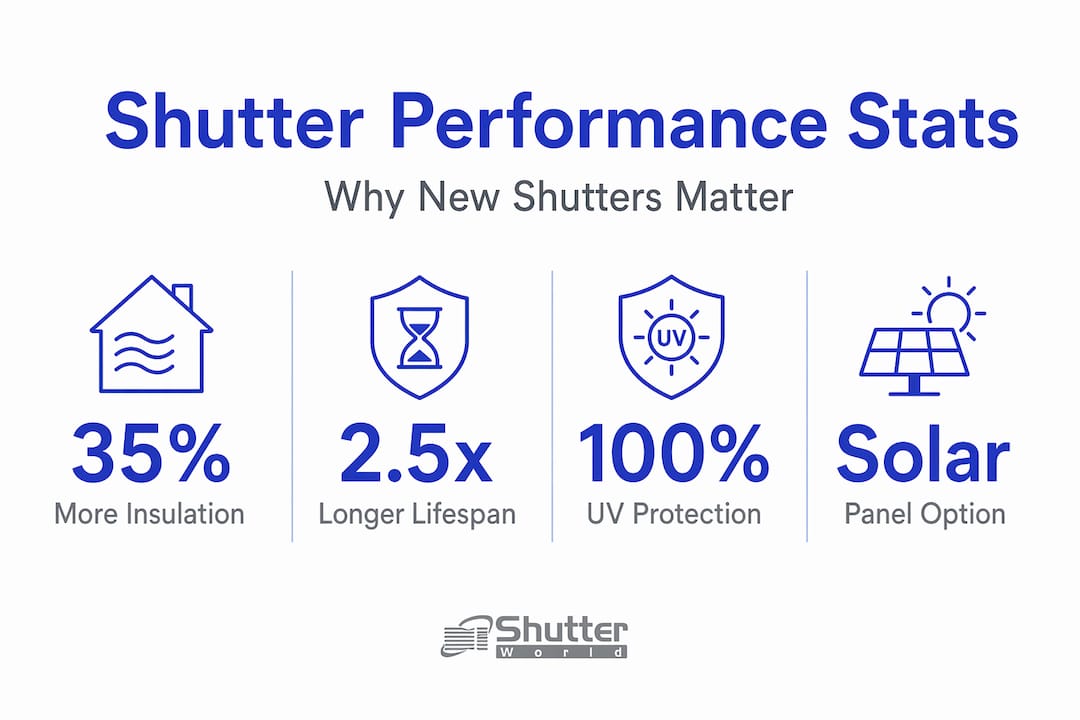
The most striking example is the SolarSlide photovoltaic sliding shutter, which incorporates solar panels directly into the shutter panel. These systems provide up to 90% better thermal protection than standard sunscreen fabric shades while simultaneously generating usable electricity. The window, in effect, becomes an active part of your home’s energy infrastructure.
| Shutter type | Thermal performance | Energy generation | Best application |
|---|---|---|---|
| Standard fabric blind | Baseline | None | Low-priority rooms |
| Composite interior shutter | Good insulation | None | Kitchens, bathrooms |
| Premium hardwood shutter | Excellent insulation | None | Living rooms, bedrooms |
| Photovoltaic sliding shutter | Up to 90% above baseline | Yes, active generation | South-facing façades |
For most UK homeowners, the practical gain from conventional shutters is still meaningful. A well-fitted hardwood or composite shutter creates a sealed air gap between the glazing and the room, reducing heat loss in winter and limiting solar gain in summer. Over a full year, this reduces reliance on heating and cooling, which lowers both utility costs and your home’s carbon footprint.
Pro Tip: For south-facing rooms with significant glazing, pairing energy-efficient interior shutters with secondary glazing is one of the most cost-effective thermal upgrades you can make before considering a full window replacement. The shutter handles daytime solar control; the secondary glazing addresses night-time heat loss.
Materials with UV inhibitors also protect your flooring, furniture, and fabrics from sun-bleaching, extending the life of your interior finishes. This is a benefit rarely mentioned in energy conversations, but it represents real long-term savings. Explore how energy-efficient interior shutters can transform both comfort and running costs in your home.
Practical guidance for homeowners
Understanding what is possible is only half the picture. Choosing the right combination of features requires thinking carefully about your specific windows, your home’s environment, and your budget.
- Assess your room conditions first. Bathrooms, utility rooms, and kitchens need moisture-resistant materials. PVC and high-grade composites are purpose-built for these spaces. Standard MDF shutters, however well finished, will deteriorate faster in persistent humidity.
- Consider your window shape honestly. Bay windows, arched frames, and skylights all require bespoke manufacture rather than standard sizing. For complex windows, explore bespoke shutters for unusual shapes to understand your options before requesting a quote.
- Budget realistically for motorisation. Professional installation costs for motorised or heavier shutter systems typically run considerably higher than standard fitting. The investment reflects both the technology and the specialist knowledge required to install it correctly.
- Never skip professional installation for complex systems. Motorised and hurricane-rated shutters often require professional permitting and structural assessments. DIY installations frequently fail to meet building codes, which can create problems with home insurance validity.
- Think about long-term value, not just upfront cost. Functional, properly scaled shutters with quality hardware add genuine architectural depth and contribute to property value in a way that mass-produced blinds simply cannot replicate.
The best approach is to treat your shutter selection as a considered design decision rather than a purchasing exercise. Match materials to climate, technology to lifestyle, and craftsmanship to the architectural character of your home.
My take on choosing shutters that genuinely perform
I’ve spent years working alongside homeowners who approach shutters as a finishing touch and then discover, after the fact, that they could have had something far more purposeful. The most common regret I hear is choosing a decorative shutter over a functional one to save money upfront, only to find it looks out of proportion, operates poorly, or starts to deteriorate within a few years.
My honest view: the gap between a well-specified shutter and a poorly specified one is larger than almost any other window treatment decision you will make. Materials, louvre size, panel configuration, and hardware all interact in ways that affect how the shutter looks, how it works, and how long it lasts. Getting even one of those wrong is expensive to correct.
On the question of smart technology, I think many homeowners underestimate how useful it becomes once it is installed. The ability to schedule shutters around your daily routine, or to close every window in the house from your phone before a storm, is genuinely useful rather than a novelty. As home automation matures, a motorised shutter system installed today will only become more capable as the platforms it connects to develop further.
The feature I find most underrated? Good hardware. Tilt rods, hinges, and panel frames that operate with precision every single day, for years, are what separate a shutter worth having from one that merely looks the part in a showroom.
— Ken
Discover Shutterworld’s bespoke shutter range
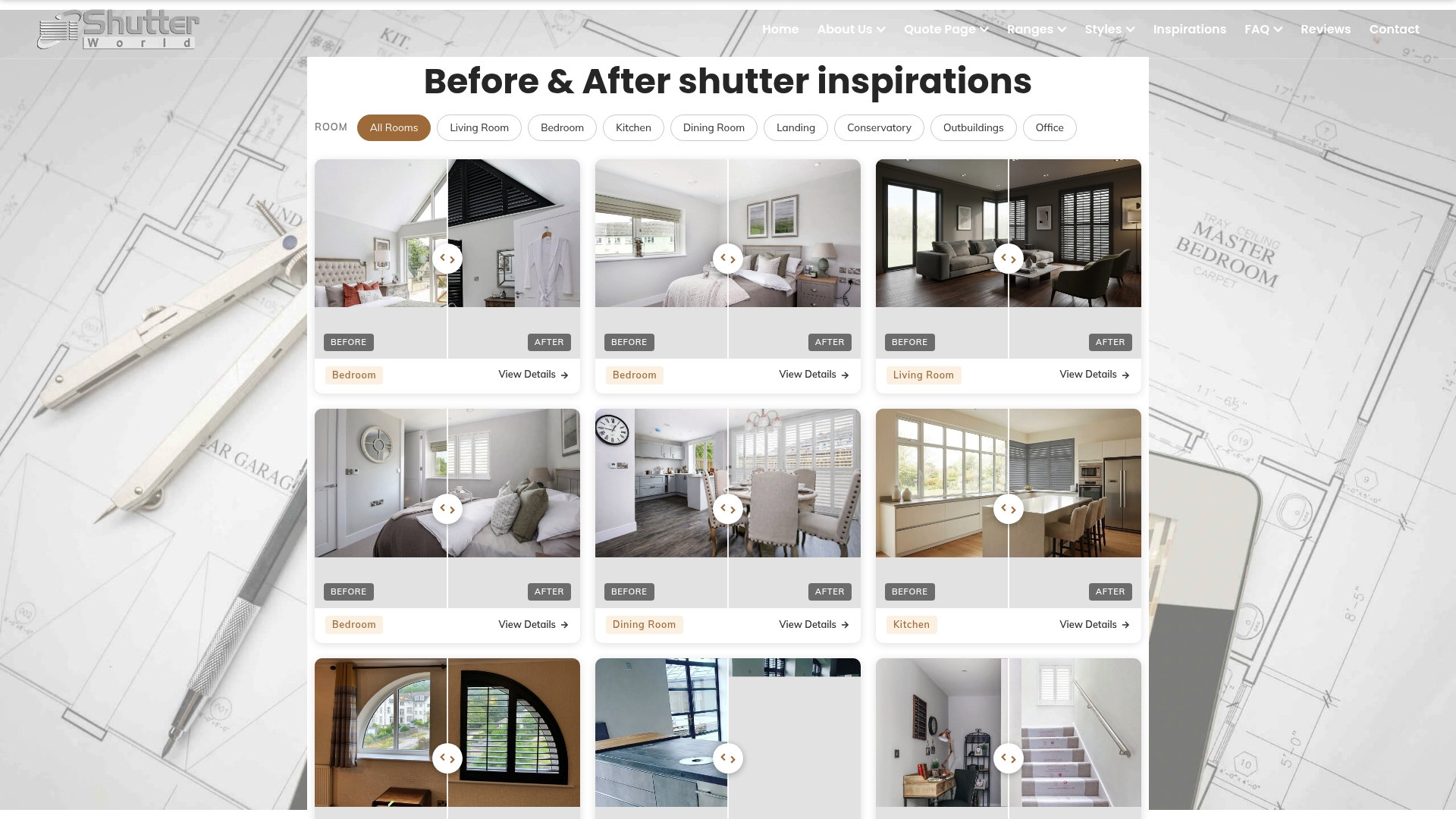
If reading about these possibilities has prompted you to think seriously about what your windows could be doing for your home, Shutterworld is the natural next step. With over 25 years of experience crafting made-to-measure shutters for UK homes, Shutterworld brings genuine expertise to every project, from straightforward plantation shutter installations to complex arched and bay window solutions that require precision bespoke engineering.
Every Shutterworld project begins with a professional in-home survey and ends with expert installation backed by product and workmanship guarantees. Browse the full plantation shutter range to explore materials, colours, and configurations, or request a free quote to find out exactly what a bespoke solution would cost for your home. Your satisfaction is the priority from the very first conversation.
FAQ
What are innovative shutters?
Innovative shutters incorporate advanced materials, smart technology, and energy-saving features beyond traditional decorative designs. They include motorised systems, UV-resistant composites, and photovoltaic models that actively generate electricity.
How do energy-efficient shutter designs reduce heating costs?
A well-fitted shutter creates a sealed air gap between your glazing and the room, significantly reducing heat loss in winter and solar gain in summer. Photovoltaic models provide up to 90% more thermal protection than fabric shades, with the added benefit of generating energy.
Can shutters integrate with smart home systems?
Yes. Motorised shutters are now compatible with platforms such as Alexa and Matter, enabling remote control, automated scheduling, and integration with broader home security and automation systems.
What materials are best for humid rooms?
PVC and composite shutters are the strongest choice for bathrooms, kitchens, and utility rooms. Composite shutters with UV inhibitors resist moisture, warping, and yellowing far better than standard MDF options.
Do motorised shutters require professional installation?
In most cases, yes. Motorised systems and structurally complex shutters often require professional assessment to meet building regulations, and DIY installations can invalidate home insurance if they fail to comply with applicable codes.