
Shutters and Windows: Transforming Fit, Function, and Style

Shaping a distinctive home in West Yorkshire can be challenging when your windows do not follow standard designs. Non-standard window shapes often leave homeowners searching for the perfect balance between eye-catching style and reliable performance. Finding the right solution means more than just covering a window—it is about achieving both functional enhancement and lasting visual harmony. Bespoke shutters are designed as the precise answer for unique architectural needs, combining flawless fit with improved light control and insulation.
Table of Contents
- What Defines the Relationship Between Shutters and Windows
- Types of Interior Shutters for Windows Explained
- How Bespoke Shutters Enhance Non-Standard Windows
- Functional Impact: Insulation, Light, and Privacy
- Common Mistakes and How to Avoid Them
Key Takeaways
| Point | Details |
|---|---|
| Shutter Functionality | Shutters are essential for light control, privacy, and enhancing thermal performance in homes. |
| Types of Shutters | Various shutter types cater to different room needs, including light blockage and aesthetic preferences. |
| Bespoke Solutions | Bespoke shutters offer custom designs for non-standard windows, preserving architectural integrity and improving insulation. |
| Professional Consultation | Engaging professionals for measurements and design is crucial to avoid common installation mistakes and ensure optimal performance. |
What Defines the Relationship Between Shutters and Windows
The relationship between shutters and windows is a nuanced architectural dance of form and function, deeply rooted in historical design principles and contemporary home improvement strategies. Windows provide the essential structural opening that allows light, ventilation, and visual connection to the external environment, while shutters serve as dynamic architectural elements that enhance, protect, and transform these openings.
Historically, shutters were not merely decorative accessories but integral components of window design. Historic window shutter development reveals how these architectural elements evolved to meet critical practical needs. Shutters provided essential functions like:
- Light control and modulation
- Enhanced privacy and security
- Temperature regulation
- Protection from external elements
- Architectural aesthetic enhancement
In contemporary home design, the symbiosis between shutters and windows has become even more sophisticated. Modern shutters are precision-engineered to complement window structures, maximising both aesthetic appeal and functional performance. The British Blind and Shutter Association highlights that proper shutter design directly impacts key home performance metrics, including energy efficiency, shading capabilities, and overall visual harmony.
The fundamental connection between shutters and windows is defined by three core principles: structural compatibility, functional alignment, and aesthetic integration. Structural compatibility ensures that shutters are precisely measured and fitted to window reveals, creating a seamless visual and operational relationship. Functional alignment means the shutters enhance the window’s inherent capabilities, whether that involves light management, thermal insulation, or privacy control.

Pro tip: When selecting shutters, always prioritise precise measurements and professional consultation to ensure optimal window-shutter integration.
Types of Interior Shutters for Windows Explained
Interior shutters represent a diverse and sophisticated window treatment solution, offering homeowners an exceptional blend of aesthetic appeal and functional versatility. Interior shutter configurations have evolved dramatically, providing multiple options to suit different architectural styles, room requirements, and personal preferences.
Traditional interior shutter types include:
- Louvered Shutters: Featuring angled slats that can be adjusted for light and privacy control
- Solid Panel Shutters: Providing complete light blockage and enhanced insulation
- Cafe-Style Shutters: Covering only the lower half of windows, offering partial privacy
- Tier-on-Tier Shutters: Featuring independent top and bottom panels for flexible light management
- Tracked Shutters: Designed for sliding configurations, ideal for larger window openings
Historical research reveals fascinating insights into shutter development. Georgian-era designs demonstrate remarkable ingenuity in creating intricate window shutter arrangements, with sophisticated sliding and folding mechanisms that allowed precise light and ventilation control. These historical approaches continue to inspire contemporary shutter design, emphasising the importance of functional aesthetics.
Modern interior shutters are engineered with precision, considering factors like thermal efficiency, acoustic performance, and design flexibility. Each shutter type offers unique benefits, allowing homeowners to select solutions that perfectly complement their interior spaces, window configurations, and personal style preferences.
Here’s a quick comparison of common interior shutter types and their suitability for various room environments:
| Shutter Type | Best Room Application | Light Control Level | Maintenance Requirements |
|---|---|---|---|
| Louvered | Living rooms, bedrooms | Adjustable, moderate | Occasional dusting needed |
| Solid Panel | Bedrooms, home offices | Total blackout, high | Low, wipe panels weekly |
| Cafe-Style | Kitchens, dining areas | Partial, lower half | Regular cleaning, easy |
| Tier-on-Tier | Flexible spaces | Independent, versatile | Moderate, panel care |
| Tracked | Large windows, patios | Varied, sliding panels | Periodic track cleaning |
Pro tip: Consult professional shutter specialists to assess your specific window dimensions and architectural characteristics before selecting a shutter style.
How Bespoke Shutters Enhance Non-Standard Windows
Non-standard windows present unique challenges that demand extraordinary design solutions. Bespoke shutter configurations provide homeowners with precisely engineered window treatments that transform challenging architectural features into stunning design opportunities.
Key advantages of bespoke shutters for non-standard windows include:
- Precise Measurements: Custom-fitted to irregular window shapes
- Architectural Preservation: Maintaining original window character
- Enhanced Thermal Performance: Minimising heat loss in unique window configurations
- Improved Light Control: Tailored solutions for complex window designs
- Aesthetic Flexibility: Matching individual home style requirements
Historical window shutter techniques demonstrate remarkable craftsmanship in addressing architectural complexity. Traditional approaches involved intricate custom measurements and sophisticated mechanical designs that enabled shutters to integrate seamlessly with unusual window structures, a practice that continues to inspire modern bespoke shutter manufacturing.
Modern bespoke shutters represent a sophisticated fusion of traditional craftsmanship and contemporary engineering. Precision manufacturing enables shutters to be created for windows with unique characteristics such as arched tops, triangular shapes, bay window configurations, and extreme angles. This level of customisation ensures that even the most challenging window designs can be transformed with elegant, functional window treatments.

To summarise, here’s how bespoke shutters address architectural challenges versus standard shutters:
| Suitability Aspect | Bespoke Shutters | Standard Shutters |
|---|---|---|
| Fit for unique windows | Tailored to any shape or size | Limited to regular shapes |
| Preservation of style | Matches original architecture | May compromise aesthetics |
| Performance enhancement | Optimised for specific needs | General improvement only |
| Installation complexity | Requires expert measurement | Usually simple to install |
Pro tip: Obtain professional measurements and detailed architectural assessments before commissioning bespoke shutters to guarantee perfect integration with your unique window design.
Functional Impact: Insulation, Light, and Privacy
Shutters represent far more than aesthetic window coverings; they are sophisticated architectural solutions that dramatically transform a home’s functional performance. Historic building insulation techniques demonstrate how carefully designed shutters can significantly enhance a property’s thermal efficiency and living comfort.
Key functional benefits of high-quality shutters include:
- Thermal Regulation: Creating an additional barrier against heat loss
- Light Management: Precise control over natural illumination
- Privacy Protection: Comprehensive visual screening options
- Sound Absorption: Reducing external noise transmission
- Energy Cost Reduction: Minimising heating and cooling expenses
Low carbon building strategies highlight the critical role of precision engineering in shutter design. By creating an airtight seal around window frames, shutters can reduce thermal bridging and prevent unwanted heat transfer, resulting in more stable internal temperatures and improved energy performance.
Modern shutter technologies offer nuanced control over environmental factors. Advanced materials and intelligent design allow homeowners to adjust light penetration, maintain privacy, and regulate internal temperatures with unprecedented sophistication. This multifunctional approach transforms windows from passive architectural elements into dynamic, responsive home management systems.
Pro tip: Consider professional thermal imaging assessments to understand precisely how shutters can optimise your home’s energy performance.
Common Mistakes and How to Avoid Them
Navigating the world of window shutters requires careful consideration and strategic planning. Common installation mistakes can transform what should be an excellent home improvement project into a costly and frustrating experience.
The most frequent errors homeowners encounter include:
- Incorrect Measurements: Failing to take precise window dimensions
- Material Mismatches: Selecting inappropriate shutter materials for specific environments
- Overlooking Ventilation: Blocking essential air circulation
- Neglecting Safety Standards: Ignoring regulatory compliance requirements
- Poor Professional Consultation: Avoiding expert guidance during selection
Window installation complaint resolution highlights the critical importance of proactive communication and thorough understanding before making final decisions. Homeowners frequently underestimate the complexity of shutter selection, assuming a one-size-fits-all approach will suffice.
Understanding these potential pitfalls requires a nuanced approach. Professional consultation becomes paramount, ensuring that shutters are not just aesthetically pleasing but functionally superior. This means considering factors like window orientation, local climate conditions, architectural style, and specific room requirements before making a final selection.
Pro tip: Always request multiple professional measurements and comparative quotes to ensure comprehensive understanding of your specific window requirements.
Elevate Your Windows with Bespoke Shutters That Truly Fit
The article highlights the importance of precise measurements, bespoke solutions, and functional alignment between shutters and windows to enhance both style and performance. If you struggle with irregular window shapes or want to maximise privacy, light control, and insulation in your home, Shutter World offers expertly crafted shutters tailored just for you. We understand how crucial it is to transform complex window designs into elegant and efficient features, delivering exceptional value and comfort.
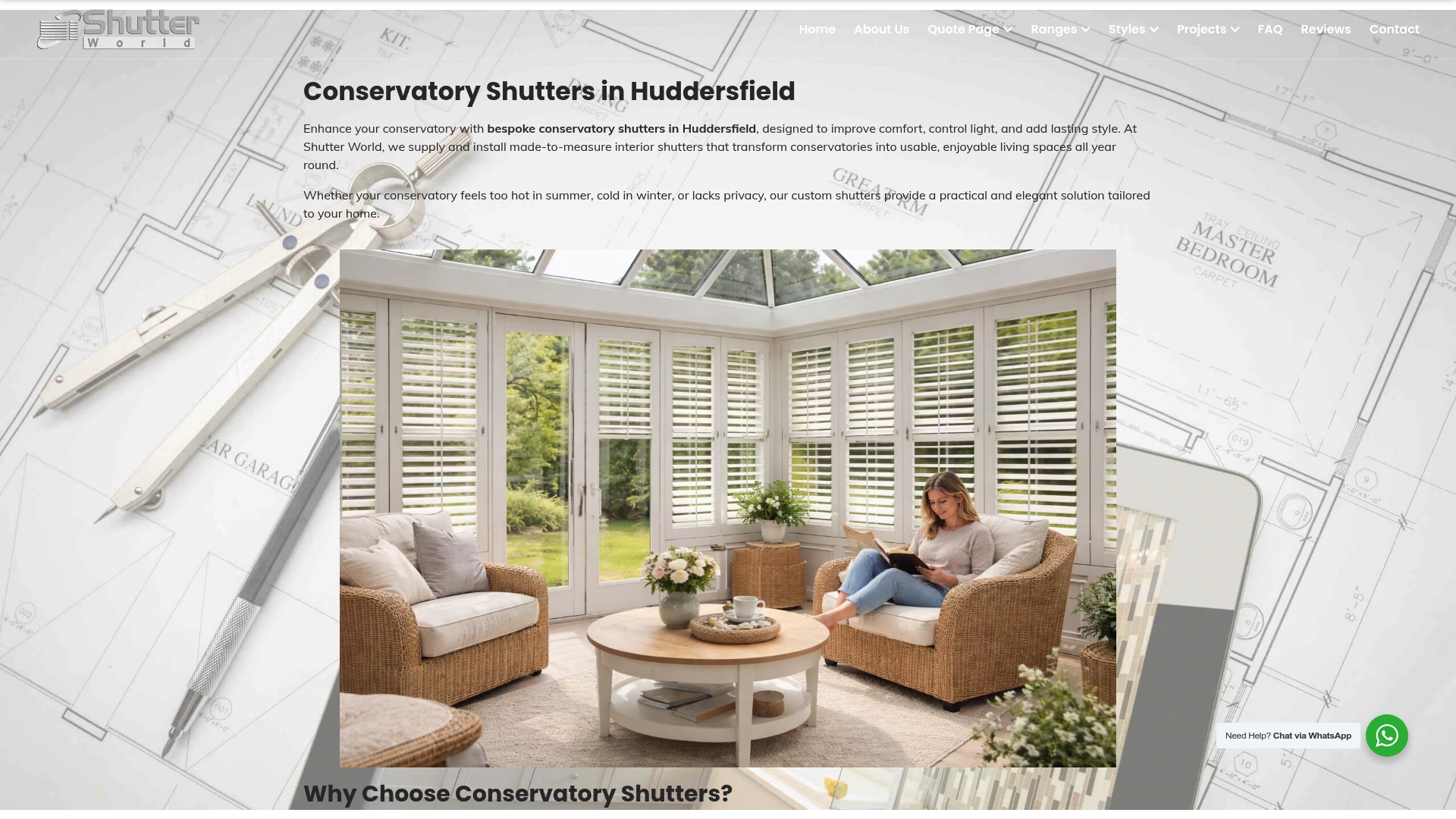
Discover how our extensive expertise in custom shutters for unique settings like conservatories and bay windows can solve common pain points such as poor fit, inadequate insulation, and aesthetic mismatch. With over 25 years of experience serving homeowners in West Yorkshire and beyond, we bring precision craftsmanship and a full-service approach from survey to installation.
Choose from our premium range including the durable Seattle series or the luxurious Montana hardwood shutters. Each product is designed to fit your home’s architecture perfectly, improving thermal regulation, light management, and privacy at once.
Ready to see how made-to-measure shutters can transform your home? Explore our West Yorkshire shutters Archives | Shutter World for inspiration or learn more about our bespoke options in the Ossett Plantation shutters Archives | Shutter World. For detailed information and a free survey, visit our main site at Shutter World and take the first step toward flawless window solutions today.
Frequently Asked Questions
What is the relationship between shutters and windows?
Shutters and windows work together to enhance both the aesthetic and functional aspects of a home. Windows provide openings for light and ventilation, while shutters offer light control, privacy, security, and thermal insulation, creating a harmonious relationship between the two.
What are the different types of interior shutters available?
Interior shutters come in various types, including louvered shutters for adjustable light control, solid panel shutters for complete darkness, café-style shutters for partial coverage, tier-on-tier shutters for versatility, and tracked shutters for larger openings. Each type offers unique benefits suited to different room environments.
How do bespoke shutters benefit non-standard windows?
Bespoke shutters are custom-fitted to accommodate unique window shapes, preserving the original architectural character. They offer enhanced thermal performance, tailored light control, and aesthetic flexibility, making them ideal for challenging window designs.
What common mistakes should I avoid when installing shutters?
Avoid errors such as incorrect measurements, material mismatches, overlooking necessary ventilation, neglecting safety standards, and not consulting professionals. These mistakes can complicate the installation process and affect the functionality of your shutters.
Recommended
- Shutters and Home Style: Enhance Any Space in 2025 | Shutter World
- Shutter Styles for Modern Interiors: 2025 Guide for UK Homes | Shutter World
- Shutter Styles Explained: Understanding Types and Benefits | Shutter World
- What Are Shutters? A Guide for UK Homes & Renovations 2025 | Shutter World
- Bringing Life to Your Home: How to Style Houseplants for Every Room Ae