
Shutter Frame Construction Guide for UK Homes 2025


Shutter frame construction
Shutter frames are shaping British homes in ways few people notice, and the latest options blend tradition with high-tech design. Most assume the sturdy panels matter most, but the reality is quite the opposite. The frame does all the heavy lifting, and a precisely measured shutter frame can boost a window’s insulation by up to 35 % and even change a room’s feel entirely. What really surprises is how simple tweaks in material and installation can make shutters last twice as long or work better in the quirky corners of any UK property.
Table of Contents
- Understanding Shutter Frame Construction Basics
- Choosing Materials And Styles For UK Properties
- Installation Tips For Plantation Shutter Frames
- Maintenance Advice For Long-Lasting Shutters
Quick Summary
| Takeaway | Explanation |
|---|---|
| Core Components | A robust shutter frame consists of stiles, rails, and a frame profile, which determine durability and aesthetics. |
| Material Selection | Choose materials based on thermal performance, moisture resistance, and structural integrity to ensure longevity and functionality. |
| Installation Precision | Accurate measurements and tailored mounting strategies are essential for successful shutter frame installation, impacting both appearance and performance. |
| Routine Maintenance | Consistent cleaning and material-specific care are vital for prolonging the lifespan and maintaining the appearance of shutters. |
| Professional Assistance | Engaging experts for both installation and maintenance can help navigate architectural challenges and ensure optimal functionality. |
Understanding Shutter Frame Construction Basics
Shutter frame construction forms the critical structural foundation for window shutters, serving as the essential framework that determines durability, functionality, and aesthetic appeal. Understanding these basics enables homeowners and professionals to make informed decisions about interior window treatments.
Core Components of Shutter Frame Design
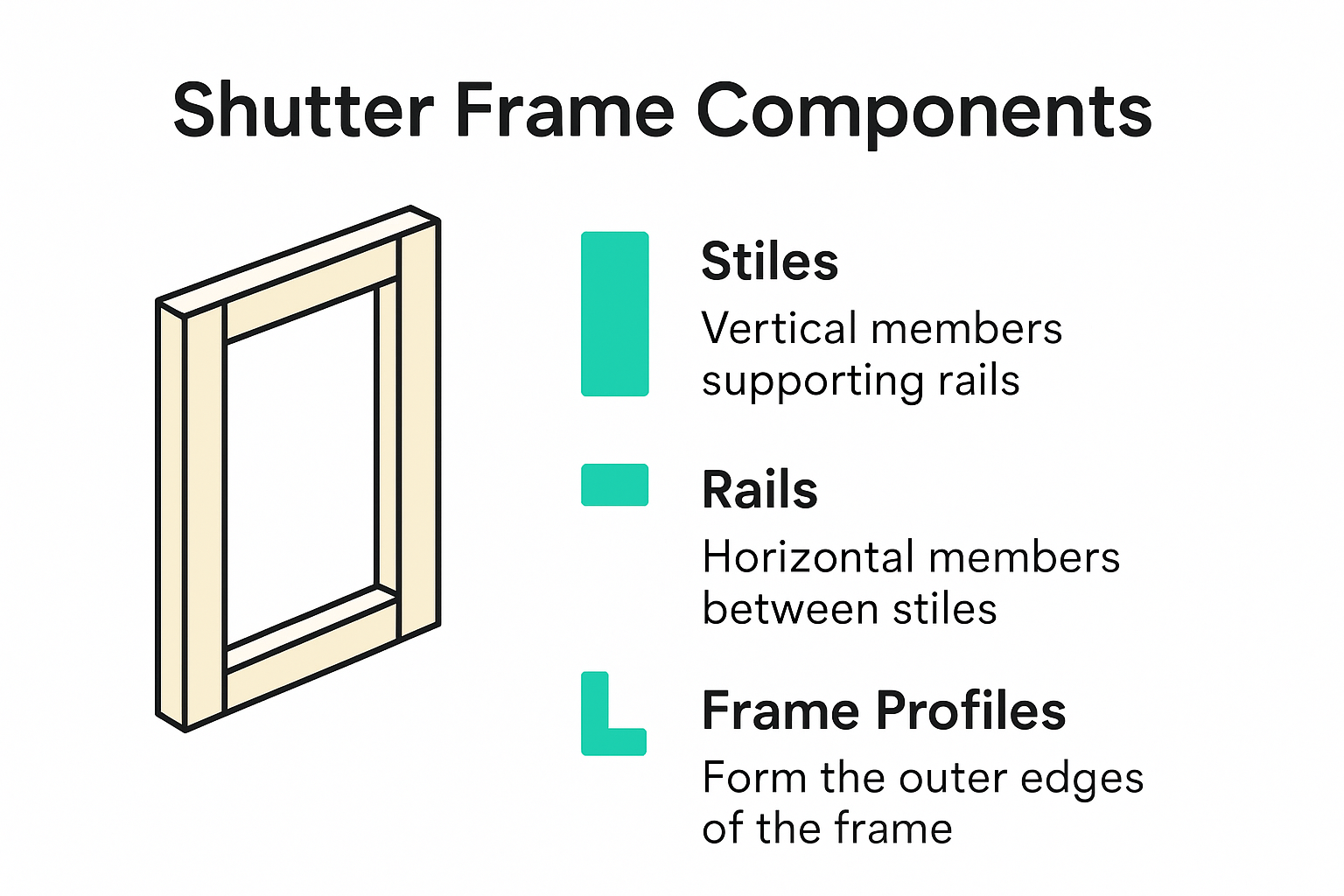
A robust shutter frame consists of several interconnected components that work together to create a stable and attractive window covering. The primary structural elements include the stiles (vertical sides), rails (horizontal top and bottom sections), and the frame profile that determines overall shape and mounting capabilities. These components are typically crafted from materials like hardwood, aluminium, or composite materials, each offering unique performance characteristics.
The precision of frame construction directly impacts the shutter’s long-term performance. According to the National Institute of Standards and Technology, dimensional accuracy and material selection are crucial factors in creating a frame that withstands environmental variations and maintains structural integrity.
Material Selection and Performance Considerations
Choosing the right material for shutter frame construction requires careful evaluation of several key factors. Hardwood frames provide traditional elegance and natural insulation properties, while aluminium offers superior strength and resistance to moisture. Composite materials represent a modern solution that combines durability with lightweight characteristics.
Research from the International Code Council highlights the importance of selecting materials that meet stringent building performance standards. These standards assess factors like thermal efficiency, structural stability, and resistance to environmental stressors.
The selection process involves considering several critical parameters:
- Thermal Performance: Materials that provide effective insulation
- Moisture Resistance: Ability to withstand humidity and temperature fluctuations
- Structural Integrity: Long-term dimensional stability and strength
Moreover, homeowners can explore advanced shutter frame options that blend aesthetic appeal with technical sophistication. The right frame construction not only enhances window appearance but also contributes to energy efficiency and interior comfort.
Professional installation remains paramount in translating high-quality frame design into practical performance. Precise measurements, expert mounting techniques, and understanding of structural requirements ensure that shutter frames deliver optimal functionality and visual appeal for UK homes in 2025 and beyond.
To help readers compare the main shutter frame materials discussed, the following table summarises their key properties and suitability for UK homes.
| Material | Key Features | Performance Considerations | Suitability for UK Climate |
|---|---|---|---|
| Hardwood | Traditional elegance, strong, natural insulation | Susceptible to moisture, requires treatment | Excellent in dry/controlled areas |
| Aluminium | Superior strength, lightweight, corrosion resistant | Low maintenance, modern appearance | Ideal for humid or coastal areas |
| Composite | Durable, moisture resistant, combines wood/plastic | Low weight, enhanced longevity | Good for all UK environments |
Choosing Materials and Styles for UK Properties
Selecting the appropriate materials and styles for shutter frames requires a nuanced understanding of architectural aesthetics, functional requirements, and regional design preferences specific to UK properties. The decision involves balancing visual appeal, performance characteristics, and long-term durability.
Material Considerations for British Home Environments
Material selection for shutter frames in UK properties demands careful evaluation of environmental challenges unique to the British climate. Moisture resistance, thermal performance, and structural stability become paramount considerations. Hardwood remains a traditional favourite, offering natural insulation and classic aesthetic appeal. Engineered wood and composite materials have gained significant traction, providing enhanced durability and moisture resistance.
Aluminium frames represent a contemporary solution particularly suited to modern UK architectural styles. These frames offer exceptional strength-to-weight ratios, corrosion resistance, and minimal maintenance requirements. According to architectural research from the UK Green Building Council, sustainable material choices can significantly improve a property’s energy efficiency and environmental performance.
Style Selection for Contemporary and Traditional UK Homes
The diversity of UK property architecture demands versatile shutter frame styles that can complement both historical and contemporary design schemes. Victorian and Georgian properties typically benefit from traditional plantation-style shutters with wider louvers, while modern minimalist homes often require sleeker, more streamlined frame designs.
Contemporary design trends are increasingly favouring minimalist shutter styles that integrate seamlessly with modern interiors. These designs prioritize clean lines, neutral colour palettes, and adaptable configurations that enhance natural light and spatial perception.
Key style considerations include:
- Louvre Width: Narrow (up to 64mm) for contemporary spaces, wider (up to 127mm) for traditional settings
- Colour Options: Neutral tones like dove grey, sage green, and soft white that complement diverse interior palettes
- Frame Profiles: Slim profiles for modern homes, more substantial frames for period properties
Regional variations in UK architecture further influence material and style choices. Urban apartments in London might demand different solutions compared to rural cottages in Yorkshire or coastal properties in Cornwall. Understanding these nuanced regional design preferences becomes crucial in selecting appropriate shutter frame constructions.
Professional consultation remains essential in navigating these complex design decisions. Experts can provide tailored recommendations that consider specific architectural characteristics, environmental conditions, and individual aesthetic preferences, ensuring that shutter frame selections not only meet functional requirements but also enhance the overall visual narrative of UK properties.
Installation Tips for Plantation Shutter Frames
Successful plantation shutter frame installation requires precision, careful planning, and a systematic approach that accounts for the unique architectural characteristics of UK properties. Proper installation not only ensures aesthetic appeal but also guarantees long-term functional performance and structural integrity.
Preparation and Measurement Techniques
Before commencing installation, comprehensive preparation becomes critical. Accurate window measurements represent the foundational step in achieving a seamless shutter frame fit. Professionals recommend taking multiple measurements at different points to account for potential architectural irregularities. Width, height, and depth measurements must be recorded with millimetre-level precision.
According to professional installation guidelines, homeowners should consider three primary measurement considerations: inside mount (within window recess), outside mount (covering window frame), and frame depth compatibility. Each mounting approach demands distinct measurement strategies and presents unique aesthetic and functional implications.

Mounting and Frame Securing Strategies
Frame mounting represents a critical phase in shutter installation that directly impacts performance and appearance. Different window configurations require tailored mounting techniques. Recess mounting works exceptionally well for traditionally built UK homes with consistent window frames, while face mounting provides greater flexibility for irregularly shaped or older property windows.
The comprehensive installation guide emphasises the importance of using appropriate mounting hardware. Stainless steel fixings, designed to withstand the UK’s variable humidity conditions, ensure long-term stability. Installers must select fixings that provide secure attachment without compromising the window’s structural integrity.
Key installation considerations include:
- Level Alignment: Using professional spirit levels to ensure perfect horizontal and vertical positioning
- Weight Distribution: Strategically placing mounting brackets to support the frame weight evenly
- Thermal Expansion: Allowing minimal clearance for material movement with temperature variations
Professional installers typically employ specialised tools like laser levels, precision drilling equipment, and torque-controlled screwdrivers to achieve optimal results. These tools help mitigate common installation challenges such as uneven surfaces, structural misalignments, and potential frame warping.
Understanding regional architectural nuances becomes paramount. Victorian terraced houses in London might require different installation approaches compared to modern apartments in Manchester or traditional cottages in Cornwall. Each property type presents unique structural considerations that demand tailored installation techniques.
While DIY installation might seem appealing, professional installation guarantees optimal performance. Experienced technicians bring expertise in handling complex architectural scenarios, ensuring that shutter frames not only look aesthetically pleasing but also function flawlessly across diverse UK property styles. Their comprehensive approach minimises potential installation errors and provides homeowners with confidence in their investment.
For quick reference, here’s a summary of the main measurement and installation approaches mentioned for plantation shutter frames in UK homes.
| Approach | Description | When to Use |
|---|---|---|
| Inside Mount | Installed within the window recess | For windows with consistent/recessed frames |
| Outside Mount | Installed covering the window frame | For irregular or older property windows |
| Frame Depth Check | Ensuring compatibility with the depth of the window recess/frame | Always verify before planning installation |
| Level Alignment | Use of professional tools to achieve accurate placement | During physical installation |
| Weight Distribution | Brackets are placed to distribute the shutter frame weight | Always during installation |
| Allow Thermal Clearance | Leave space for material expansion | For all materials, especially wood/composite |
Maintenance Advice for Long-Lasting Shutters
Maintaining plantation shutter frames requires a systematic approach that preserves their aesthetic appeal, structural integrity, and functional performance. Proper care extends the lifespan of shutters, protecting your investment and ensuring continued visual elegance in UK homes.
Routine Cleaning and Care Techniques
Regular maintenance begins with consistent and gentle cleaning protocols. Dust and debris accumulation can compromise shutter frame performance and appearance. Professional recommendations suggest using soft microfibre cloths for weekly dusting, avoiding abrasive materials that might scratch delicate frame surfaces.
According to maintenance guidelines from industry experts, homeowners should implement a seasonal maintenance routine. This involves comprehensive cleaning, inspecting seals, examining frame conditions, and addressing potential wear indicators. Warm water with mild detergent works effectively for most frame materials, ensuring surfaces remain pristine without causing structural damage.
Material-Specific Maintenance Strategies
Different shutter frame materials demand tailored maintenance approaches. Wooden frames require more nuanced care compared to aluminium or composite alternatives. Hardwood shutters benefit from occasional conditioning to prevent moisture absorption and potential warping, while aluminium frames need protection against potential corrosion.
The comprehensive maintenance guide emphasises the importance of understanding material-specific requirements. Wooden frames might need periodic treatment with specialised wood preservatives, whereas aluminium frames require minimal intervention beyond regular cleaning and occasional lubrication of moving components.
Key maintenance considerations include:
- Humidity Control: Managing indoor moisture levels to prevent frame deterioration
- Hardware Inspection: Regularly checking hinges, brackets, and mounting points
- Surface Protection: Applying appropriate protective treatments based on frame material
Professional technicians recommend using silicone-based lubricants for moving parts, ensuring smooth operation and preventing mechanical wear. Avoiding direct sunlight exposure and maintaining consistent indoor temperatures can significantly extend shutter frame longevity.
Regional variations in UK climate necessitate adaptive maintenance strategies. Coastal properties might require more frequent cleaning to remove salt residue, while urban environments demand attention to pollution-related surface contamination. Understanding these contextual nuances helps homeowners develop targeted maintenance protocols.
While DIY maintenance is possible, periodic professional assessment provides comprehensive insights. Experienced technicians can identify potential issues before they escalate, offering tailored advice that preserves your shutter frame’s structural and aesthetic qualities. Their expertise ensures that your investment remains protected, functional, and visually appealing for years to come.
Frequently Asked Questions
About: shutter frame construction
What are the core components of a shutter frame?
A sturdy shutter frame consists of stiles (the vertical sides), rails (the horizontal top and bottom), and the frame profile, all of which contribute to durability and aesthetic appeal.
How can I choose the right material for my shutter frames?
When selecting materials, consider factors such as thermal performance, moisture resistance, and structural integrity to ensure longevity and optimal functionality.
What measurement techniques are recommended for installing plantation shutters?
Accurate window measurements are crucial. Take multiple measurements at different points and consider inside mount and outside mount strategies for the best fit.
How should I maintain my shutter frames for longevity?
Routine cleaning with a soft cloth, alongside seasonal inspections and material-specific care, will help preserve the appearance and functionality of your shutter frames.
Bring Precision and Comfort Home with Expert Shutter Frame Installation
Struggling to find shutter frames that fit your unique window shapes or tired of watching poorly installed shutters fail to keep out draughts and moisture? The guide above highlights just how crucial proper measurement, tailored material selection and faultless installation are for effective insulation and enduring style. If you live in West Yorkshire and want to avoid disappointment, trust a local team that understands the architectural quirks of your property. See real examples and options on our West Yorkshire shutters page.

Every window tells a different story, so why risk an ordinary solution? At Shutter World, our experienced fitters ensure your bespoke shutters are measured, crafted and installed with total precision, delivering comfort and value year after year. Do not wait for winter drafts or fading window frames to lower your home’s comfort. Get your free personalised quote today and see how professional shutter frames can transform your space by visiting Shutter World’s quote page.
Recommended
- Discover the Beauty: Shutter Frame Components Guide 2025
- Contemporary Shutters Designs for Modern UK Homes 2025 | Shutter World
- Shutter-Frame-Options: Best Styles for Your Windows 2025
- Shutter Quality Indicators: What UK Homeowners Need in 2025 | Shutter World
- What are the differences between PVC and Aluminium Shutters? – Custom Blinds® Knysna
- cost to move house UK | Schott Removals