
Shutter lifespan factors: what UK homeowners must know

Shutter lifespan factors
TL;DR:
- Interior shutter lifespan ranges from 10 to over 30 years, depending on material, installation, and maintenance practices. Proper material selection and professional installation are essential for longevity, with routine care further extending their durability and preserving warranties. Matching shutter materials to the room environment and following maintenance routines are key factors in achieving lasting performance.
Shutter lifespan factors are the specific variables that determine how long interior shutters remain functional, attractive, and structurally sound in a home. The four primary factors are material choice, installation quality, environmental exposure, and maintenance practices. Interior shutters last between 10 and 30+ years depending on which of these factors you get right. Composite shutters sit at the top of that range, while vinyl typically falls at the lower end. Understanding these factors before you buy is the difference between a 15-year window covering and a 30-year one.
What materials affect the lifespan of interior shutters?
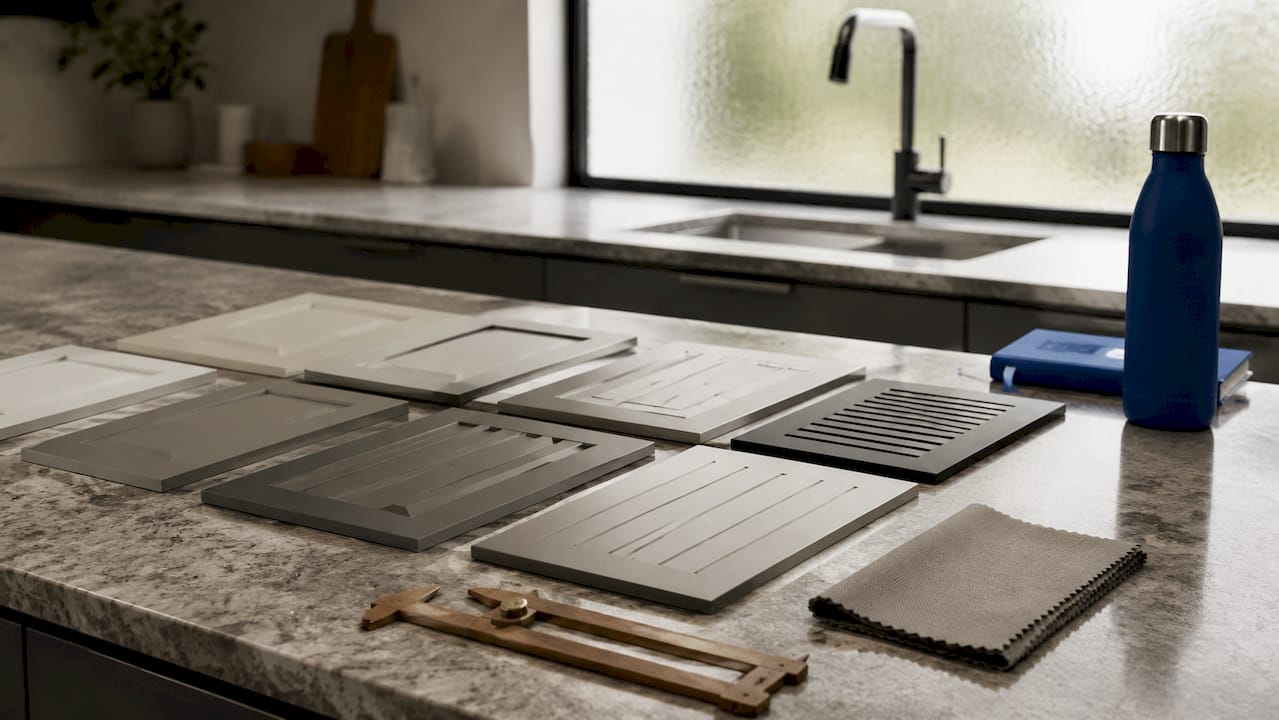
Material choice is the single biggest shutter durability factor before installation even begins. Each material carries a different baseline lifespan, and each responds differently to the conditions inside a UK home.
| Material | Typical lifespan | Best environment | Key weakness |
|---|---|---|---|
| Composite / MDF with coating | 25–30+ years | Bathrooms, kitchens | Heavy impact damage |
| Hardwood | 20–30 years | Dry, climate-controlled rooms | Humidity and warping |
| Aluminium | 25–30+ years | Coastal, conservatories | Thermal expansion noise |
| Vinyl / PVC | 15–20 years | Wet rooms | Discolouration over time |
Wood shutters last 20–30 years indoors when placed in dry, climate-controlled rooms. Expose them to a steamy bathroom or a north-facing room with condensation, and that lifespan shortens considerably. Hardwood is beautiful and premium, but it demands the right environment.
Composite and aluminium shutters tell a different story. Aluminium and PVC shutters with internal reinforcement resist sagging and warping far better than solid wood under variable humidity. That internal frame structure is what separates a 25-year shutter from one that starts bowing within five years. Shutterworld’s Seattle range uses durable MDF with an extruded polypropylene coating precisely because that construction handles the moisture and temperature swings common in UK homes.
- Composite and coated MDF suit bathrooms, kitchens, and any room with fluctuating humidity.
- Hardwood performs best in living rooms, bedrooms, and studies with stable, dry conditions.
- Aluminium excels in conservatories and coastal properties where salt air and temperature extremes are a concern.
- Vinyl works for wet rooms on a tighter budget but shows its age sooner than the alternatives.
Pro Tip: Match your shutter material to the room’s moisture level first, then consider aesthetics. Fitting hardwood in a bathroom to match your décor will cost you a replacement within a decade.
How does professional installation impact shutter longevity?
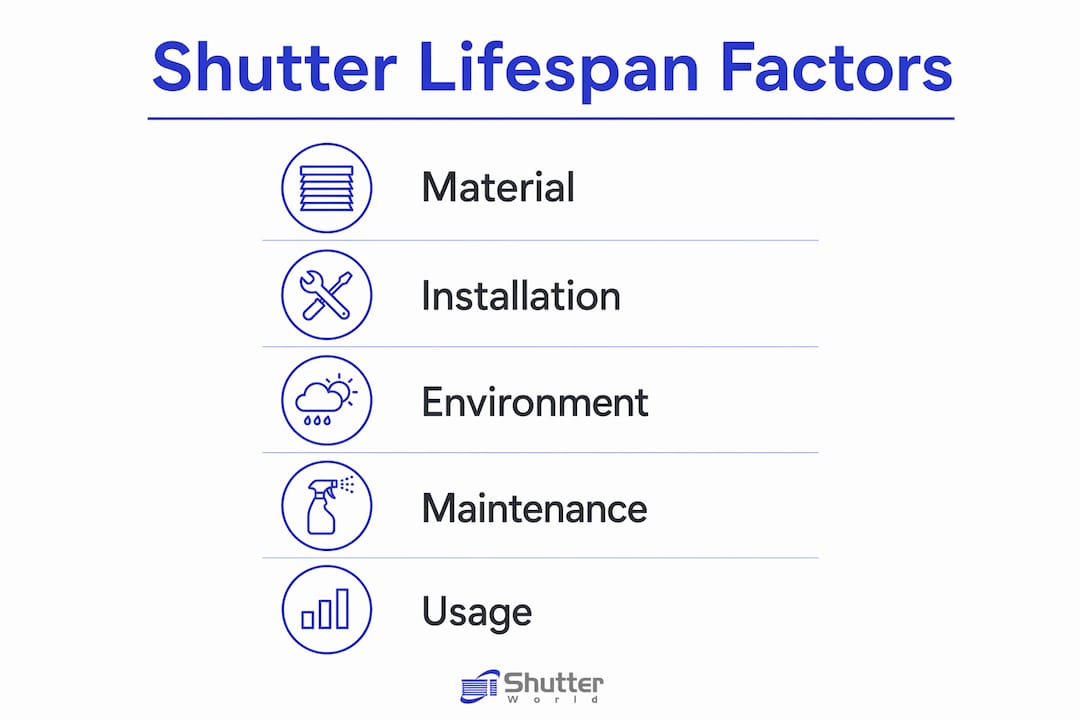
Professional installation is the foundational durability factor that most homeowners underestimate. Misaligned or poorly mounted shutters cause immediate mechanical stress that shortens their working life from the first day they are fitted. A shutter that binds against its frame every time you open it is wearing itself out with every use.
The two most common installation errors that accelerate shutter wear and tear are frame misalignment and under-rated mounting hardware. When a frame is not perfectly square, panels drag, hinges strain, and louvers fall out of alignment. Load rating requirements for mounting hardware significantly affect shutter wear. Hardware that cannot bear the panel weight causes premature failure, often within the first few years.
- Frame alignment: Even a few millimetres out of square creates binding that grinds away at hinges and panel edges over time.
- Hardware specification: Hinges and mounting brackets must be rated for the weight of the specific panel. Heavier hardwood panels need heavier-duty fixings.
- Clearance gaps: Panels need consistent clearance around the frame to open and close without friction.
- Fixing into solid substrate: Mounting into plasterboard without wall plugs or noggins leads to fixings working loose, causing panels to sag.
Engaging certified installers reduces risk and prolongs product life. It also preserves your warranty, which most manufacturers void if damage results from DIY fitting. Shutterworld’s professional installation service includes a full in-home survey and precise measurements before a single panel is ordered, removing the guesswork that leads to these costly errors. You can read more about the risks of DIY fitting if you are weighing up the cost difference.
Pro Tip: Ask your installer to demonstrate the full open and close cycle of every panel before they leave. Any binding or resistance at that stage will only worsen over time.
What environmental factors influence shutter durability and lifespan?
The room a shutter lives in shapes its ageing process as much as the material it is made from. UK homes present a surprisingly wide range of environmental conditions, from salt-laden coastal air in Cornwall to centrally heated, dry living rooms in Leeds.
Humid and coastal environments accelerate corrosion, warping, and finish degradation, particularly for wood and metals not rated for those conditions. A hardwood shutter in a bathroom above a hot shower will absorb moisture repeatedly, swell, and eventually warp beyond adjustment. The finish degrades first, then the wood itself follows.
The specific environmental risks to plan for in a UK home include:
- Bathroom and kitchen humidity: Steam and condensation are the fastest routes to warping and finish failure in wood shutters. Composite or vinyl materials are the correct choice here.
- UV exposure: South-facing windows receive significant direct sunlight. UV degrades paint finishes and can cause fading and brittleness in lower-grade materials over several years.
- Heating vents and radiators: Shutters placed directly above or beside radiators experience repeated cycles of heat and cooling. This stresses joints and finishes, particularly in wood.
- Coastal salt air: Salt particles carried on sea breezes corrode metal hardware and attack finishes. Aluminium shutters with marine-grade coatings are the correct specification for coastal properties.
- Conservatories: Temperature swings between summer and winter in a conservatory are extreme. Only materials rated for that thermal range, typically aluminium or reinforced composite, belong in that environment.
Matching shutter material to the room environment is the most practical way to mitigate environmental damage. Selecting the wrong material for a high-humidity room is not a maintenance problem you can solve later. It is a specification error that shortens lifespan from day one.
How do maintenance and usage practices affect shutter lifespan?
Even the best-specified, professionally fitted shutter will deteriorate early if it is used incorrectly or neglected. Proper maintenance can extend shutter lifespan by 25–40%. That is a significant return on a small investment of time.
The most damaging and least obvious misuse is how homeowners adjust their louvers. Adjusting louvers by pulling individual slats instead of using the tilt rod causes uneven pressure, leading to louver loosening and sagging over time. Most homeowners do this without realising it is harmful. The tilt rod exists precisely to distribute the adjustment force evenly across all louvers simultaneously.
A practical maintenance routine for longer shutter life looks like this:
- Weekly dusting: Use a soft, dry microfibre cloth or a feather duster along each louver. This prevents dust build-up that traps moisture against the finish.
- Monthly wipe-down: Dampen a cloth lightly with water and wipe each louver and frame. For kitchens, a mild washing-up liquid solution removes grease effectively.
- Quarterly hardware check: Gently test each hinge, tilt rod, and panel for any looseness. Tighten any screws that have worked free before they cause panel sag.
- Annual inspection: Check the full frame for any signs of warping, paint cracking, or finish degradation. Catching these early prevents minor issues from becoming structural ones.
- Avoid harsh chemicals: Bleach-based cleaners strip paint finishes and degrade composite coatings. Stick to mild soap and water for all routine cleaning.
Failure to maintain often voids warranty and accelerates wear. This is a point many homeowners discover too late, when a warranty claim is declined because there is no evidence of routine care. Shutterworld’s shutter maintenance guide sets out exactly what your care routine should include to keep both your shutters and your guarantee intact.
Pro Tip: Keep a simple log of your quarterly hardware checks. If a screw needs tightening twice in a row, the fixing point may be failing. Address it before the panel begins to sag.
Key takeaways
Material choice, installation quality, environment, and maintenance together determine how long interior shutters last and how well they perform throughout their life.
| Point | Details |
|---|---|
| Material determines baseline lifespan | Composite and aluminium last 25–30+ years; vinyl typically reaches 15–20 years. |
| Installation quality is foundational | Misaligned frames and under-rated hardware cause mechanical stress from day one. |
| Match material to room environment | Wood suits dry rooms; composite and vinyl are correct for bathrooms and kitchens. |
| Correct louver adjustment prevents wear | Always use the tilt rod, never pull individual slats, to avoid uneven pressure and sagging. |
| Maintenance preserves warranty and lifespan | Routine cleaning and hardware checks can extend shutter life by 25–40% and keep warranties valid. |
What I have learned after years of watching shutters age well and badly
The most consistent pattern I see is homeowners who invest in quality shutters and then undermine that investment with two avoidable mistakes: fitting the wrong material for the room, and skipping the quarterly hardware check.
The material mismatch is the more expensive error. I have seen beautiful hardwood shutters in bathrooms that looked stunning on installation day and were warping within three years. No amount of maintenance recovers a wood shutter that has been absorbing steam daily. The specification decision at the point of purchase is permanent.
The hardware check is the more fixable mistake, and the one that frustrates me most because it takes ten minutes. A single loose hinge, left unaddressed for a year, causes the panel to hang unevenly. That uneven hang puts stress on the opposite hinge, the tilt rod connection, and the louver staples. What started as a five-pence screw problem becomes a panel replacement.
The homeowners whose shutters still look and function perfectly after 20 years share one habit: they treat their shutters like any other quality fixture in the home. They clean them regularly, check the hardware seasonally, and use the tilt rod correctly. None of that is complicated. All of it compounds into decades of reliable performance.
Investing in bespoke shutters from a specialist with a proven track record is the right starting point. But the lifespan you get from that investment is largely in your hands after installation day.
— Ken
Shutterworld’s bespoke shutters: built to last in UK homes

Shutterworld has spent over 25 years helping UK homeowners choose shutters that are correctly specified for their rooms, professionally fitted, and built to stand the test of time. Every shutter is made to measure, with material recommendations matched to your specific room conditions, from coastal conservatories to city-centre bathrooms.
Our plantation shutters range covers everything from the durable Seattle composite range to the premium Montana hardwood collection, with expert guidance at every stage. Professional installation, accurate in-home surveys, and workmanship guarantees are included as standard. If you want shutters that genuinely last, book your free consultation with Shutterworld today.
FAQ
What is the average lifespan of interior shutters in the UK?
Interior shutters last between 10 and 30+ years depending on material, installation quality, and maintenance. Composite and aluminium shutters reach the upper end of that range; vinyl typically falls between 15 and 20 years.
Which shutter material lasts longest in a bathroom?
Composite and vinyl shutters with internal reinforcement are the correct choice for bathrooms. Wood shutters in humid environments absorb moisture repeatedly, which causes warping and finish damage that shortens their lifespan significantly.
Does professional installation really affect how long shutters last?
Professional installation is the foundational durability factor. Misaligned frames and under-rated hardware create mechanical stress from the first day, accelerating wear on hinges, panels, and louvers well before their time.
How do I adjust louvers without damaging my shutters?
Always use the central tilt rod to adjust louvers, never pull individual slats. Pulling individual louvers causes uneven pressure that loosens the staple mechanism and leads to sagging over time.
How often should I carry out shutter maintenance?
Dust weekly, wipe down monthly with a damp cloth, and check all hardware quarterly. Routine maintenance can extend shutter lifespan by 25–40% and is required by most manufacturers to keep your warranty valid.