
Shutters and room temperature: a homeowner’s guide

Shutters and room temperature
TL;DR:
- Properly fitted shutters create an insulating air pocket that reduces heat transfer in winter and limits heat gain in summer.
- Their effectiveness depends on fit, material, placement, and operation, with dynamic use maximising energy savings.
Window shutters control room temperature by acting as adjustable insulators that reduce heat loss in winter and limit solar heat gain in summer. This is not a minor effect. According to the Department of Energy, window coverings reduce heat loss and solar heat gain depending on type, attachment, season, climate, and how they are used. For homeowners and renters in the UK, where heating costs remain a persistent concern, understanding how shutters and room temperature interact is one of the most practical steps you can take towards a more comfortable, energy-efficient home. The right shutter, fitted correctly and operated thoughtfully, functions as a thermal layer built directly into your window.
How do shutters affect room temperature across the seasons?
Shutters regulate indoor temperature through two primary mechanisms: insulation and solar shading. When closed, a well-fitted shutter creates a pocket of still air between the glazing and the room. That air pocket slows the transfer of heat, keeping warmth inside during winter and reducing the amount of heat entering during summer. This is the same principle behind double glazing, but shutters add a third layer of protection.
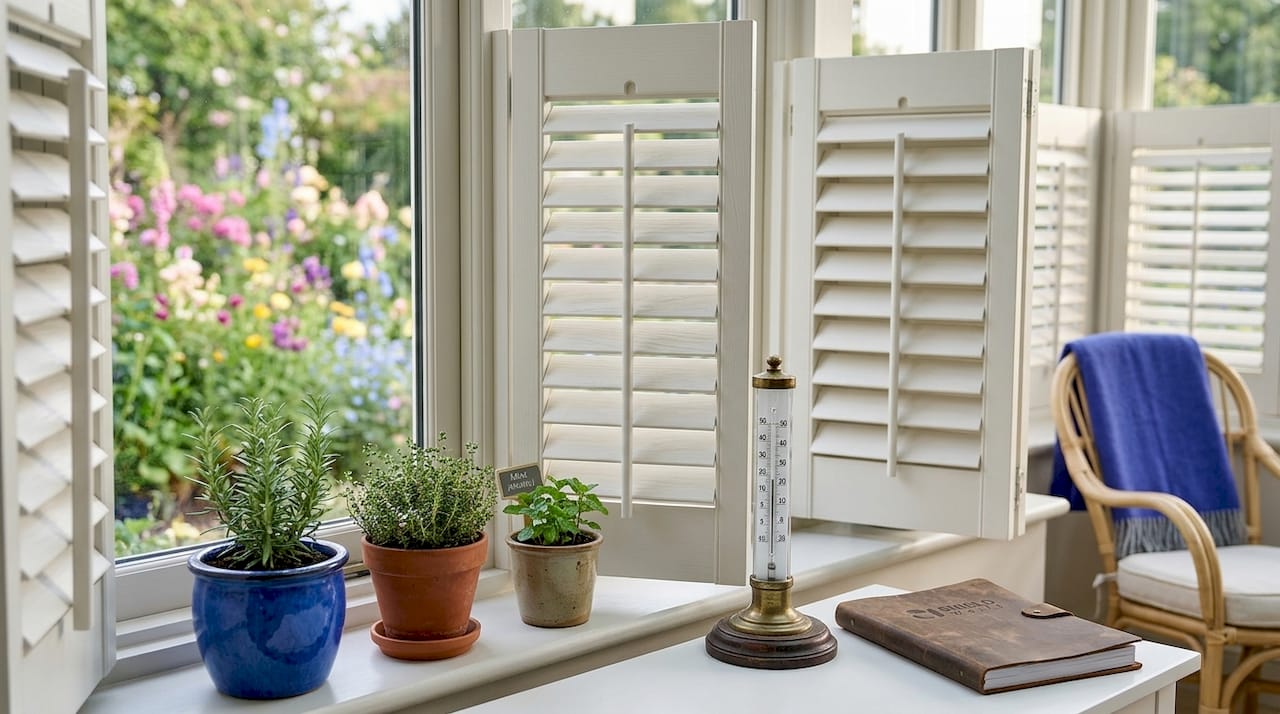
In winter, the insulating air space formed by closed roller shutters prevents cold draughts and reduces heat loss, measurably improving indoor warmth. In summer, the shading effect becomes the priority. Research published in 2026 found that optimised dynamic solar shading can reduce annual cooling load by over 42% while preserving winter solar gains. That figure reflects the difference between a shading system that is thoughtfully designed and one that simply blocks all light regardless of season.
Several factors determine how effective a shutter will be:
- Fit and closure quality. A crucial factor for shutter insulation efficiency is the tightness of closure, since gaps allow heat to escape or enter regardless of shutter type.
- Internal versus external placement. External shutters intercept solar radiation before it reaches the glass, making them more effective at blocking summer heat. Internal shutters are more practical for most UK homes and still deliver strong insulation performance.
- Material and construction. Solid panel shutters outperform louvred designs in pure insulation terms, though louvred plantation shutters offer the advantage of adjustable light and heat control.
- Shutter box insulation. Poorly insulated shutter boxes create thermal bridges that undermine the shutter’s performance. An insulated roller shutter box eliminates this weakness entirely.
Pro Tip: If you are fitting internal shutters, ask your installer about the gap between the shutter panel and the window reveal. A tighter fit means a more effective air pocket and noticeably better thermal performance.
How should you use shutters daily for the best temperature control?
The most important insight from current research is that shutters perform best when operated dynamically, not left in a fixed position. The operability of shutters is critical for energy saving and comfort, particularly for renters who cannot make structural changes to their windows. Treating shutters as a set-and-forget solution wastes most of their thermal potential.
Here is a practical daily routine that maximises the benefit of window shutters temperature control across the year:
- Winter mornings on south-facing windows. Open shutters fully once the sun is up to admit free solar heat. A south-facing room can gain several degrees of warmth from direct sunlight alone, reducing the load on your central heating.
- Winter evenings. Close shutters before dusk. Heat loss through windows accelerates sharply once outdoor temperatures drop, and a closed shutter significantly slows that process overnight.
- Summer mornings on east-facing windows. Close shutters before direct sun strikes the glass. East-facing rooms heat up quickly in the morning, and closing shutters early prevents that heat from building up in the room.
- Summer afternoons on west-facing windows. This is the most overlooked adjustment. West-facing rooms receive the strongest afternoon sun, often making them uncomfortably warm by early evening. Closing shutters from midday onwards makes a measurable difference.
- Overcast days in any season. Open shutters fully. Diffuse daylight provides natural illumination without significant heat gain, and keeping shutters open avoids unnecessary heat loss through the glass on cold, cloudy days.
Window orientation and local climate shape exactly when these adjustments matter most. A home in Yorkshire with predominantly north-facing windows will prioritise insulation over shading, while a conservatory in the south of England will need aggressive summer shading.
Pro Tip: Renters can benefit from operable shutters without making any permanent alterations to their windows. Plantation shutters fitted within the window reveal require no drilling into frames and can be removed cleanly when you move out.
How do shutters compare with curtains and blinds for temperature regulation?
Shutters outperform curtains and blinds in reducing heat loss and temperature fluctuations in indoor environments. That is a direct finding from DOE and MDPI research, and it reflects the structural advantage shutters hold over fabric-based coverings. Curtains create an air gap, but that gap is rarely sealed at the sides or base, allowing convection currents to carry heat away from the room. Blinds, even cellular designs, offer limited insulation compared to a solid or louvred shutter panel.
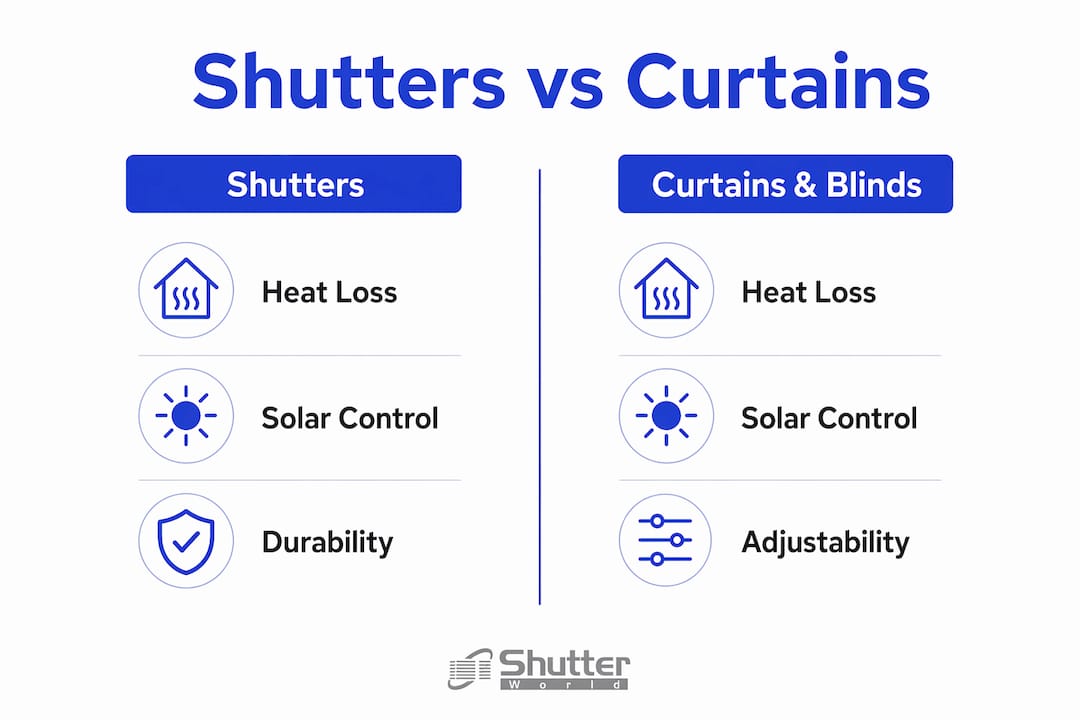
The table below compares the most common window covering types across the factors that matter most for thermal comfort:
| Window covering | Heat loss reduction | Solar heat gain control | Adjustability | Durability |
|---|---|---|---|---|
| Plantation shutters | High | High (adjustable louvres) | Excellent | 20+ years |
| Roller shutters | Very high | Very high | Good | 15-20 years |
| Thermal curtains | Moderate | Low to moderate | Limited | 5-10 years |
| Roller blinds | Low to moderate | Moderate | Good | 5-8 years |
| Window film | None | Moderate | None | 5-10 years |
Window films deserve a specific note. They block solar heat gain effectively in summer, but they also reduce passive solar warmth in winter, making them a poor choice as a standalone solution in the UK climate. A study of highly glazed buildings found that external Venetian blinds reduce heat-stress peaks by 50.2% and discomfort hours by 94.9% during strong solar exposure. That level of performance is simply not achievable with curtains or film alone.
Some homeowners combine shutters with curtains for enhanced performance, particularly in older properties with single glazing. The shutter provides the structural insulation layer, and a lined curtain adds a secondary barrier. This combination is especially effective on north-facing windows in winter.
What shutter types offer the best insulation and temperature benefits?
Not all shutters deliver the same thermal performance. The best shutters for energy efficiency depend on your window type, orientation, and how you intend to use them day to day. Here is how the main shutter styles compare for climate control:
- Roller shutters. These provide the highest level of insulation when fully lowered, particularly external roller shutters. An experimental study of residential buildings confirmed that lowered external roller shutters significantly improve comfort and reduce energy use for both heating and cooling. Aluminium roller shutters with insulating foam cores maximise the thermal barrier effect.
- Plantation shutters. The most popular choice for UK interiors, plantation shutters offer adjustable louvres that let you balance light admission and heat control precisely. Fully closed, they create a solid insulating layer. Partially open, they allow ventilation while still shading the room from direct sun. Shutterworld’s Montana hardwood range and Seattle MDF range both deliver strong thermal performance when fitted to the correct specification.
- Solid panel shutters. These offer the greatest insulation of any internal shutter style because there are no gaps between louvres. They are particularly effective in bedrooms and rooms where light control is less of a priority.
- Bespoke shutters for unusual windows. A shutter that does not fit its window precisely will always underperform. Gaps around arched, angled, or bay windows allow heat to bypass the shutter entirely. Bespoke engineering to the exact window shape is not a luxury consideration. It is a thermal necessity.
The material matters too. Hardwood shutters have natural insulating properties. MDF shutters with a polypropylene coating, such as Shutterworld’s Seattle range, resist moisture and warping, maintaining a consistent seal over time. Aluminium shutters with foam cores are the highest-performing option for pure thermal insulation, particularly in conservatories and rooms with large glazed areas.
Key takeaways
Shutters regulate room temperature most effectively when they are fitted precisely, made from appropriate materials, and operated dynamically in response to season and window orientation.
| Point | Details |
|---|---|
| Insulation mechanism | Closed shutters create an air pocket that slows heat transfer in both winter and summer. |
| Dynamic operation is non-negotiable | Opening shutters to admit winter sun and closing them against summer heat delivers the greatest energy saving. |
| Fit quality determines performance | Gaps around poorly fitted shutters allow heat to bypass the insulating layer entirely. |
| Shutters outperform curtains and blinds | Research confirms shutters reduce heat loss and temperature fluctuations more effectively than fabric coverings. |
| Bespoke fit matters thermally | Custom-fitted shutters for unusual window shapes eliminate thermal bridging and maximise insulation efficiency. |
Why I think most people underestimate what shutters actually do
People tend to buy shutters for how they look. That is understandable. A well-fitted set of plantation shutters transforms a room visually in a way that curtains simply cannot match. But after working with homeowners across the UK for many years, I have come to believe that the thermal benefits are consistently undersold, and that most people are not getting the full value from their shutters because nobody has explained how to use them properly.
The biggest mistake I see is treating shutters as a static feature. Homeowners close them at night for privacy and open them in the morning for light, and that is the extent of the interaction. That approach captures perhaps a third of the available thermal benefit. The real gains come from reading your home’s orientation, understanding which rooms heat up at which times of day, and adjusting accordingly. It takes a week to learn your home’s patterns and about thirty seconds a day to act on them.
The second mistake is underestimating the importance of fit. A shutter that leaves a 10mm gap around the frame is not providing meaningful insulation. It is providing the appearance of insulation. This is why I am genuinely convinced that made-to-measure shutters are not a premium indulgence but a practical requirement for anyone who wants real temperature control. The difference between a standard-size shutter and one engineered to your exact window reveal is measurable in comfort and in energy costs.
Looking ahead, intelligent shutter controls that respond automatically to temperature sensors and solar forecasts are becoming more accessible for residential use. Combined with well-insulated shutter boxes and precision-fitted panels, these systems represent the next step in passive thermal management for UK homes. For now, the most effective tool available is simply understanding how to use what you already have.
— Ken
Discover bespoke shutters designed for your home’s comfort
If you are ready to take temperature control seriously, the starting point is a shutter that fits your windows precisely and suits your home’s specific orientation and climate.

Shutterworld designs and installs bespoke plantation shutters and custom internal shutters across the UK, from straightforward sash windows to complex bay, arched, and conservatory glazing. Every shutter is made to measure, fitted by experienced professionals, and backed by product and workmanship guarantees. With over 25 years of expertise, Shutterworld delivers shutters that perform thermally from day one. Book your free in-home survey today and find out exactly what the right shutter can do for your home’s comfort and energy costs.
FAQ
Do shutters actually make a room warmer in winter?
Yes. Closed shutters create an insulating air pocket between the glass and the room that reduces heat loss, keeping indoor temperatures noticeably warmer overnight and during cold weather.
What type of shutter is best for keeping heat out in summer?
External roller shutters offer the highest solar heat gain reduction, but internal plantation shutters with closed louvres also provide strong shading performance and are the most practical choice for most UK homes.
Can renters benefit from shutters without altering their windows?
Shutters fitted within the window reveal require no permanent fixings to the window frame, making them a practical temperature regulation option for renters that can be removed cleanly at the end of a tenancy.
How do shutters compare with thermal curtains for insulation?
Shutters outperform thermal curtains because they create a sealed air pocket rather than a loose fabric barrier. Curtains allow convection currents to carry heat away at the sides and base, reducing their effective insulation significantly.
Does the fit of a shutter affect how well it insulates?
The fit is the single most important factor in shutter insulation performance. Gaps around the frame allow heat to bypass the shutter entirely, so a precisely measured, bespoke-fitted shutter will always outperform a standard-size alternative.