
Choosing the best shutters for coastal homes in the UK

Shutters for coastal homes
Coastal homes in the UK face a relentless barrage of salt-laden air, driving rain, and fluctuating humidity, which can wreak havoc on standard window treatments. Shutters that perform beautifully inland often fail within months when exposed to the corrosive marine environment, leaving homeowners frustrated with warped frames, rusted hardware, and faded finishes. Bespoke shutters designed specifically for coastal conditions offer a durable, stylish solution that addresses these unique challenges whilst enhancing privacy, light control, and property value. This guide shows how to select shutters that withstand the sea and transform your coastal home.
Table of Contents
- Key takeaways
- Durability challenges of shutters in coastal environments
- Benefits of bespoke shutters for light control, privacy, and aesthetics
- Material options for coastal home shutters and maintenance tips
- Installation considerations and professional services for coastal shutters
- Explore bespoke shutters tailored for coastal homes
- Frequently asked questions
Key Takeaways
| Point | Details |
|---|---|
| Coastal durability | Coastal environments expose shutters to salt spray, higher moisture and temperature swings that promote warping, corrosion and faded finishes unless suitably specified for seaside use. |
| Bespoke coastal fit | Bespoke shutters designed for coastal conditions provide a durable, tailored fit that accommodates coastal architecture and improves privacy and light control. |
| Light control and privacy | Shutters tailored for coastal homes offer effective light control and privacy while resisting the marine environment. |
| Material choice near sea | Material choice near the sea affects maintenance frequency and lifespan, with aluminium or timber treated with marine-grade coatings providing superior corrosion resistance. |
Durability challenges of shutters in coastal environments
Coastal properties endure environmental stresses that simply don’t exist inland. Salt spray carried on coastal winds settles on every exterior surface, penetrating window frames and corroding metal components. Moisture levels remain consistently higher near the sea, creating ideal conditions for wood rot, paint blistering, and mould growth. Temperature fluctuations between sun-warmed days and cool sea breezes cause materials to expand and contract repeatedly, weakening joints and causing warping over time.
Salt air causes accelerated corrosion and wood damage in typical shutters, often rendering them unsightly or non-functional within just a few years. Standard timber shutters absorb moisture from humid air, leading to swelling that prevents proper operation. Metal hardware rusts rapidly when exposed to salt, causing hinges to seize and adjustment mechanisms to fail. Even painted finishes deteriorate faster in coastal locations, with UV radiation from reflected sunlight off water surfaces accelerating fading and chalking.
The constant exposure to these elements means coastal homeowners face a stark choice. You can replace inferior shutters every few years at considerable expense, or invest in properly specified materials from the outset. Aluminium shutters resist corrosion naturally, whilst specially treated hardwoods with marine-grade protective coatings offer beauty without vulnerability. Composite materials engineered for outdoor use combine aesthetic appeal with exceptional weather resistance.
Regular maintenance becomes significantly more critical in coastal settings. Even the most durable shutters benefit from periodic cleaning to remove salt deposits before they cause damage. Inspecting hardware for early signs of corrosion allows you to address issues before they compromise function. Reapplying protective finishes maintains the barrier that keeps moisture out of timber cores.
Pro Tip: Choose plantation shutters with factory-applied marine-grade protective coatings rather than site-applied finishes. Factory processes achieve more thorough penetration and consistent coverage, extending lifespan significantly in harsh coastal conditions.
“Neglecting shutter durability in seaside homes isn’t just an aesthetic issue. Failed shutters compromise privacy, reduce energy efficiency, and can allow water ingress that damages interior walls and furnishings. The initial investment in coastal appropriate materials pays for itself many times over.”
Key durability considerations for coastal shutters include:
- Material resistance to salt corrosion and moisture absorption
- Hardware quality with stainless steel or brass components
- Protective coating durability under UV exposure and salt spray
- Frame construction that accommodates expansion without warping
- Drainage design that prevents water pooling in shutter components
Benefits of bespoke shutters for light control, privacy, and aesthetics
Coastal homes often feature distinctive architectural elements that make standard-sized window treatments impractical. Bay windows jutting towards sea views, arched openings framing coastal vistas, and unusually shaped skylights capturing natural light all require custom solutions. Bespoke internal window shutters tailored to your needs are crafted to fit these irregular shapes perfectly, ensuring complete coverage without gaps that compromise function.
The intense sunlight characteristic of coastal locations demands sophisticated light management. Adjustable louvres allow you to control precisely how much light enters whilst maintaining airflow, crucial for preventing the stuffiness that can develop in sealed coastal properties. Tilt the louvres to deflect harsh midday sun whilst still enjoying diffused natural light, or close them completely when you need darkness for sleeping or screen viewing. This flexibility proves far superior to fixed treatments that force you to choose between glare and gloom.
Privacy takes on heightened importance in coastal areas where properties often sit exposed to passing foot traffic on coastal paths or neighbouring homes with sea view orientations. Shutters provide adjustable privacy that curtains and blinds cannot match. You can angle louvres to block sightlines from specific directions whilst maintaining your own views, or close them entirely when required. Unlike curtains that must be fully drawn for privacy, shutters allow nuanced control that adapts to different times of day and activities.
The aesthetic impact of bespoke shutters transforms coastal properties both inside and out. Clean lines and architectural presence complement the crisp, light-filled interiors popular in coastal design. Shutters enhance rather than obscure window frames and views, maintaining the connection to the seascape that makes coastal living desirable. Custom colour matching ensures shutters integrate seamlessly with your existing décor, whether you prefer classic whites that reflect light or natural wood tones that add warmth.
Practical benefits extend beyond the obvious:
- Noise reduction from coastal winds and nearby tourist activity
- Energy efficiency through improved insulation against temperature extremes
- Increased property value from premium window treatments
- Style versatility, accommodating traditional cottages to modern developments
- Durability that outlasts curtains and blinds, requiring frequent replacement
- Easy cleaning compared to fabric treatments that trap salt and moisture
Bespoke design means every functional element serves your specific needs. If you need blackout capability for bedrooms facing east towards sunrise over the sea, shutters can be specified with overlapping louvres and light seals. If ventilation matters most for a sun room, wider louvre spacing maximises airflow. The customisation extends to hardware placement, ensuring operation remains comfortable regardless of window height or accessibility.
Material options for coastal home shutters and maintenance tips
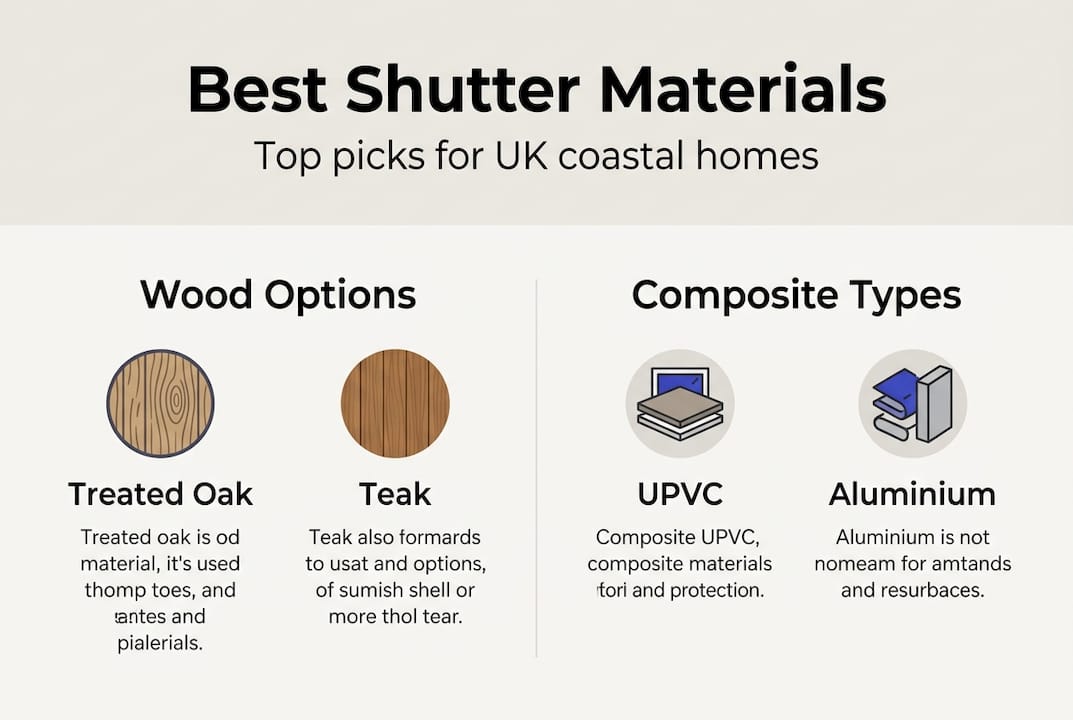
Selecting appropriate materials determines whether your shutters thrive or deteriorate in coastal conditions. Choosing the best interior aluminium window shutters offers unmatched corrosion resistance, particularly for properties within direct salt spray zones. Aluminium naturally forms a protective oxide layer that prevents further corrosion, requires minimal maintenance, and never warps or swells regardless of humidity levels. Modern powder coating technology provides durable colour finishes that resist fading under intense coastal UV exposure.
Treated hardwood delivers natural beauty whilst withstanding coastal challenges when properly specified. Premium hardwoods like paulownia or basswood treated with moisture-resistant sealants and marine-grade finishes combine aesthetic warmth with practical durability. The key lies in factory-applied treatments that penetrate deep into the timber rather than surface coatings that can fail at edges and joints. Hardwood shutters suit coastal properties where traditional character matters, particularly listed buildings or conservation areas where aluminium might appear incongruous.

Composite materials engineered specifically for challenging environments offer a middle ground. High quality composites resist moisture absorption better than solid timber whilst providing the appearance and warmth of natural wood. Some composite formulations incorporate UV stabilisers and fungicides during manufacture, building protection into the material itself rather than relying solely on surface treatments.
| Material | Durability rating | Maintenance frequency | Relative cost | Aesthetic appeal |
|---|---|---|---|---|
| Aluminium | Excellent | Annual cleaning | Medium to high | Modern, clean lines |
| Treated hardwood | Very good | Bi-annual inspection | High | Traditional, warm |
| Premium composite | Very good | Annual cleaning | Medium | Versatile, natural look |
| Standard timber | Poor | Quarterly maintenance | Low to medium | Traditional but vulnerable |
Maintenance requirements vary by material, but certain practices benefit all coastal shutters. Regular cleaning removes salt deposits before they cause damage, using gentle pH neutral cleaners rather than harsh chemicals that can degrade protective finishes. Pay particular attention to hinges, adjustment mechanisms, and frame joints where salt accumulates. Rinse thoroughly with fresh water after cleaning to prevent residue buildup.
Protective finishes require periodic renewal even on factory-treated shutters. Inspect finishes annually for signs of wear, particularly on south-facing installations receiving maximum UV exposure. Early reapplication maintains the moisture barrier that protects underlying materials. For timber shutters, this might mean recoating every two to three years, depending on exposure severity.
Hardware deserves specific attention in coastal environments. Check that hinges operate smoothly without binding or squeaking, signs that corrosion has begun. Lubricate moving parts with marine-grade lubricants designed to resist salt water. Replace any hardware showing rust or corrosion immediately, as failure can render shutters inoperable and cause damage to frames during storms.
Pro Tip: Schedule comprehensive shutter inspections in early spring and late autumn, timing them to catch winter storm damage and prepare for summer’s intense UV exposure. This proactive approach identifies issues whilst they remain minor and inexpensive to address.
Essential maintenance steps to maximise coastal shutter lifespan:
- Clean shutters monthly with a pH-neutral solution and a soft cloth
- Rinse thoroughly with fresh water to remove all salt and cleaning residue
- Inspect protective finishes quarterly for chips, cracks, or wear
- Check hardware for corrosion and lubricate moving parts biannually
- Reapply protective coatings according to manufacturer specifications
- Verify drainage channels remain clear and water flows away properly
- Document maintenance activities to track patterns and plan replacements
Consider also how your specific microclimate affects maintenance needs. Properties directly facing prevailing winds require more frequent attention than those sheltered by geography or neighbouring structures. Homes elevated above the shoreline experience different salt exposure than those at beach level. Energy efficient shutters uk home solutions 2025 often incorporate design features that shed water more effectively, reducing maintenance demands whilst improving thermal performance.
Installation considerations and professional services for coastal shutters
Correct installation proves as critical as material selection for coastal shutter performance. Measurements must account for the frame movement and settling common in coastal properties exposed to constant wind loading and temperature cycling. Professional installers understand these dynamics, allowing appropriate tolerances that prevent binding whilst maintaining weathertightness. Amateur installation frequently results in shutters that operate stiffly when new and fail completely as frames shift over time.
Secure fixing takes on heightened importance in coastal locations where wind speeds regularly exceed inland norms. Plantation shutters installations require substantial fixings into a solid substrate, not just plasterboard or thin timber. Professional installers identify appropriate fixing points, often requiring specialist anchors for stone or concrete construction typical of older coastal properties. Inadequate fixing allows shutters to work loose during storms, potentially causing damage to windows, frames, and the shutters themselves.
Specialised tools and techniques improve longevity significantly. Professionals use moisture meters to verify frame conditions before installation, identifying hidden damp that could compromise fixings or cause future problems. They apply additional sealants at critical junctions where water might penetrate, creating barriers that standard installation overlooks. Experience with coastal installations means they anticipate and address vulnerabilities that become apparent only after shutters have weathered several storm seasons.
Key questions to ask potential installers:
- What specific experience do you have with coastal shutter installations?
- Which fixings and sealants do you specify for marine environments?
- Do warranties cover salt corrosion and weather-related failures?
- What maintenance schedule do you recommend for our exposure level?
- Can you provide references from other coastal property installations?
- How do you account for frame movement in measurement and fitting?
- What provisions exist for emergency repairs after severe weather events?
Warranty terms deserve careful scrutiny for coastal installations. Standard warranties may exclude damage from environmental factors, leaving you unprotected against the very conditions that threaten coastal shutters. Seek installers offering warranties that explicitly cover coastal exposure, confirming in writing what constitutes normal wear versus defects. Understand what maintenance the warranty requires, as neglecting specified care typically voids coverage.
“Professional installation in harsh coastal climates isn’t merely about fixing shutters to walls. It requires understanding how buildings respond to marine environments, anticipating failure modes specific to salt exposure, and implementing preventive measures that extend service life by decades. The expertise gap between professional and amateur installation becomes most apparent when storms test every component.”
Ongoing service relationships provide peace of mind beyond initial installation. Establish whether installers offer maintenance contracts, periodic inspections, or priority response for storm damage repairs. Coastal properties benefit enormously from professional eyes reviewing shutter condition regularly, catching deterioration before it becomes critical. Some installers maintain spare parts inventories for rapid repairs, crucial when damage compromises security or weather protection.
Explore bespoke shutters tailored for coastal homes
Your coastal home deserves window treatments engineered to withstand the unique challenges of the marine environment whilst enhancing the beauty that drew you to seaside living. Shutter World specialises in bespoke internal window shutters tailored to your needs, offering materials and finishes specifically selected for coastal durability. Our plantation shutters combine timeless style with modern engineering, providing the light control, privacy, and weather resistance coastal properties demand.

Professional installation ensures every shutter fits perfectly and performs reliably for decades, backed by warranties that recognise coastal exposure realities. Explore how window shutters to transform your home can elevate your property’s aesthetics whilst delivering practical benefits that justify the investment many times over.
Frequently asked questions
Are shutters suitable for all coastal homes?
Yes, bespoke shutters can be customised to suit all coastal home types and window styles, from traditional cottages to contemporary developments. Materials and finishes can be selected specifically for your property’s exposure level and architectural character. Professional assessment ensures specifications match your unique coastal microclimate, whether you face direct salt spray or enjoy more sheltered conditions.
What maintenance do shutters require in salty sea air?
Regular cleaning with gentle pH-neutral products to remove salt deposits is essential, ideally monthly for properties in direct exposure zones. Check for corrosion signs on hardware and apply protective finishes periodically according to material specifications. Bi-annual professional inspections catch developing issues early, preventing minor problems from becoming expensive failures that compromise shutter function and appearance.
Can bespoke shutters improve home energy efficiency?
Bespoke shutters with insulating properties significantly improve thermal comfort and lower heating costs by reducing heat loss through windows, particularly valuable in coastal properties exposed to cold sea winds. Energy-efficient shutters uk home solutions 2025 combine proper fitting with materials engineered for thermal performance. The air gap between closed shutters and glazing creates an insulating layer that curtains and blinds cannot match, whilst eliminating draughts around window frames.
How do I choose the right shutter style for my coastal home?
Consider materials resistant to moisture and salt damage as your primary criterion, then select styles that complement your architecture. Aluminium suits modern properties, prioritising durability, whilst treated hardwood enhances traditional coastal cottages. Match shutter design with your home’s existing character for cohesive appearance, consulting design galleries and professional advisors to visualise how different styles transform your specific windows and rooms.