
Shutters and Heating Bills – Real Impact for UK Homes

Shutters impact on heating bills
Every winter, homeowners across West Yorkshire feel the chill seeping through traditional windows, turning heating bills into a constant concern. For those living in historic terraces or homes with distinctive window shapes, finding energy-saving solutions is rarely straightforward. Scientific research from the University of Salford confirms that well-fitted interior shutters provide a robust air barrier, significantly reducing heat loss through windows by up to 28%. Discover how bespoke shutters offer both insulation and style, making comfort and lower bills an achievable reality.
Table of Contents
- Shutters And Heat Loss Explained
- Types Of Shutters For Insulation
- How Shutters Lower Heating Bills
- Material Choice And Installation Factors
- Comparing Shutters With Other Window Coverings
- Maximising Savings Year-Round
Key Takeaways
| Point | Details |
|---|---|
| Effectiveness of Shutters | Properly designed shutters can reduce thermal energy loss through windows by up to 28%, promoting energy savings. |
| Material Importance | Choosing dense materials like hardwood significantly enhances insulation performance, reducing heat loss. |
| Installation Precision | Expert installation is crucial; improper fittings can decrease thermal effectiveness by up to 90%. |
| Seasonal Strategies | Adjusting shutter position throughout the year maximises natural heating and cooling, optimising energy use. |
Shutters and Heat Loss Explained
Window heat loss poses a significant energy-efficiency challenge for British homeowners, as traditional glass surfaces act as substantial thermal conductors. Research from the University of Salford’s Energy House reveals that window coverings play a critical role in mitigating heat escape, with well-designed shutters offering remarkable thermal protection.
The scientific findings demonstrate that interior shutters create an essential air barrier between the window surface and the interior room space. By installing a precise thermal barrier, homeowners can dramatically reduce heat transfer through windows. Modern shutters are engineered with multiple layers and insulative materials that trap air pockets, effectively creating a buffer zone that minimises temperature exchange.
Typical heat loss through untreated windows can reach up to 25% of a home’s total thermal energy, making window coverings a crucial investment for energy-conscious households. Solid timber shutters, with their dense material composition, provide superior insulation compared to lightweight curtains or standard blinds. The strategic design includes tight-fitting panels and robust construction that significantly restricts cold air infiltration during the winter months.
Expert Tip: When selecting shutters, prioritise models with multiple louvre layers and consider full-height designs that provide maximum window coverage for optimal thermal performance.
Types of Shutters for Insulation
Homeowners seeking effective thermal protection have multiple shutter options that can significantly enhance home energy efficiency. The British Blind and Shutter Association’s research highlights how different shutter designs contribute to heat retention, with some configurations offering superior insulation performance. Thermal performance variations depend critically on material selection, design, and installation precision.
Solid panel shutters represent the most robust insulation solution, featuring dense wooden constructions that create a near-impenetrable barrier against heat loss. These traditional shutters completely block window surfaces, trapping air between the shutter and glass to minimise thermal transfer. Plantation shutters offer a more versatile alternative, with adjustable louvres allowing homeowners to control light and temperature simultaneously. Their slatted design enables strategic ventilation while maintaining significant thermal protection.
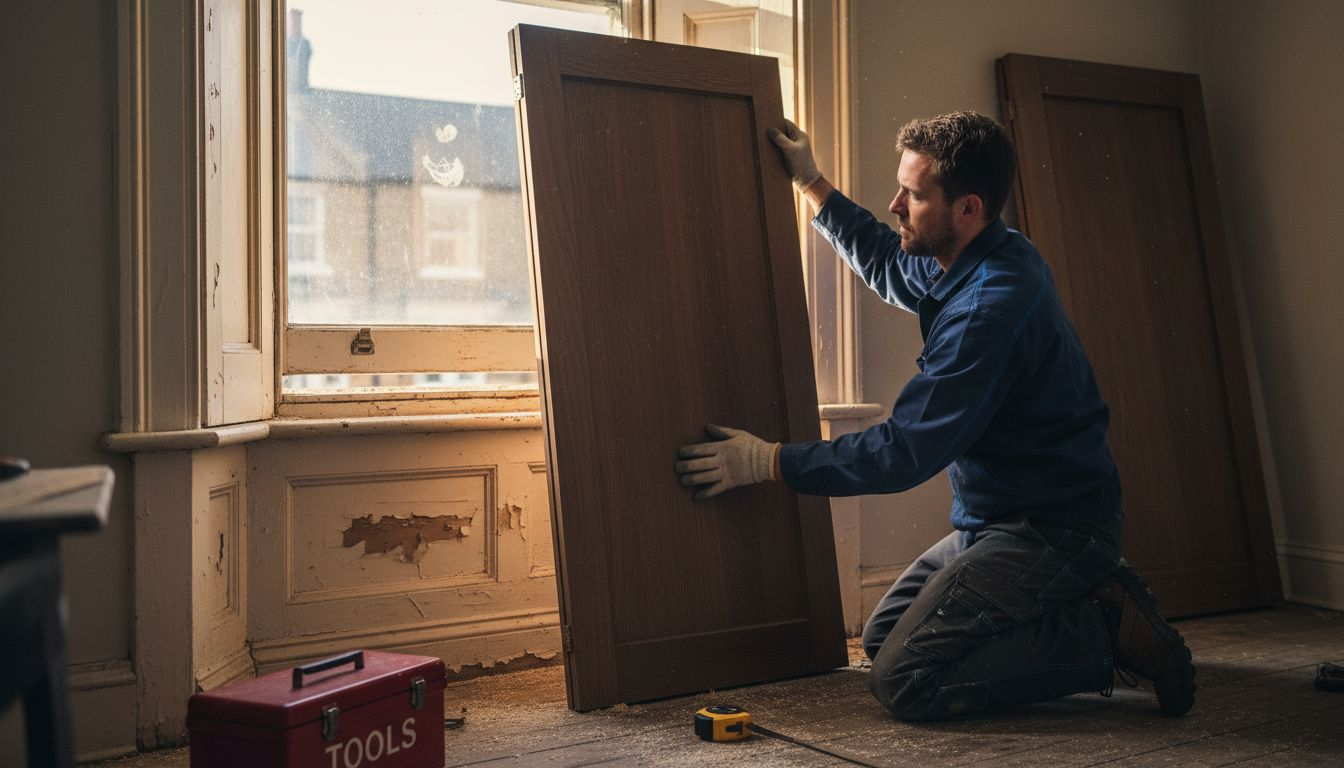
Material selection plays a crucial role in shutter insulation effectiveness. Hardwood shutters, such as oak and mahogany, provide exceptional thermal resistance, while engineered wood and high-density MDF offer cost-effective alternatives with comparable performance. Composite materials with integrated insulative cores can deliver remarkable heat retention, making them an intelligent choice for energy-conscious households seeking long-term thermal efficiency.
Expert Tip: When selecting insulation shutters, prioritise tight-fitting designs with multiple layers, and consider professional measurements to ensure the maximum thermal seal.
How Shutters Lower Heating Bills
Reducing home heating expenses requires strategic approaches, and interior window shutters emerge as a powerful solution for energy-conscious British homeowners. Energy saving techniques demonstrate that shutters provide a remarkable barrier against heat loss, with potential reductions of up to 28% in thermal energy escape through windows. This substantial performance translates directly into meaningful savings on household heating bills throughout the colder months.
The thermal efficiency of shutters operates through multiple mechanisms. During daylight hours, open shutters allow natural sunlight to warm interior spaces, harnessing solar gain as a free heating source. As temperatures drop in the evening, closed shutters create an additional insulative layer, trapping warmth inside and preventing cold air from penetrating through window surfaces. This dynamic approach to temperature management means homeowners can actively control their indoor climate while minimising energy consumption.
Economic benefits complement the thermal performance of shutters. By reducing heat loss, these window coverings reduce the workload on heating systems, lowering energy consumption and utility costs. The initial investment in high-quality shutters can typically be recouped through cumulative energy savings within a few years, making them a financially prudent long-term home improvement strategy. Advanced shutter designs with multiple layers and precision-fitted configurations maximise these thermal benefits, offering homeowners an elegant and practical approach to energy management.
Expert Tip: Install shutters with professional measurements to ensure maximum thermal seal and consider adjusting their position throughout the day to optimise natural heating and insulation.
Material Choice and Installation Factors
Optimal thermal performance in window shutters depends critically on material selection and precise installation techniques. Thermal performance research reveals that improper installation can dramatically reduce insulation effectiveness by up to 90%, underscoring the importance of expert craftsmanship in shutter design and fitting.
Material composition plays a fundamental role in thermal efficiency. Hardwood options like oak and mahogany provide superior insulation due to their dense cellular structure, while engineered materials such as high-density MDF with integrated insulative cores offer cost-effective alternatives. Advanced materials such as vacuum-insulated panels and aerogel-enhanced timber shutters represent cutting-edge solutions, delivering exceptional heat retention that significantly outperforms traditional window coverings.
Installation precision is equally crucial in maximising thermal benefits. Professional fitters must address potential cold-bridging points, ensuring tight seals between shutter frames and window surfaces. Critical factors include minimising air cavity sizes, preventing potential air leakage, and guaranteeing full window coverage without gaps. Proper hinge alignment, meticulous measurement, and strategic positioning enable shutters to create an effective thermal barrier that actively reduces heat loss and enhances home energy efficiency.
The table below summarises key factors influencing shutter insulation performance:
| Factor | Impact on Insulation | Tip for Maximum Benefit |
|---|---|---|
| Material Quality | Dense woods retain more heat | Choose hardwoods or insulated composites |
| Panel Fit | Tight fit blocks air loss | Use precise, professional measurements |
| Layering | Multiple layers trap more air | Select multi-layered shutter designs |
| Installation Method | Poor fitting reduces the effect | Opt for expert installation |
Expert Tip: Request a professional thermal imaging assessment during shutter installation to identify and rectify potential heat loss points before finalising your window covering.
Comparing Shutters with Other Window Coverings
Homeowners have multiple window covering options, but not all deliver equal thermal performance and energy efficiency. Energy-saving comparisons reveal significant variations in heat-loss reduction across different window treatments, with thermal performance ranging from 13% to 33% depending on the chosen solution.
Roller blinds demonstrate varying effectiveness, with zipped side channel designs reducing heat loss up to 33%, while standard roller blinds achieve only 13% thermal protection. Honeycomb blackout blinds perform impressively at 32% heat reduction. Interior plantation shutters consistently rank among top performers, delivering a solid 28% heat loss mitigation. This comparative analysis highlights shutters as a robust choice for homeowners prioritising energy efficiency and temperature control.
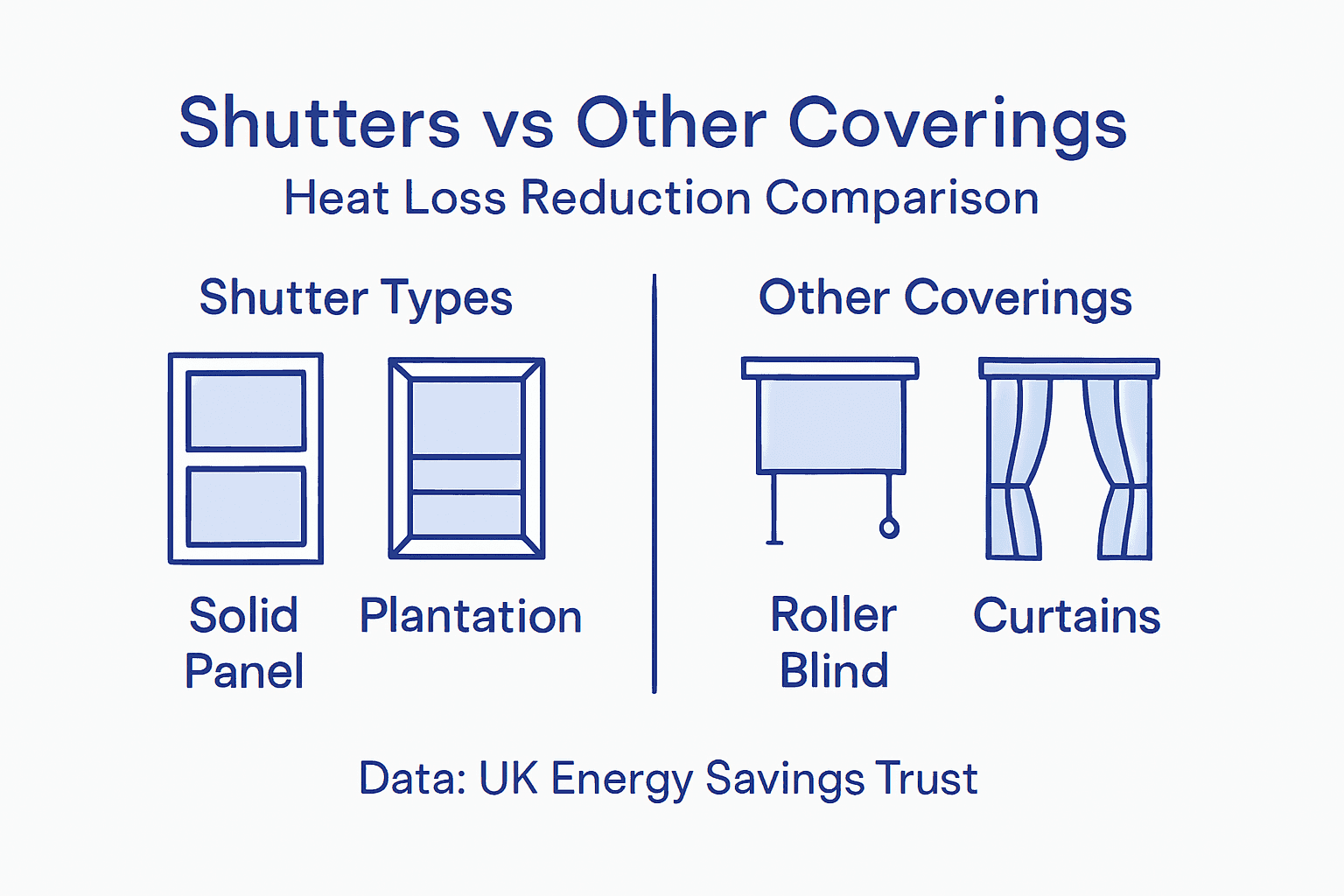
Here is a comparison of common window covering solutions and their thermal performance:
| Window Covering Type | Typical Heat Loss Reduction | Notable Advantages |
|---|---|---|
| Zipped Side Channel Blinds | Up to 33% | High thermal efficiency, discreet |
| Honeycomb Blackout Blinds | 32% | Strong insulation, light control |
| Interior Plantation Shutters | 28% | Durable, aesthetic, effective |
| Standard Roller Blinds | 13% | Easy to fit, less insulating |
| Heavy Curtains | Variable (10-15%) | Low cost, minimal installation |
Beyond thermal performance, shutters offer additional advantages over traditional window coverings. Unlike curtains, which primarily provide aesthetic value, shutters create a precise air barrier that minimises temperature exchange. Their rigid construction allows for granular control of light and ventilation, enabling homeowners to adapt quickly to changing environmental conditions. Engineered with tight-fitting panels and superior materials, shutters provide a more comprehensive solution that balances thermal efficiency, light management, and interior design aesthetics.
Expert Tip: Consider scheduling a professional energy assessment to precisely measure the thermal performance of your window coverings and identify potential improvement strategies.
Maximising Savings Year-Round
Maintaining energy efficiency requires a strategic approach to window coverings that adapts to changing seasonal conditions. Seasonal energy strategies reveal sophisticated techniques for maximising thermal performance throughout the year, transforming shutters from simple window treatments into dynamic climate management tools.
During winter months, shutters become critical thermal allies. Homeowners can open shutters during sunny daylight hours to harness natural solar warming, allowing sunlight to naturally heat interior spaces. As temperatures drop in the evening, closing shutters creates an additional insulative barrier, trapping accumulated warmth and preventing heat dissipation through window surfaces. This deliberate thermal management can significantly reduce heating system workload and associated energy consumption.
Summer presents equally important opportunities for energy optimisation. When external temperatures rise, closing shutters during peak sunlight hours blocks solar heat gain, preventing unnecessary warming of interior spaces. Strategic ventilation techniques involve opening shutters during cooler evening hours, enabling natural air circulation and reducing reliance on air conditioning. This adaptive approach allows homeowners to leverage shutters as intelligent thermal regulators, actively managing indoor climate while minimising energy expenditure across diverse seasonal challenges.
Expert Tip: Invest in a programmable smart home system that can automatically adjust your shutters based on sunlight intensity and external temperatures, maximising energy efficiency with minimal personal intervention.
Take Control of Your Heating Bills with Bespoke Shutters from Shutter World
The article highlights the real impact shutters can have on reducing heat loss and cutting down heating expenses in UK homes. If you are frustrated by high energy bills or struggling with cold drafts, bespoke interior shutters offer a practical and stylish solution. Designed to create a precise thermal barrier and expertly fitted for your unique windows, shutters from Shutter World can transform your home’s comfort while helping you save money.

Discover our range of custom shutters at Ossett Plantation Shutters Archives | Shutter World and West Yorkshire Shutters Archives | Shutter World. Our complete service—from free professional survey to expert installation—ensures your shutters fit perfectly and maximise thermal insulation. Take the first step towards lower heating bills and improved home energy efficiency by visiting our FAQ page for more information. Act now to enjoy a warmer, more energy-efficient home year-round.
Frequently Asked Questions
How do shutters help reduce heating bills?
Shutters act as an insulative barrier that reduces heat loss through windows. By creating an air pocket and minimising cold air infiltration, they can significantly reduce heating bills, with potential reductions of up to 28% in thermal energy loss.
What types of shutters offer the best insulation?
Solid panel shutters provide the most robust insulation due to their dense wooden construction. Plantation shutters also offer effective light control, with adjustable louvres that maintain thermal protection. Materials like hardwood or engineered wood enhance insulation performance.
Can installing shutters affect their thermal performance?
Yes, improper installation can reduce insulation effectiveness by up to 90%. It’s crucial to ensure professional fitting to achieve a tight seal and optimal thermal barrier, preventing air leakage and maximising heat retention.
How can I maximise the energy efficiency of my shutters throughout the year?
To maximise energy efficiency, open shutters during sunny days to harness natural warmth and close them in the evening to trap heat. In summer, keep shutters closed during peak sunlight hours to block excess heat and open them during cooler evenings for ventilation.