
Suburban home shutter trends: 2026 style guide

TL;DR:
- Modern minimalist shutters with large louvre blades and dark colors are the dominant trends in suburban homes in 2026. Proper style choice based on architectural period and high-quality materials ensure durability and aesthetic harmony. Dark shades like black and charcoal enhance contrast, while bespoke designs deliver the best fit and longevity.
Suburban home shutter trends in 2026 are defined by a clear shift towards modern minimalist designs, larger louvre blades, and darker colour palettes that dramatically refresh home exteriors. The industry term for this category is exterior and interior plantation shutters, though homeowners increasingly search for guidance on window treatments as a whole. This guide covers the dominant home shutter styles, trending colours, functional design features, and practical installation advice to help you make a confident, lasting choice for your property.
What are the dominant suburban home shutter trends in 2026?
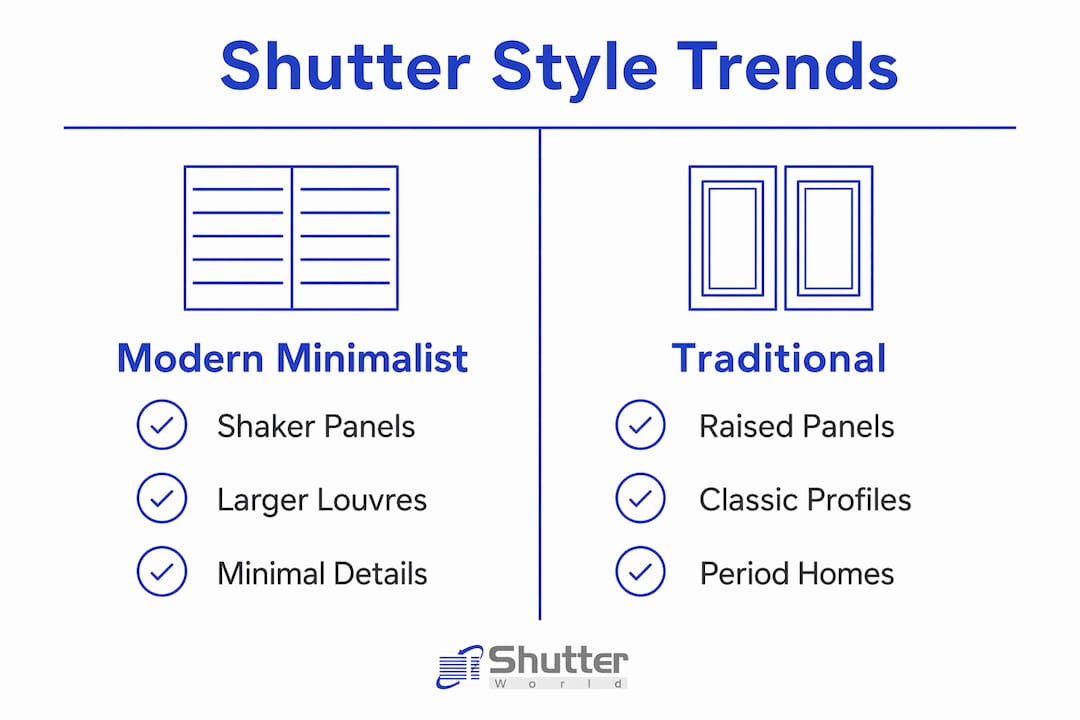
Modern minimalist shutters now command 40% homeowner preference compared to 25% for traditional designs. That gap reflects a generational shift, with Millennials and Gen Z prioritising clean profiles, flat panels, and smart-home compatibility over ornate detailing.
The most popular styles in suburban settings fall into two clear camps.
| Style Category | Key Features | Best Suited To |
|---|---|---|
| Modern minimalist | Flat or shaker panels, clean lines, hidden hardware | Contemporary and new-build homes |
| Traditional | Raised panel, louvered, board and batten | Period properties, Victorian, Georgian |
| Bahama shutters | Top-hinged, angled louvres | Coastal or sun-facing elevations |
Shaker and flat panel styles are the fastest growing among homeowners prioritising minimalist aesthetics. This matters because a flat panel shutter on a Victorian terrace can look jarring and out of place, while a raised panel design on a new-build feels equally wrong. Architectural harmony is not optional; it is the foundation of good shutter selection.
Traditional styles still hold genuine appeal for the right property. Raised panel shutters suit Georgian and Edwardian facades beautifully. Board and batten designs complement cottage-style homes. Louvered shutters remain a versatile choice across both camps, offering light control alongside strong visual character.
Pro Tip: Match your shutter style to your home’s architectural period first, then consider colour and material. Getting the style wrong is the single most common mistake homeowners make, and it is far more costly to correct than a poor colour choice.
Which shutter colours best suit suburban home exteriors?
Black is the most popular shutter colour in 2026 for suburban homes across almost all exterior palettes. Its dominance comes from the strong visual contrast it creates against brick, render, and timber cladding alike. Charcoal and muted navy follow closely, offering a slightly softer version of the same high-contrast effect.
Colour choice is not simply a matter of personal taste. It is a structural decision that affects how your windows read from the street. Dark shutter colours like black, navy, and deep green frame windows clearly and modernise traditional brick or siding homes with minimal effort. Lighter shutter colours, including white and muted greys, work best with lighter siding and contemporary designs where strong contrast would feel harsh.
A practical colour pairing framework looks like this:
- Red or orange brick exterior: Black, charcoal, or deep forest green shutters
- White or cream render: Charcoal, sage, or soft navy for depth without harshness
- Grey or stone cladding: Black or deep slate for definition; white for a fresh, airy contrast
- Timber or weatherboard: Dark brown, black, or deep green to complement natural tones
- Pale or pastel siding: Soft white, warm grey, or sage for a cohesive, understated finish
Finish durability matters as much as colour. Powder-coated finishes on composite or aluminium shutters resist fading and moisture far better than painted timber. For best siding and shutter pairings that hold up over years, the finish quality is as important as the initial colour match.
Pro Tip: Before committing to a colour, order a physical sample and hold it against your exterior wall at different times of day. Colours shift significantly between morning light and late afternoon, and what looks perfect on a screen can read very differently on brick.
What modern shutter design features improve functionality?
The most significant design shift in modern plantation shutters is the move to larger louvre blades of 89mm and above. Larger blades create an architectural, spacious look that smaller traditional louvres simply cannot replicate. They also allow more light into a room when open and provide a cleaner sightline to the garden or street.
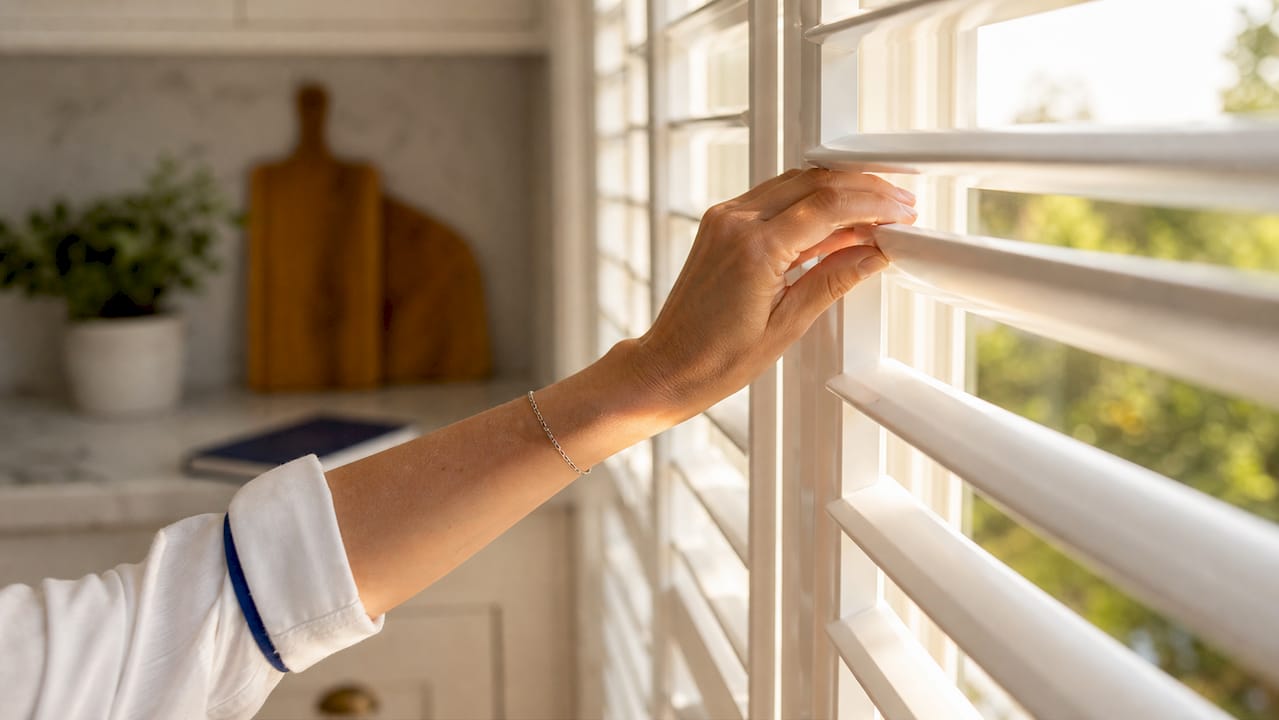
Hidden tilt rods are the second defining feature of contemporary shutter design. Traditional shutters use a visible central rod to adjust louvre angles. Modern designs conceal this mechanism entirely, producing a clean, uninterrupted front panel. Specifying hidden tilt rods at the survey stage is critical because switching to hidden tilt rods post-installation is often impossible due to structural integration within the panel.
Material choice underpins everything else:
- Kiln-dried hardwood: Premium appearance and natural warmth, best for stable interior environments
- Composite (MDF with polypropylene coating): Excellent moisture resistance, ideal for bathrooms and kitchens
- Aluminium: Lightweight, rust-proof, and suited to large or heavy-traffic windows
- Hybrid aluminium-clad wood: Combines the warmth of timber with the weather resistance of metal cladding
Kiln-drying wood to 8% EMC or using composite materials prevents the warping and binding that plague poorly specified shutters. This is particularly relevant in suburban homes where central heating creates significant seasonal humidity fluctuations.
Smart-home integration is a growing feature in the premium segment. Motorised louvre adjustment, controllable via smartphone or voice assistant, suits smart home shutter systems and appeals strongly to younger homeowners who want convenience alongside aesthetics.
Pro Tip: If you are specifying shutters for a bathroom or kitchen, always choose composite or aluminium over solid wood. Moisture is the primary cause of shutter failure in those rooms, and no amount of paint or varnish fully protects solid timber long-term.
How do you choose and install the best shutters for your home?
Selecting the right shutters requires a structured approach. Rushing the decision leads to mismatched styles, poor proportions, and costly replacements. Follow this sequence to get it right.
- Assess your architectural style. Identify whether your home is modern, traditional, or transitional. This determines which shutter profiles are appropriate before any other decision is made.
- Measure window proportions carefully. Shutters should occupy roughly two-thirds of the window height to maintain proper scale and enhance kerb appeal. Shutters that are too narrow or too short look unfinished and can actually reduce your home’s visual appeal.
- Choose your material based on location. Interior rooms with stable humidity suit hardwood. Bathrooms, kitchens, and conservatories require composite or aluminium. Hybrid aluminium-clad wood shutters outperform solid wood under high wind loads, making them the better choice for exposed elevations.
- Specify hidden tilt rods and louvre size upfront. These decisions cannot be changed after manufacture. Confirm both at the survey stage, not after the shutters arrive.
- Plan for a floating fit. A clearance of approximately 1.5mm around shutter panels is necessary to avoid seasonal binding as timber expands and contracts with temperature changes.
- Consider bespoke solutions for non-standard windows. Bay windows, arched frames, and angled rooflines require precision engineering. Off-the-shelf shutters will not fit correctly and will look worse than no shutters at all.
Homeowners often err by choosing shutters that clash with their home’s architectural style, harming kerb appeal and property value. The fix is straightforward: treat shutter selection as an architectural decision, not a decorating one. Refer to your home’s period and proportions at every stage of the process.
For a full overview of current UK shutter trends and how they apply to different property types, Shutterworld’s resource library offers detailed guidance by architectural style and room type.
Key takeaways
The most effective approach to suburban window treatments is to match shutter style and material to your home’s architecture first, then refine colour and finish for maximum kerb appeal.
| Point | Details |
|---|---|
| Style before colour | Choose a shutter profile that suits your home’s architectural period before selecting any colour or finish. |
| Dark colours dominate | Black, charcoal, and deep green are the leading trending shutter colours in 2026 for strong contrast and kerb appeal. |
| Louvre size matters | Blades of 89mm and above define modern shutter designs and deliver a more architectural, spacious appearance. |
| Material determines longevity | Composite and aluminium outperform solid wood in moisture-prone rooms and exposed suburban elevations. |
| Proportion is non-negotiable | Shutters covering roughly two-thirds of the window height maintain correct visual scale and enhance the facade. |
Why getting the architecture right matters more than trends
I have spent years watching homeowners make the same avoidable mistake: they fall in love with a colour or a finish they have seen on social media, order shutters to match, and then wonder why the result looks slightly off. The answer is almost always proportion and architectural mismatch, not the colour itself.
The homes that genuinely benefit from new shutters are the ones where the owner started with the building, not the trend. A Victorian semi with raised panel shutters in deep charcoal looks timeless. The same house with flat panel shutters in the same colour looks confused. The shutter is not wrong. The pairing is.
My honest advice is to treat the minimalist shutter pairing trend with some caution if your home predates 1980. Clean lines and hidden hardware look extraordinary on new-builds and contemporary extensions. On period properties, they can strip away the very character that makes the house worth investing in.
The other thing I would say is this: bespoke matters far more than most people realise. A made-to-measure shutter fitted to your exact window dimensions, specified with the right louvre size and material for your room, will outperform any off-the-shelf alternative by a considerable margin, both visually and in terms of longevity. The upfront investment pays back in durability, appearance, and the confidence that comes from knowing the job has been done properly.
— Ken
Discover bespoke shutters crafted for your home
If these trends have given you a clearer picture of what you want, Shutterworld is ready to help you bring it to life. With over 25 years of experience crafting made-to-measure shutters for UK homes, Shutterworld offers everything from the durable Seattle composite range to the premium Montana hardwood collection.
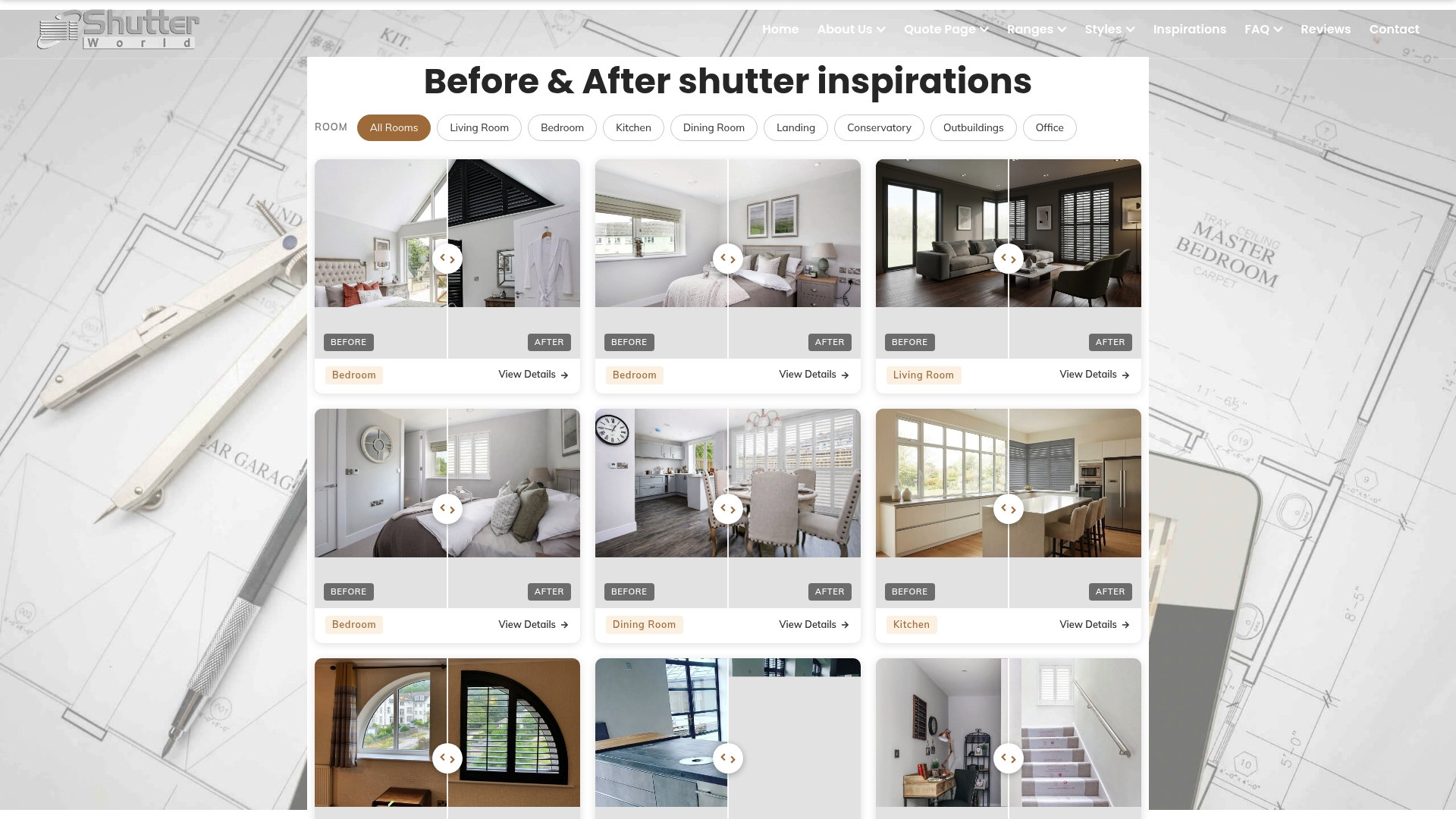
Whether your windows are standard casements or complex bay and arched frames, Shutterworld’s expert surveyors will measure, specify, and install shutters that fit your home perfectly. Explore the full range of plantation shutter options and request your free in-home consultation today. Every shutter is built to order, guaranteed for quality, and installed by experienced fitters who take pride in getting every detail right.
FAQ
What shutter style suits a modern suburban home best?
Flat panel and shaker profile shutters are the fastest growing choice for modern suburban homes in 2026, favoured for their clean lines and compatibility with contemporary architecture. Minimalist profiles with hidden tilt rods and large louvre blades deliver the strongest visual result on new-build and post-1980 properties.
What is the most popular shutter colour for suburban homes in 2026?
Black is the leading shutter colour for suburban homes in 2026, prized for the strong contrast it creates against brick, render, and timber cladding. Charcoal and deep navy are close alternatives that offer a slightly softer effect while maintaining the same high-impact framing of windows.
How do i pick the right louvre size for my shutters?
Louvre blades of 89mm and above are the standard for modern plantation shutters and create a more open, architectural appearance than smaller traditional louvres. Larger blades also allow more natural light into the room when the louvres are open, making them the preferred choice for living rooms and main bedrooms.
Should i choose wood or composite shutters for my home?
Composite shutters, typically MDF with a polypropylene coating, are the better choice for bathrooms, kitchens, and conservatories where moisture is a concern. Kiln-dried hardwood suits stable interior rooms and delivers a premium finish, while hybrid aluminium-clad wood is the most durable option for exposed exterior applications.
When should i opt for bespoke shutters over standard sizes?
Bespoke shutters are necessary for any window that falls outside standard rectangular proportions, including bay windows, arched frames, angled skylights, and bi-fold configurations. Off-the-shelf shutters will not fit these openings correctly, and a poor fit undermines both the appearance and the practical performance of the window treatment.