
The real benefits of conservatory shutters for UK homes

Benefits of conservatory shutters
TL;DR:
- Bespoke conservatory shutters can reduce heat loss by up to 33%, significantly improving energy efficiency. They also enhance privacy, light control, and add architectural elegance to any conservatory. Proper fitting and routine adjustment of shutters maximize these benefits, leading to warmer rooms and lower heating costs year-round.
Conservatories are one of the most loved features in British homes, yet they carry an unfair reputation for being cold in winter and sweltering in summer. What many homeowners don’t realise is that the right window treatment can change this completely. Bespoke conservatory shutters can reduce heat loss through glazed surfaces by up to 33%, according to research conducted at the University of Salford Energy House. That single figure reframes the entire conversation. This article walks you through the energy, privacy, and design advantages of conservatory shutters, with practical guidance on how to get the most from them every single day.
Table of Contents
- How conservatory shutters improve energy efficiency
- Beyond efficiency: Privacy, light control, and design benefits
- Maximising winter savings: The best daytime and evening behaviour
- Choosing bespoke conservatory shutters: What makes the difference?
- A hard-won perspective: Why reputable research matters over marketing claims
- Explore bespoke conservatory shutters for your home
- Frequently asked questions
Key Takeaways
| Point | Details |
|---|---|
| 33% heat loss reduction | Independent research shows conservatory shutters can cut window heat loss by up to a third. |
| Daily use maximises savings | Opening the shutters for solar gain and closing them at night enhances both warmth and efficiency. |
| Enhanced privacy and style | Bespoke shutters offer superior privacy and a tailored finish that complements conservatory décor. |
| Custom fit outperforms standard | Bespoke designs insulate, control light, and fit any conservatory window shape far better than generic blinds. |
How conservatory shutters improve energy efficiency
Having previewed that efficiency claim, let’s examine exactly how conservatory shutters achieve these impressive results.
Conservatories are essentially rooms wrapped in glass. That means they lose heat far faster than a standard brick-and-plaster room, particularly on cold winter nights when outdoor temperatures plummet. The solution isn’t to avoid using the space. It’s to control what happens at the glass itself.
When shutters are closed across conservatory windows and roof panels, they create a layer of still air between the shutter and the glazing. This trapped air acts as a thermal buffer, slowing the rate at which warmth escapes outward. The tighter the fit between the shutter and the window frame, the more effective this buffer becomes. Off-the-shelf blinds rarely achieve this kind of seal. Bespoke shutters, precisely engineered to your exact window dimensions, do.
The numbers are compelling. Research from the British Blind and Shutter Association (BBSA), carried out at the University of Salford Energy House, confirms that shutters reduce heat loss through windows by up to 33%. This is not a marketing figure. It is a measured result from a controlled laboratory environment designed to replicate real UK housing conditions.
“Closing shading can save heat in winter. The BBSA/University of Salford Energy House research confirms that window shading, including shutters, can reduce heat loss through windows by up to 33%.”
— British Blind and Shutter Association
To put that in context, consider the table below:
| Window type | Estimated heat loss without shading | Estimated heat loss with bespoke shutters |
|---|---|---|
| Single glazing | Very high | Reduced by up to 33% |
| Double glazing | Moderate | Reduced by up to 33% |
| Conservatory roof glazing | Very high | Significantly reduced with close-fit shutters |
The key variable is always fit. A shutter that sits loosely against a window frame allows warm air to circulate freely around it, undermining the insulating effect. Energy efficient shutters are engineered to minimise this gap, and that precision is what separates bespoke from budget.
Key benefits of conservatory shutters for energy efficiency:
- Reduced heat loss through glazed walls and roof panels
- Lower reliance on supplementary heating during winter
- Improved thermal comfort, making the space genuinely usable year-round
- Potential reduction in energy bills over the heating season
Understanding how shutters save energy in practice helps you make a genuinely informed investment rather than a decorative one. The shutter insulation benefits are real, measurable, and backed by independent science.
Pro Tip: If your conservatory has a glazed roof, ask your shutter specialist about overhead or roof-panel shutter options. Roof glazing accounts for a significant proportion of total heat loss, so addressing it alongside the walls delivers the greatest combined benefit.
Beyond efficiency: Privacy, light control, and design benefits
While energy efficiency is a clear advantage, conservatory shutters deliver several other benefits that directly impact your everyday enjoyment and sense of style.
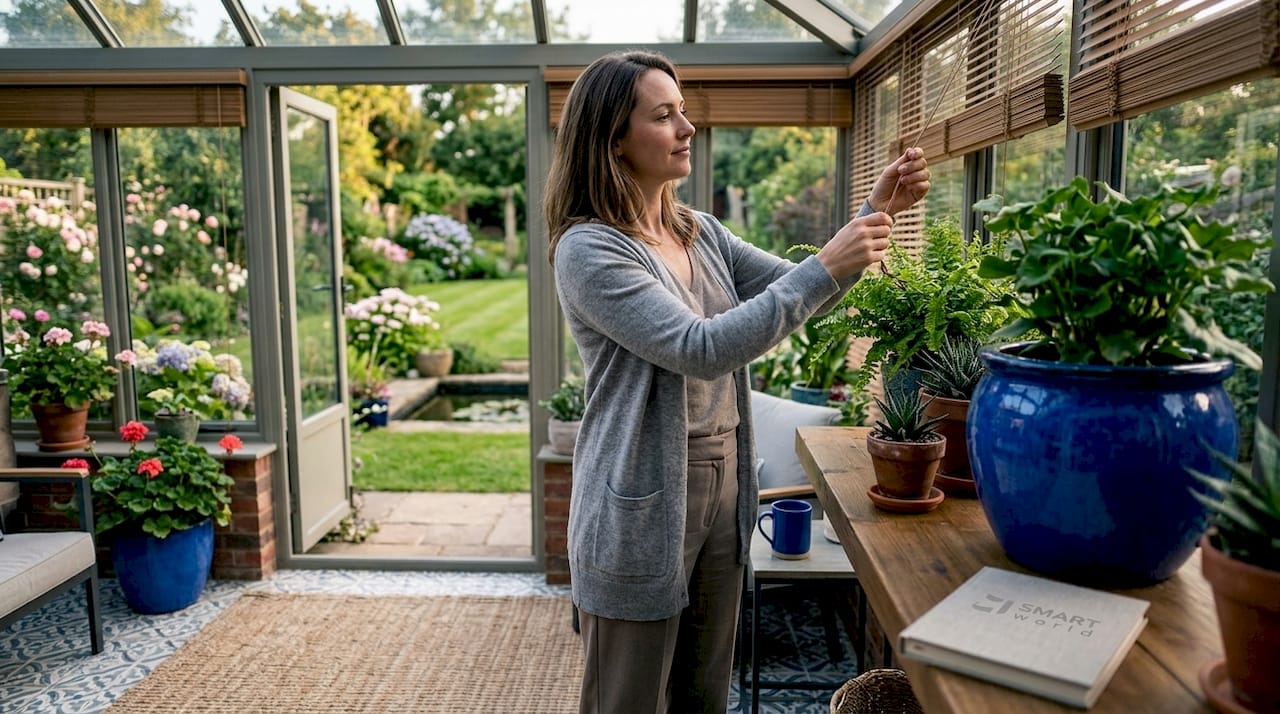
Privacy is a genuine concern in many conservatories. Because they are largely transparent, they can feel exposed, particularly in gardens that back onto neighbouring properties or public footpaths. Standard net curtains soften the view but block light and look dated. Bespoke shutters solve this elegantly. You can tilt the louvres (the adjustable horizontal slats) to allow natural light to flood in while completely obscuring the sightline from outside. This is a level of control that standard blinds simply cannot match.
Light management goes well beyond privacy. In summer, direct sunlight through conservatory glass creates intense glare that makes screens impossible to read and temperatures uncomfortable. Shutters let you redirect light upward toward the ceiling, softening it into a warm ambient glow without plunging the room into shadow. In winter, you can open them fully to maximise every hour of low winter sun. This degree of nuance is one of the key reasons why shutters are popular with homeowners who have tried every other window treatment first.
From a design perspective, shutters bring a timeless architectural quality that blinds and curtains simply cannot replicate. They become part of the room rather than an accessory hung within it. The choice of finishes, colours, and materials is extensive. Whether your conservatory has a classic Victorian aesthetic or a sleek contemporary frame, there is a shutter style to complement it precisely.
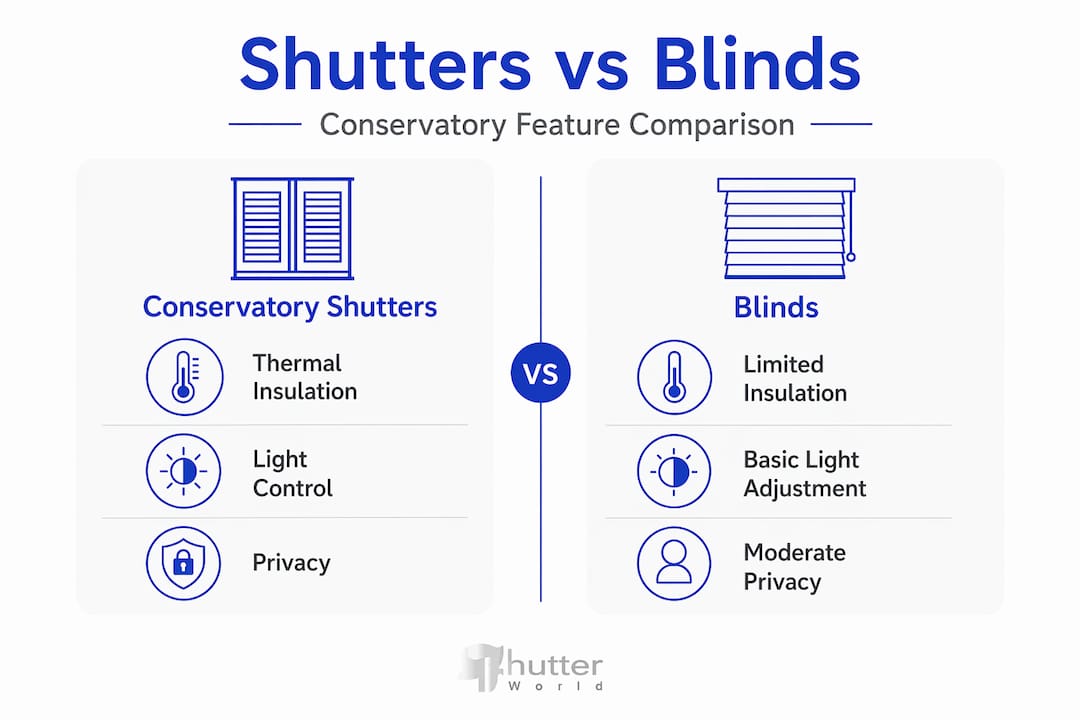
Shutters versus conventional blinds: a direct comparison
| Feature | Bespoke conservatory shutters | Standard roller or Venetian blinds |
|---|---|---|
| Thermal insulation | Excellent (up to 33% heat loss reduction) | Limited |
| Privacy control | Precise louvre adjustment | Basic (open or closed) |
| Light direction | Adjustable to redirect light | Fixed angle only |
| Durability | 20+ years with proper care | Typically 3 to 7 years |
| Aesthetic quality | Architectural, timeless | Functional, disposable |
| Fit for unusual shapes | Custom-engineered | Rarely available |
The home comfort with shutters that homeowners report is not simply about temperature. It is about creating a space that feels considered, finished, and genuinely pleasant to spend time in. According to a window treatment comfort guide, the right window covering significantly influences how comfortable and welcoming a room feels, affecting everything from acoustics to perceived warmth.
Pro Tip: When choosing a shutter colour for your conservatory, consider the frame colour of your glazing. Matching or complementing the frame creates a seamless, architectural look that feels intentional rather than added on.
Maximising winter savings: The best daytime and evening behaviour
To turn the science into real savings, it’s important to follow daily routines that make the most of what your conservatory shutters have to offer.
The single most effective habit you can build is a simple two-step daily routine: open your shutters during daylight hours to capture solar gain, then close them as the sun sets to retain that warmth. This sounds straightforward, but many homeowners either leave shutters closed throughout the day out of habit, or forget to close them in the evening when insulation matters most.
Solar gain refers to the heat that enters a room through glazing when sunlight strikes it. Even in winter, a south-facing conservatory can accumulate meaningful warmth on a clear day. If your shutters are closed, you block that free heat source entirely. Open them, and you allow the sun to do the work your boiler would otherwise have to do. Then, as BBSA research confirms, closing your shutters in the evening traps that accumulated warmth and slows heat loss through the glass overnight.
A recommended daily routine for winter energy savings:
- Open shutters fully at sunrise or when daylight begins, particularly on south and west-facing glazing
- Adjust louvres throughout the day to manage glare without fully blocking sunlight
- Close shutters completely at sunset, ensuring they sit as flush to the frame as possible
- Keep shutters closed overnight to maintain the insulating air layer
- On overcast days with no direct sun, keep shutters partially closed to retain any residual warmth
“Open shutters during sunny winter daytime for solar gain, close in the evening for insulation. This simple routine, supported by BBSA and University of Salford Energy House findings, is one of the most effective low-cost strategies for reducing conservatory heating costs.”
This routine outperforms a set-and-forget approach because it responds to actual conditions rather than a fixed schedule. A shutter left closed on a bright January afternoon wastes a genuine heating opportunity. One left open on a freezing night allows warmth to drain away through the glass unchecked.
For those who find daily adjustments impractical, motorised or automated shutter systems are worth considering. They can be programmed to open and close at set times, or linked to smart home systems that respond to light levels and temperature. Our shutters for energy savings guide covers automation options in detail for homeowners who want to combine convenience with performance.
Pro Tip: If your conservatory faces south or southwest, it will receive the most winter sun. Prioritise those elevations when deciding which shutters to invest in first, as the solar gain benefit will be greatest there.
Choosing bespoke conservatory shutters: What makes the difference?
Once you understand the practical benefits, choosing the right conservatory shutters becomes a question of value, quality, and performance.
The word “bespoke” is used freely in the home improvement industry, but its meaning matters enormously when it comes to shutters. A truly bespoke shutter is measured, designed, and manufactured specifically for your window. Every dimension, every angle, every curve is accounted for. This is not simply a cosmetic distinction. A precise fit is what delivers the insulating air layer that produces measurable energy savings. A shutter that doesn’t fit properly is, in thermal terms, not much better than no shutter at all.
When evaluating conservatory shutters, focus on these key features:
- Material quality: Hardwood shutters, such as those in our Montana range, offer superior longevity and a premium finish. MDF shutters with a polypropylene coating, such as our Seattle range, provide excellent durability in humid conservatory environments where moisture levels fluctuate.
- Frame fit: The shutter frame should sit within the window recess with minimal gaps. Ask your specialist how they handle the seal between the shutter frame and the window surround.
- Louvre size: Wider louvres (89mm or 114mm) allow more light and offer a more contemporary look. Narrower louvres (47mm or 63mm) suit traditional interiors and provide finer light control.
- Shape capability: If your conservatory has angled gables, arched windows, or a curved bay, confirm that your supplier can engineer shutters to those exact profiles. Not all can.
- Independent performance data: Ask whether energy savings claims are backed by independent research. The credible benchmark for UK homeowners is the BBSA/University of Salford figure of up to 33% heat loss reduction. Figures significantly higher than this are usually product-specific and not independently verified.
Our bespoke shutters guide walks through each of these considerations in detail, helping you ask the right questions before committing to any supplier.
Pro Tip: Always request a professional in-home survey before ordering. A skilled surveyor will identify measurement challenges, such as out-of-square frames or unusual reveal depths, that could affect fit and performance if missed.
A hard-won perspective: Why reputable research matters over marketing claims
Having reviewed the measurable and lifestyle benefits, let’s dispel some myths and consider what truly matters when evaluating conservatory shutter options.
We have spent over 25 years in this industry, and one pattern repeats itself constantly: homeowners arrive at consultations having seen extraordinary energy savings claims online, sometimes figures of 50%, 60%, or even higher. These numbers are not fabricated, exactly. They are often drawn from controlled tests on specific products under ideal conditions. But they are not representative of what a typical UK homeowner will experience in a real conservatory.
The most credible benchmark available is the BBSA/University of Salford Energy House research, which produced the 33% heat loss reduction figure under rigorously controlled conditions designed to reflect real UK housing. That figure is honest, meaningful, and achievable with a well-fitted bespoke shutter system. It is the number we stand behind.
Our advice is simple: when a supplier quotes an energy saving figure, ask them to trace it to a published, independent source. If they cannot, treat it with scepticism. The environmental impact of shutters is genuinely positive when you invest in quality and fit. But inflated claims do not serve you. They create unrealistic expectations and, ultimately, disappointment.
The 33% figure is not a consolation prize. For a conservatory that currently haemorrhages heat every winter night, a one-third reduction in window heat loss is transformative. It means a warmer room, a lower heating bill, and a space you can actually use rather than avoid from October to March.
Explore bespoke conservatory shutters for your home
If this article has helped clarify what conservatory shutters can genuinely offer, the natural next step is to see what a bespoke solution could look like in your own home.
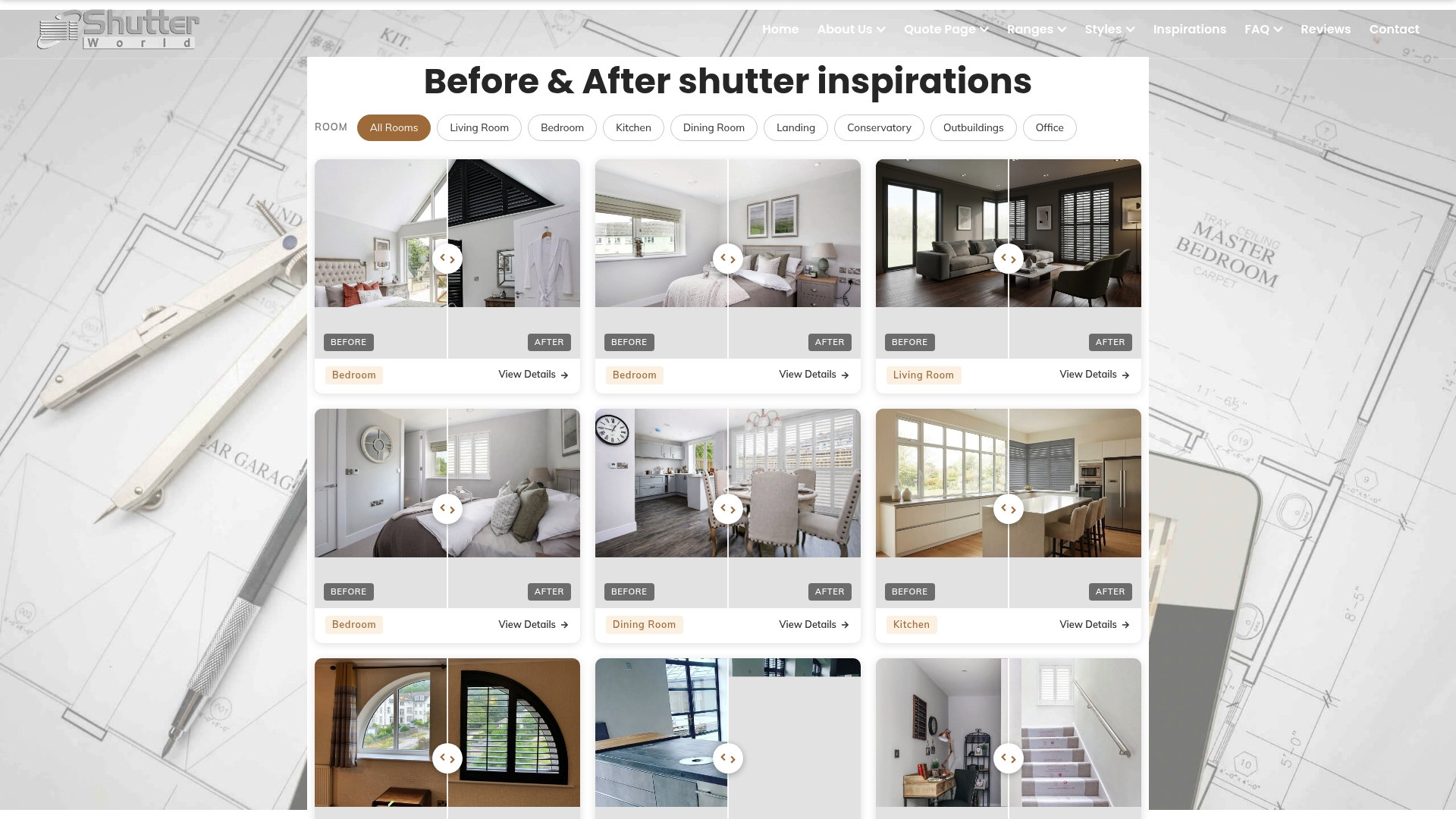
At Shutter World, we specialise in bespoke internal window shutters designed and fitted to your exact conservatory dimensions, including angled gables, curved bays, arched windows, and roof panels. Our team handles everything from the initial survey through to installation, with no surprises on cost and no compromise on quality. Explore the hidden benefits of bespoke shutters through our gallery of completed conservatory projects, or book a free in-home consultation with one of our specialists. Your conservatory deserves to be a room you love in every season.
Frequently asked questions
How much can conservatory shutters reduce heating bills in the UK?
Well-fitted bespoke shutters can cut heat loss from windows by up to 33%, according to BBSA and University of Salford Energy House research, which translates to meaningful reductions in heating costs across the colder months.
Do shutters make conservatories more private?
Yes. Bespoke shutter systems allow you to tilt the louvres to block external sightlines completely while still admitting natural light, offering far more precise privacy control than standard blinds provide.
What is the most effective routine for energy savings with conservatory shutters?
Open shutters during sunny periods to capture solar gain throughout the day, then close them fully at sunset to trap warmth and slow overnight heat loss through the glazing.
Can bespoke shutters be designed for unusual-shaped conservatory windows?
Yes. Bespoke shutters can be custom-engineered to virtually any shape, including angled gable ends, arched tops, curved bay sections, and roof panels that standard off-the-shelf products cannot accommodate.
Are claims of higher energy savings than 33% accurate?
The most credible UK benchmark is the BBSA/University of Salford figure of up to 33% heat loss reduction. Figures significantly above this are typically product-specific claims not supported by independent research, and should be treated with appropriate caution.