
Transform your space: Modern shutter trends in architecture

Shutter trends in architecture
TL;DR:
- Modern shutters are now widely used for architectural and non-standard windows in UK homes.
- Bespoke shutters enhance energy efficiency, durability, and aesthetic appeal for various window shapes.
- Technological advancements allow for smart, automated, and child-safe shutter solutions that improve comfort.
Transform your space: Modern shutter trends in architecture
Shutters have long been associated with period properties and traditional interiors, but that perception is rapidly changing across the UK. Today’s most architecturally distinctive homes are embracing contemporary shutter designs as a central element of interior style, not an afterthought. From sweeping bay windows in Victorian terraces to dramatic floor-to-ceiling glazing in new builds, modern shutters are being engineered to fit spaces that off-the-shelf blinds simply cannot serve. This guide walks you through the trends shaping 2026, the materials leading the market, and how bespoke solutions are delivering transformative results for homeowners with unique window shapes.
Table of Contents
- Understanding modern shutter trends in UK architecture
- Popular shutter materials and styles for unique spaces
- Energy efficiency and functional innovation in shutters
- Tailoring bespoke shutters for architectural windows
- What most homeowners miss about modern shutter trends
- Discover bespoke shutter solutions for your home
- Frequently asked questions
Key Takeaways
| Point | Details |
|---|---|
| Shutters suit all windows | Bespoke solutions can be tailored for any architectural window shape, boosting design and function. |
| Modern materials excel | Comparing hardwood, basswood, and composites helps homeowners pick the most practical and stylish options. |
| Boost energy efficiency | The right shutter systems reduce energy bills and improve home comfort all year round. |
| Smart integrations available | Latest shutters can integrate with home automation for hands-free light and privacy control. |
| Expert fit matters | Professional templating and installation ensure flawless results for even the most challenging windows. |
Understanding modern shutter trends in UK architecture
The resurgence of shutters in British homes is neither a passing fad nor a nostalgic revival. It reflects a genuine shift in how homeowners think about windows, treating them as architectural features worthy of thoughtful, tailored solutions rather than simply openings to be covered.
Several forces are driving this change. Energy costs remain a pressing concern for UK households, and the thermal properties of quality shutters have made them an attractive investment. Privacy is another major factor, particularly in urban settings where homes sit close together and street-facing windows offer little natural screening. Aesthetically, there has been a broad move away from fabric-heavy window treatments towards cleaner, more structured looks that complement contemporary and period interiors alike.
Perhaps the most significant driver, however, is the growing number of homes with architectural or non-standard windows. Modern extensions, loft conversions, and self-builds frequently feature angled skylights, triangular gable windows, arched frames, and unusually wide bay configurations. Standard roller blinds and ready-made curtains are simply inadequate for these spaces. As latest shutter trends confirm, contemporary shutters are increasingly sought for both aesthetic and practical benefits, especially for challenging window shapes.
Key factors fuelling demand for bespoke shutters across the UK include:
- Rising energy awareness: Homeowners are actively seeking solutions that reduce heat loss through glazing, particularly following successive increases in energy tariffs.
- Architectural diversity: New builds, extensions, and conversions are producing a far wider variety of window shapes than previous decades.
- Interior design influence: Social media and home renovation television programmes have raised awareness of what a well-dressed window can do for a room’s character.
- Longevity: Unlike fabric blinds that fade and fray, quality shutters maintain their appearance for decades, offering outstanding long-term value.
The contrast between traditional and modern shutter approaches is striking:
| Attribute | Traditional shutters | Modern bespoke shutters |
|---|---|---|
| Materials | Painted softwood | Hardwood, composite, MDF |
| Window suitability | Standard rectangular only | Arched, angled, bay, triangular |
| Finish options | Limited, typically white | Wide palette, custom stains |
| Functionality | Basic light block | Precise tilt, thermal, smart-ready |
| Installation | General joinery | Specialist bespoke fitting |
| Lifespan | 10 to 15 years | 25 years or more |
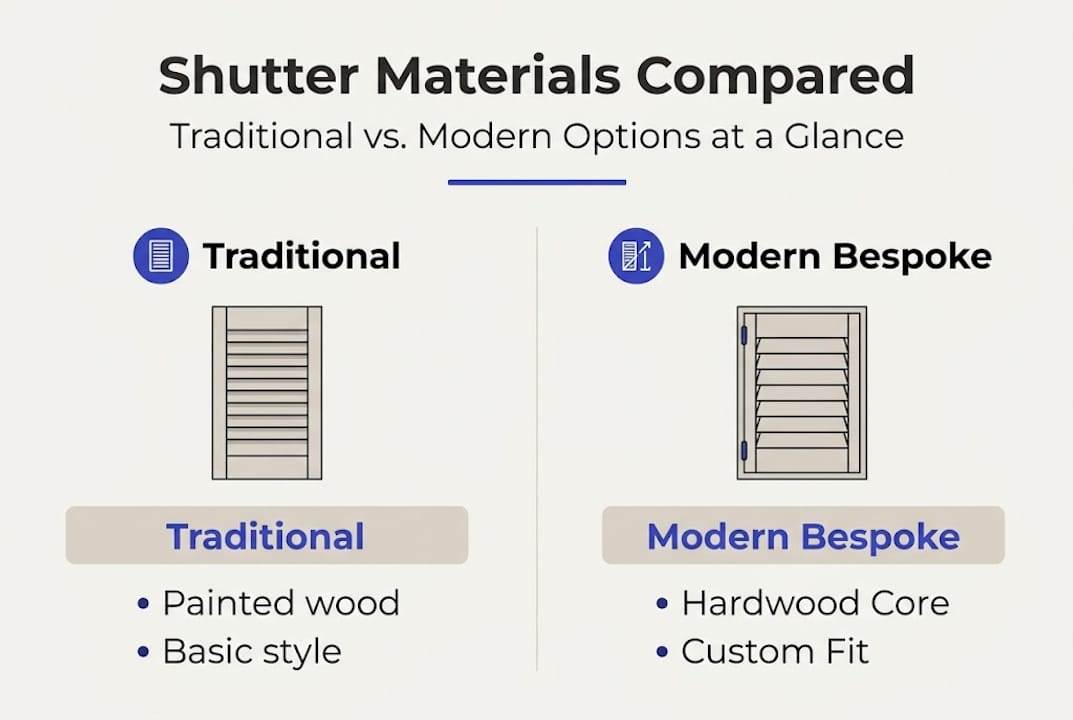
The data tells a clear story. Bespoke shutters are no longer a luxury reserved for grand homes. They are considered a practical investment for any homeowner who values precision, longevity, and genuine design impact.
Popular shutter materials and styles for unique spaces
Once you understand why contemporary shutters have earned their place in modern architectural design, the next step is identifying which materials and styles are best suited to your specific windows and lifestyle.
Hardwood remains the prestige choice for living rooms, hallways, and bedrooms. Species such as basswood are prized for their fine, straight grain, lightweight feel, and excellent paint adhesion, producing crisp, sharp louvres that hold their shape over time. Our Montana range exemplifies this standard, delivering a finish that feels genuinely luxurious and stands the test of time in even the most design-conscious interiors.
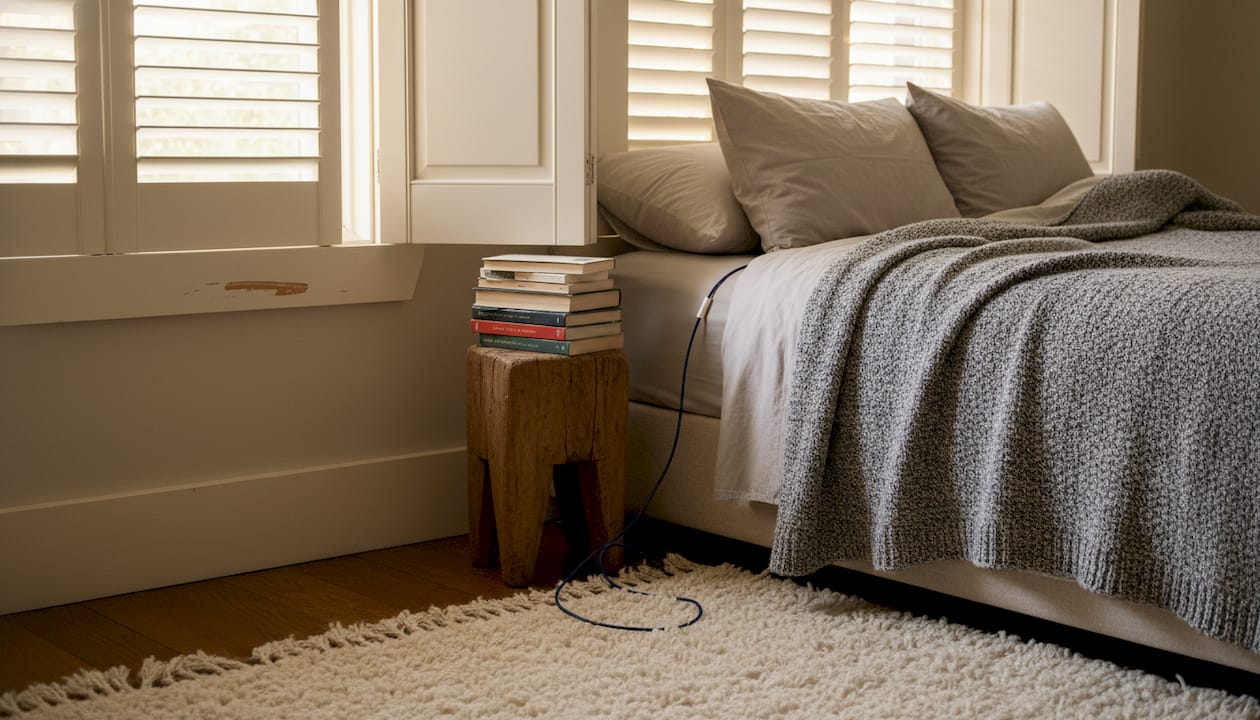
Composite shutters have become the dominant choice for kitchens and bathrooms. Constructed from a rigid core wrapped in a moisture-resistant shell, they resist warping, swelling, and discolouration in humid environments where natural timber would struggle. They are also a practical option for conservatories, where temperature fluctuations can be extreme.
MDF shutters with a polypropylene coating, such as those in our Seattle range, offer an excellent entry-level solution. They are impact-resistant, easy to clean, and ideal for families with young children or pets. They deliver the visual appeal of painted timber at a more accessible price point, without sacrificing durability.
Bespoke shutter options are available in a range of materials and styles to suit both practical needs and unique architectural features, meaning you are never forced to compromise between form and function.
The three most popular shutter styles for UK homes in 2026 are:
- Plantation shutters: Wide louvres (typically 63mm to 89mm) that offer superb light control and an elegant, open feel. They are the versatile workhorse of the shutter world, working beautifully in both period and contemporary settings.
- Full-height shutters: Panels that span the entire window from frame to sill, offering maximum privacy and a clean, architectural look. These work especially well with tall sash windows and floor-to-ceiling glazing.
- Café-style shutters: Covering only the lower half of the window, café shutters allow natural light to flood in from above while maintaining privacy at street level. They are particularly popular in Victorian and Edwardian terraced homes with large bay windows.
| Material | Durability | Relative cost | Best application |
|---|---|---|---|
| Hardwood (basswood) | Excellent | Premium | Living rooms, bedrooms |
| Composite | Very good | Mid-range | Kitchens, bathrooms, conservatories |
| MDF/polypropylene | Good | Entry-level | Family rooms, hallways |
Pro Tip: If your priority is light control and ambience, choose a louvre size that reflects how you use the room. Wider louvres (89mm) flood a room with light when open and create a dramatic, airy feel. Narrower louvres (47mm) offer finer adjustment and suit windows where you want more precise privacy control throughout the day.
Energy efficiency and functional innovation in shutters
Style and material choices matter enormously, but modern shutters also deliver a layer of functional performance that many homeowners underestimate until they experience it first-hand. The thermal and practical benefits are, in many cases, just as compelling as the visual transformation.
Energy-efficient shutters are increasingly preferred for their ability to regulate temperature and lower energy bills in UK homes. When shutters are closed, they create a layer of insulating air between the louvres and the glass, reducing heat transfer significantly. In winter, this helps retain warmth. In summer, angling the louvres deflects direct sunlight, keeping rooms cooler without blocking the light entirely.
Functional innovations now available in contemporary shutters include:
- Thermal regulation: Precision-engineered louvre seals that reduce draughts and heat loss, contributing meaningfully to lower heating costs year-round.
- Flexible light control: The ability to tilt louvres to any angle allows you to manage glare, direct natural light onto specific surfaces, and protect furnishings from UV fading.
- Privacy without sacrifice: Unlike net curtains or frosted film, shutters can be adjusted to block sightlines from the street while still allowing natural light and ventilation.
- Motorisation and automation: Smart-ready shutters can be operated via remote control, integrated with voice assistants such as Amazon Alexa or Google Home, and programmed to open or close on a schedule.
- Child-safe and pet-safe design: Cordless operation eliminates the hazards associated with blind cords, and sturdy louvre construction withstands the curiosity of young children and pets without warping or breaking.
“Investing in energy-saving interior shutters can reduce heat loss through windows by a meaningful margin, contributing to lower energy bills across every season.”
Smart home shutters are a genuinely exciting development for homeowners who want their window coverings to work as part of a connected home ecosystem. Automated shutters can be timed to open gradually in the morning, mirroring a natural sunrise to improve your sleep quality. They can close automatically when a room reaches a set temperature, maintaining comfort without any manual intervention.
Pro Tip: For maximum energy savings, prioritise shutters on north and east-facing windows, which lose the most heat during winter months. Combined with a tight-fitting frame and quality seals, shutters on these elevations can deliver a noticeable reduction in your heating bill within the first winter.
Tailoring bespoke shutters for architectural windows
For homeowners with non-standard windows, the bespoke process is not simply a premium upgrade. It is the only route to a result that is genuinely flawless. Off-the-shelf shutters are engineered for rectangular openings with standard frame depths. The moment your window deviates from that template, the problems begin.
Common issues with off-the-shelf shutters on non-standard windows include light gaps around irregular edges, frames that cannot accommodate varying sill depths, and panels that bow or twist because they were not cut for the specific angles involved. For a home with arched, triangular, or bay windows, a poor fit is immediately obvious and deeply unsatisfying.
Custom-made shutters provide a seamless fit for round, angled, and bay windows, offering both style and improved insulation. The difference in outcome between a bespoke solution and a modified standard product is considerable.
The key stages in commissioning bespoke shutters for architectural windows are:
- Initial consultation: A specialist visits your home to discuss your requirements, assess the windows, and explore design options. This conversation shapes every decision that follows.
- Professional templating: For unusual shapes, a physical template is often created to capture the precise geometry of the opening. This is particularly important for arched and angled windows where digital measurements alone may not be sufficient.
- Design and specification: Louvre size, material, finish, frame depth, and operating mechanism are all specified in detail. Your fitter will flag any practical considerations at this stage.
- Manufacturing: Your shutters are crafted to the exact specifications agreed. For complex shapes, this may involve specialist joinery techniques that simply cannot be replicated off the shelf.
- Professional installation: Experienced fitters install and adjust each panel, checking alignment, louvre operation, and frame integrity before completing the job.
Typical challenges for architectural windows, and how we address them, include:
- Steep angles: Angled window shutter solutions use shaped frames that follow the roofline or ceiling, eliminating unsightly gaps.
- Varying sill depths: Custom frame profiles accommodate windows where the sill depth changes across the width of the opening.
- Bay configurations: Shutters for bay windows are engineered as a coordinated set, with panels that open independently or together depending on your preference.
- Frame obstructions: Handles, restrictor cables, and trickle vents are all accounted for in the design so that shutters operate smoothly without impediment.
Pro Tip: When briefing a shutter specialist about an unusual window, photograph it from multiple angles and note the dimensions of any protrusions such as handles or vents. The more detail you share at the outset, the more accurately your shutters can be designed from the very beginning.
What most homeowners miss about modern shutter trends
Most conversations about shutters focus on style and cost. Those are important, of course, but in our experience of over 25 years in the industry, the factors that matter most to homeowners after installation are rarely the ones they prioritised before it.
The biggest overlooked value in modern shutters is year-round comfort. Rooms that previously felt too bright in summer and too draughty in winter become genuinely pleasant spaces once quality shutters are fitted. That daily improvement in how a room feels is difficult to quantify but immediately noticed.
There is also a persistent misconception that following shutter trends means choosing whatever looks fashionable right now. The wiser approach, and the one we always recommend, is to align your choices with timeless function first. A plantation shutter in a classic white painted hardwood will not look dated in ten years. A novelty finish chosen purely for trend appeal might.
Most regret we hear from homeowners relates not to the style they chose, but to the precision of the installation or the usability of the product day to day. Understanding what makes shutters bespoke is essential before committing to any supplier. General window fitters lack the specialist knowledge to template, manufacture, and install shutters for complex shapes. Always consult a dedicated shutter expert.
Discover bespoke shutter solutions for your home
Inspired to update your windows? Taking the first step towards a made-to-measure transformation is simpler than you might expect. Our bespoke shutter specialists are ready to visit your home, assess your windows, and guide you through every design decision with no pressure and no obligation.
Whether you are drawn to the timeless appeal of plantation shutter options or need precision-engineered angled shutters for unique windows, Shutter World has the expertise and craftsmanship to deliver a result you will appreciate every single day. Book your free in-home survey today and discover what a difference genuinely bespoke shutters can make to your home.
Frequently asked questions
What are the most popular shutter styles for modern architectural windows?
Plantation, full-height, and café-style shutters are the go-to choices for contemporary and bespoke UK homes, offering versatility across both traditional and modern architectural settings.
Can shutters reduce energy bills in the UK?
Yes, energy-efficient shutters help regulate home temperature and lower energy bills by minimising heat loss through windows, particularly on north and east-facing elevations during winter.
Are made-to-measure shutters worth the investment for unusual window shapes?
Custom-made shutters offer the best fit and finish for round, angled, or bay windows, often increasing both daily comfort and the aesthetic value of the property significantly.
What technology integrations are possible with current shutter trends?
Smart controls, remote operation, and automated scheduling are increasingly integrated into contemporary smart home shutter systems, making it straightforward to manage light and privacy as part of a connected home.
How should I choose the right material for my shutters?
Consider durability, location (wet or dry), and insulation needs. Composite shutters suit wet areas such as kitchens and bathrooms, while hardwoods add timeless appeal and premium warmth to living spaces and bedrooms.