
Role of Design in Shutters: Enhancing Home Style

Role of design in shutters
Struggling to find window treatments that truly fit the unique character of your West Yorkshire home? Many properties in West Yorkshire feature challenging window shapes and fluctuating weather, making it tough to balance style with practical needs. Bespoke interior shutters offer a tailored solution, transforming your complex windows into standout features while improving thermal insulation and enhancing your home’s visual charm. Discover how thoughtful shutter design can create a comfortable, stylish living space that is perfectly suited to Yorkshire’s distinctive homes.
Table of Contents
- What Is Design in Shutters? Core Concepts
- Shutter Types and Their Visual Impact
- Key Design Features: Materials and Colours
- Integrating Shutters with Home Architecture
- Practical Benefits Beyond Aesthetics
Key Takeaways
| Point | Details |
|---|---|
| Understanding Shutter Design | Shutter design is about blending form, function, and practicality, tailored to your home’s architecture and lifestyle. Selecting materials, louver configurations, and operational styles is crucial for effective light control and aesthetic integration. |
| Types of Shutters and Their Impact | Different shutter styles impact both the visual appeal and character of a room. Choices like plantation and tier-on-tier shutters should align with the overall décor to enhance your home’s atmosphere. |
| Material and Colour Considerations | The choice of materials and colours fundamentally affects the durability and aesthetic of shutters. Consider natural light and existing decor when making these selections to ensure harmony within your space. |
| Practical Benefits of Shutters | Beyond aesthetics, quality shutters offer significant benefits like light control, privacy, thermal insulation, and noise reduction, enhancing overall comfort and efficiency in your home. |
What Is Design in Shutters? Core Concepts
Shutter design encompasses far more than picking a colour and frame style. It’s about understanding how shutters function, look, and integrate with your home’s architecture and lifestyle. When you talk about design in shutters, you’re really discussing the intersection of form, function, and practicality.
At its core, shutter design involves creating stable coverings that control light, provide privacy, enhance aesthetics, and remain operationally sound. Unlike mass-produced window dressing, bespoke shutters are engineered to your specific windows and home character.
Design in shutters revolves around several foundational elements:
- Material selection – choosing between sustainable hardwoods, durable MDF composites, or weather-resistant options based on your room’s purpose and climate
- Louver configuration – deciding on angle, width, and closure type to balance light control with visual appeal
- Frame structure – determining how vertical stiles and horizontal rails support the shutter’s operation and longevity
- Operational mechanics – selecting tier-on-tier, bi-fold, or fixed styles to match how you actually use your windows
- Aesthetic integration – ensuring shutters complement your décor, architectural period, and personal style preferences
Good shutter design isn’t arbitrary. It reflects context, local character, and how you live day-to-day. Design in architecture combines planning with sustainability and the overall harmony of your space. Your shutters should feel like they belong to your home, not attached as an afterthought.
When you’re planning shutters for tricky windows—angled dormers, bay windows, or conservatory spaces—design becomes even more critical. The shutter must respect your window’s unique geometry whilst delivering the light control and privacy you need.
Think of shutter design as a dialogue between your home’s architecture and your daily habits. The best designs solve both conversations at once.
Understanding these core concepts helps you make informed decisions when working with specialists who can incorporate shutters thoughtfully into your home’s design. Rather than settling for generic solutions, you’ll recognise what makes a shutter genuinely well-designed for your space.
Pro tip: When discussing your shutter needs, describe how you actually use each room—morning light preferences, privacy concerns, seasonal temperature fluctuations—rather than focusing only on colour options. This guides design choices that enhance both functionality and style.
Shutter Types and Their Visual Impact
Different shutter types create remarkably different visual effects in your home. The style you choose doesn’t just affect how your room looks—it shapes the entire character and atmosphere of the space. Understanding how each type influences visual impact helps you make choices that genuinely enhance your home.
Plantation shutters deliver a clean, contemporary aesthetic with wide louvers that create horizontal lines and visual openness. They suit modern interiors and homes where you want shutters to become a design feature rather than fade into the background.
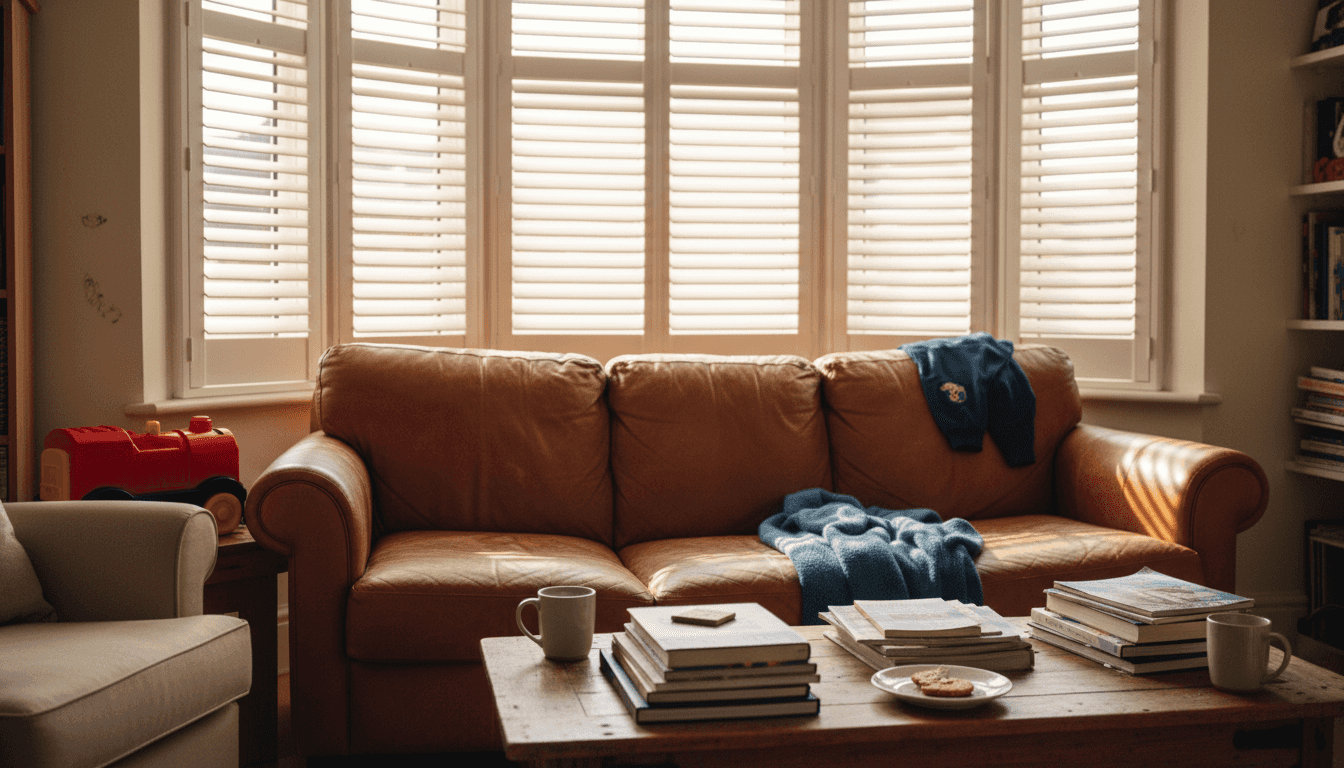
Tier-on-tier shutters offer versatility by dividing the window into upper and lower sections that operate independently. This creates visual interest whilst allowing flexible light control—you can close the lower panel for privacy and keep the upper open for natural light.
Café-style shutters cover only the lower half of your window, maintaining a charming, relaxed appearance. They work beautifully in kitchens and bathrooms where you want privacy at eye level but light from above.
Visual impact extends beyond these core types:
- Solid panel shutters – create a formal, traditional look with clean planes and minimal detail
- Louvred shutters – add depth and shadow play through adjustable slats that control light dynamically
- Bi-fold shutters – stack neatly when open, maximising the window opening and creating a contemporary statement
- Fixed shutters – add architectural character without operational complexity, ideal for accent windows
When assessing how shutters affect your home’s visual appeal, visual impact considers context, proportion, and how the design sits within your existing décor. A tier-on-tier style that looks perfect in a Georgian property might feel out of place in a contemporary open-plan home.
Your shutter choice becomes part of your home’s visual language—it should speak the same architectural dialect as the rest of your space.
Colour plays a crucial role too. White or cream shutters create lightness and work with almost any décor scheme. Painted shutters in deeper tones add drama and sophistication. The colour you choose influences how light reflects into your room and how shutters blend or contrast with walls and furniture.
For West Yorkshire homes with non-standard windows—bay windows, dormers, or unusual angles—selecting the right shutter type becomes even more critical. The style must respect your window’s geometry whilst delivering the visual cohesion you’re after. Understanding different shutter styles helps you visualise exactly how each type would transform your specific spaces.
Pro tip: Take photographs of your rooms in different light conditions and sketch shutter options onto them, or ask specialists to show you sample installations in similar properties. This reveals how each style actually looks in your home before committing.
Here’s a quick reference comparing popular shutter types and their typical use cases in British homes:
| Shutter Type | Visual Impact | Ideal Settings | Typical Advantages |
|---|---|---|---|
| Plantation | Contemporary, bright | Open-plan spaces, modern homes | Wide louvers, light control, statement feature |
| Tier-on-tier | Elegant, versatile | Period properties, street-facing rooms | Flexible privacy, adjustable light levels |
| Café-style | Relaxed, charming | Kitchens, bathrooms, ground-floor windows | Privacy at eye level, upper light access |
| Solid panel | Formal, traditional | Heritage homes, bedrooms | Maximum insulation, blackout, classic look |
| Bi-fold | Modern, space-saving | Compact rooms, bay windows | Opens fully, maximises window access |
| Fixed | Architectural, static | Accent windows, exterior features | Adds character, minimal operation required |
Key Design Features: Materials and Colours
Material and colour choices define how your shutters look, perform, and age in your home. These two elements work together to create the visual impact that transforms a room from ordinary to exceptional. Getting them right means your shutters will feel perfectly integrated for years to come.
Material selection fundamentally shapes durability and appearance. Premium hardwoods like oak or walnut offer natural beauty and longevity but require occasional maintenance. MDF with extruded polypropylene coating delivers excellent value, resisting moisture and temperature fluctuations whilst maintaining a clean finish. Synthetic materials excel in kitchens and bathrooms where humidity demands resilience.
Each material carries distinct aesthetic qualities:
- Solid hardwood – natural grain patterns and warmth, ideal for period properties and traditional interiors
- MDF composites – smooth, paintable surfaces that accept colour beautifully with minimal maintenance
- Synthetic options – modern appearance, superior moisture resistance, perfect for contemporary homes
- Mixed materials – combining frame styles for visual interest and functional benefits
Colour choices drive the entire mood of your space. White or cream shutters create brightness and work harmoniously with almost any décor scheme. Soft greys offer contemporary sophistication. Deeper tones like charcoal or navy add drama and anchor a room’s design narrative.
Colour selection impacts both aesthetic appeal and functionality, affecting how light reflects into your room and how shutters sit within your existing décor. A pale colour bounces light around a darker room, whilst bold colours make strong architectural statements in well-lit spaces.
Consider your room’s natural light, wall colours, and furniture tones before deciding. Interior shutters can be painted or stained to match virtually any palette, giving you tremendous creative freedom.
The right material and colour combination feels inevitable once you see it in your space—like the shutters were always meant to be there.
For West Yorkshire homes, practical considerations matter too. Coastal or industrial areas benefit from moisture-resistant materials. Period properties look most authentic with materials that respect their era—hardwood for Georgian homes, painted composites for Victorian terraces.
Your room’s function influences both choices. Kitchen and bathroom shutters need durable, easy-clean materials. Bedrooms can embrace delicate finishes and softer colours that enhance rest and privacy.
Pro tip: Request material samples and colour swatches to see them in your actual room lighting at different times of day. What looks perfect in the showroom under artificial light may surprise you in morning sunlight or evening ambience.
For clarity, here’s a summary of how material and colour choices influence shutter performance:
| Material Type | Durability | Suitable Rooms | Visual Effect |
|---|---|---|---|
| Hardwood (oak, walnut) | Long-lasting, needs care | Living rooms, period homes | Rich grain, warm texture |
| MDF Composite | Moisture resilient, low maintenance | Bedrooms, lounges | Smooth finish, easy to paint |
| Synthetic | Highly durable, waterproof | Kitchens, bathrooms | Sleek, modern appearance |
| Mixed Materials | Combines benefits | Custom installations | Varied textures, unique look |
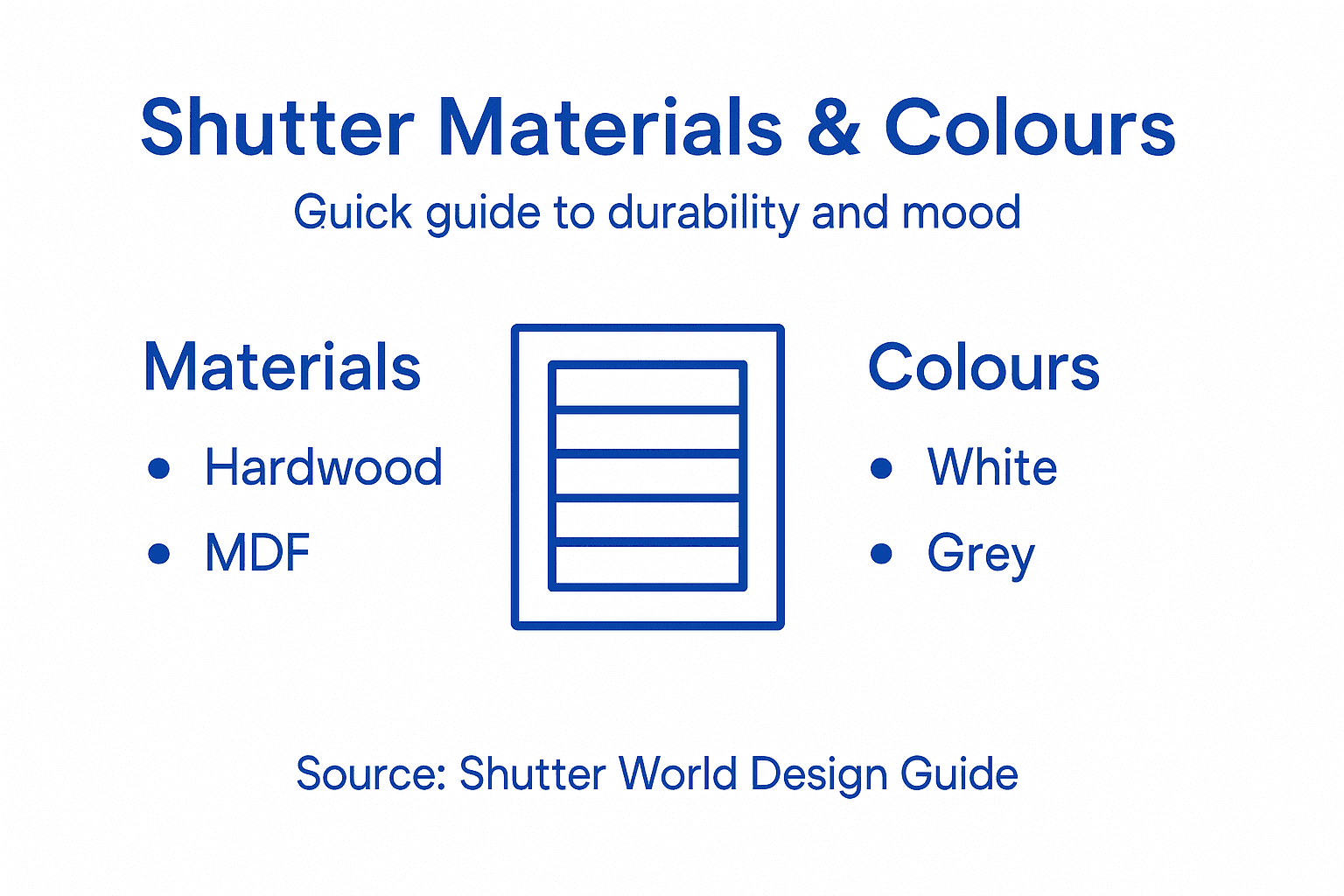
| Colour Choice | Light Reflection | Atmosphere Created | Design Integration |
|---|---|---|---|
| White/Cream | Maximises room brightness | Airy, open feel | Blends with most décor |
| Soft Grey | Subtle, refined | Contemporary calm | Modern style accent |
| Deep Tones | Lower light, dramatic | Cosy, stylish | Bold statement, contrasts |
Integrating Shutters with Home Architecture
Shutters only truly shine when they complement your home’s architectural character rather than clash with it. Integration means thinking beyond individual windows—it’s about how shutters sit within your home’s overall design language, period, and proportions. Get this right, and shutters disappear into your space as if they always belonged there.
Your home’s architectural style dictates which shutters are compatible. Georgian properties suit symmetrical, formal shutters with clean lines. Victorian terraces work beautifully with panelled or louvred styles that respect their era’s craftsmanship. Contemporary homes benefit from sleek plantation or bi-fold shutters that enhance minimalist lines.
Period-appropriate design matters more than you might think. Installing ultra-modern shutters in a period property can feel jarring and reduce authenticity. Conversely, traditional shutters in a contemporary space may look out of place. The best shutters respect your home’s architectural narrative.
Consider these integration factors:
- Window proportions – shutters should align with your window’s height, width, and placement on the wall
- Frame and trim details – match shutter frame styles to existing mouldings and architectural details
- Wall colour and texture – ensure shutters harmonise with the surrounding décor rather than competing for attention
- Room scale – larger rooms accommodate bolder shutter statements; smaller spaces benefit from subtle, recessive finishes
- Natural light patterns – position shutters to enhance how daylight flows through your home
West Yorkshire homes—from Victorian stone terraces to period farmhouses and contemporary conversions—each have distinct architectural identities. Contextual design responds to geographical and historical settings, meaning your shutters should respect what makes your property unique, whether that’s original features, building materials, or neighbourhood character.
Shutters can be designed to complement interior and exterior architecture through careful selection of style, material, and installation method. Some shutters sit within window openings for a streamlined look, whilst others overlap frames for a bolder statement.
The perfect shutter integration feels inevitable—like your home was always meant to have shutters in exactly that style.
Bay windows, dormers, and unusual architectural features shouldn’t pose problems—they’re opportunities to showcase how thoughtfully designed shutters enhance character. A sloped dormer window with custom-fitted shutters becomes an architectural asset rather than an awkward space.
Pro tip: Photograph your home’s key features and research similar properties’ shutters online, or ask specialists to show examples in comparable period homes. This visual reference clarifies which styles genuinely suit your architecture versus which would feel forced.
Practical Benefits Beyond Aesthetics
Shutters do far more than look beautiful. They deliver real, tangible benefits that enhance your home’s comfort, efficiency, and protection. When you invest in quality shutters, you’re investing in functionality that compounds year after year.
Light control tops the practical benefits list. Shutters let you manage natural light with precision—closing them completely for blackout conditions, adjusting louvres to filter harsh afternoon sun, or opening fully to flood rooms with brightness. Unlike curtains that billow and block views, shutters give you exact control without sacrificing the window itself.
Privacy and security work hand-in-hand. Closed shutters prevent people from peering into your home at night whilst creating the visual impression that someone’s home. This psychological deterrent matters more than people realise. Shutters also physically strengthen your windows against attempted break-ins.
Thermal insulation significantly reduces heating and cooling costs. Closed shutters create an air barrier that keeps warm air inside during winter and blocks summer heat before it enters your rooms. West Yorkshire’s variable climate makes this benefit particularly valuable—shutters genuinely reduce energy bills over time.
Practical benefits extend further:
- Sound dampening – shutters reduce external noise from traffic and neighbours
- Dust and allergen control – closed shutters keep airborne particles out during high pollen seasons
- Window protection – shutters prevent glass breakage and reduce wind pressure during severe weather
- Child safety – shutters eliminate dangling cords that pose hazards to young children
- Property value – quality shutters enhance resale appeal and buyer perception
For homeowners with young children, elderly relatives, or those sensitive to light and temperature changes, these practical benefits become genuinely life-changing. Someone managing migraines finds complete light control invaluable. Parents of infants appreciate blackout capabilities for daytime naps. Pensioners benefit from improved insulation, reducing heating costs.
Good shutters work silently in the background, solving problems you didn’t realise you had until you experience them.
Unlike temporary window coverings that wear out and need replacement, quality shutters last for decades and improve with age. Your initial investment pays dividends in reduced maintenance costs compared to fabric blinds or curtains that require regular cleaning.
Pro tip: When discussing shutters with specialists, mention specific comfort challenges you face—temperature fluctuations, light sensitivity, noise concerns—so they can recommend configurations that address your practical needs whilst delivering the aesthetic you want.
Elevate Your Home with Bespoke Shutter Design from Shutter World
The article highlights the importance of thoughtful shutter design to enhance your home’s style, light control, and privacy. If you face challenges such as non-standard windows, complex architectural features, or simply want shutters that combine style, functionality, and insulation, Shutter World offers the perfect solution tailored to your needs. From understanding the nuances of materials and colours to integrating shutters seamlessly with your home’s architecture, we specialise in delivering made-to-measure shutters that truly belong in your space.
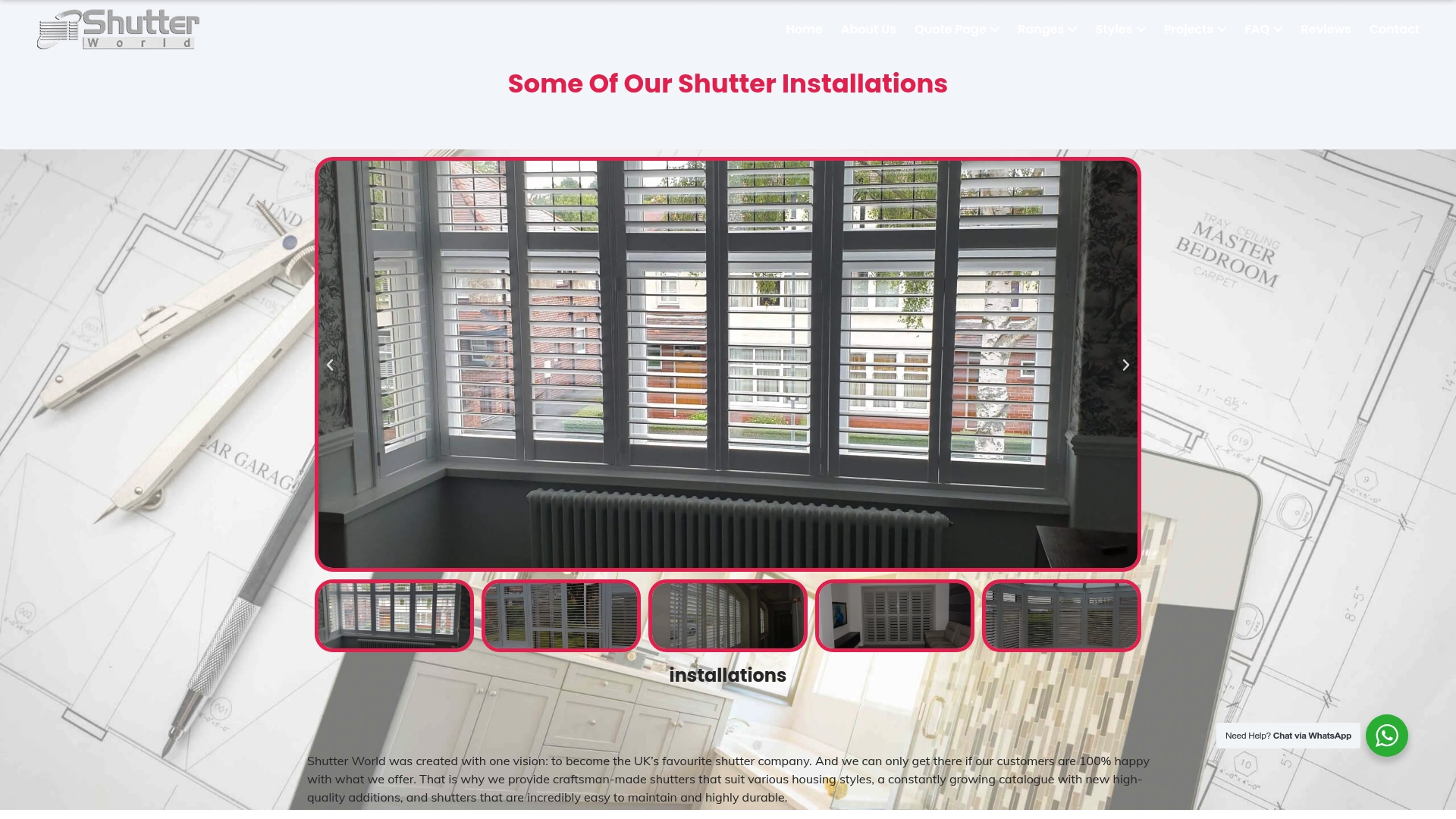
Discover how our expert team in West Yorkshire can transform your interiors with premium bespoke shutters that solve practical problems while boosting aesthetic appeal. With over 25 years of experience, we provide a hassle-free service starting from a professional in-home survey to expert installation. Take the first step towards your perfect shutters by visiting Shutter World installations. Explore our range and see how custom shutters can enhance your home’s comfort, privacy, and value today.
Frequently Asked Questions
What are the key features of shutter design?
Shutter design includes factors like material selection, louvre configuration, frame structure, operational mechanics, and aesthetic integration to enhance a home’s functionality and style.
How do different shutter types affect the visual impact of a room?
Each shutter type, such as plantation, tier-on-tier, or café-style, creates a distinct aesthetic. The choice affects the room’s character, light control, and overall atmosphere.
What materials are commonly used in shutter design, and how do they differ?
Common materials include solid hardwood, MDF composites, and synthetic options. Hardwood offers natural beauty, MDF is moisture-resistant, and synthetic materials are ideal for high-humidity areas like kitchens and bathrooms.
How do shutters contribute to energy efficiency in homes?
Shutters provide thermal insulation by creating an air barrier, keeping warm air inside during winter and blocking heat in summer, which can significantly reduce heating and cooling costs.
Recommended
- The Essential Guide to How Shutters Enhance Home Decor | Shutter World
- How shutters affect home decor and transform ambience
- Absolutely How to Incorporate Shutters in Design for UK Homes
- 7 Essential Tips for Using Shutters in Interior Design | Shutter World
- 8 Smart Home Organization Ideas for Better Living – Onyx Removals